
featured News Trending

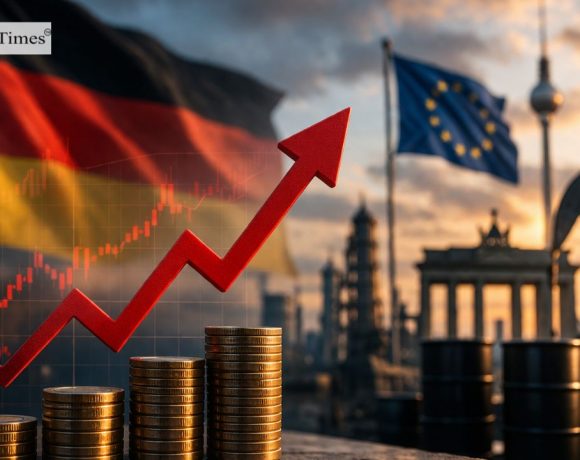
Inflation increased to at least 2.5% across four German states in March, driven largely by rising energy prices linked to the ongoing U.S.-Israeli conflict with Iran. In North Rhine-Westphalia, Germany’s most populous state, annual inflation climbed to 2.7% from 1.8% in February. Similar increases were recorded in Bavaria, Baden-Wuerttemberg and Lower Saxony, signalling a likely nationwide rise in inflation figures expected later in the day.

Economists surveyed by Reuters predict Germany’s harmonised inflation rate will reach 2.8% in March, up from 2.0% the previous month. Analysts warn that while energy costs are currently the main driver, broader price increases may follow. Berenberg Bank chief economist Holger Schmieding said higher transport costs and potential fertiliser shortages could push food prices higher, with inflation possibly exceeding 3% if the conflict continues.

A survey by the Ifo institute showed German companies increasingly expect to raise prices due to rising production and transport expenses. The data comes ahead of eurozone inflation figures, with markets anticipating further monetary tightening by the European Central Bank. Investors now expect up to three interest rate hikes this year as policymakers respond to mounting inflation pressures.

Pic courtesy: google/ images are subject to copyright
featured News Trending

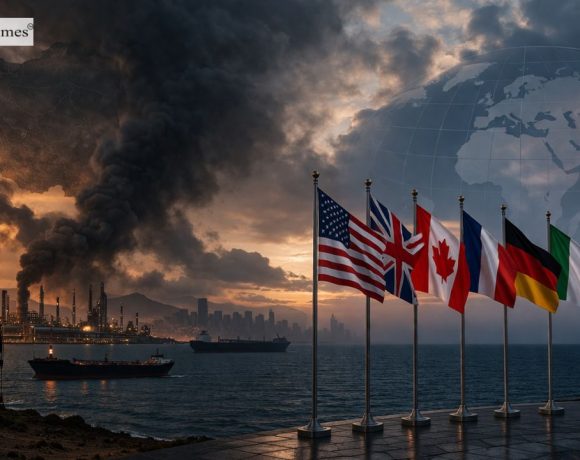
British Finance Minister Rachel Reeves will urge G7 counterparts to avoid unilateral trade measures while the Iran war continues, warning that such actions could threaten global energy security. Speaking at a meeting with finance and energy ministers, she stressed that collective action is crucial to maintain resilience and avoid shifting pressure onto partners.

Reeves emphasized that protectionism and new trade barriers could disrupt supply chains, raise costs, and exacerbate the economic fallout from the conflict. She called for cooperation to ensure the flow of energy and goods and to help reduce bills over time.

The ongoing war in Iran, initiated by the U.S. and Israel on February 28, has already caused thousands of casualties and triggered unprecedented disruptions to global energy markets, affecting economies worldwide.

Pic courtesy: google/ images are subject to copyright

featured News Trending

The International Monetary Fund’s upcoming growth forecasts are expected to show that the global economy remains resilient to trade disruptions, with overall performance still “fairly strong,” IMF Managing Director Kristalina Georgieva said in an interview with Reuters. Speaking during a visit to Kyiv, Georgieva indicated the IMF could slightly raise its projections again, following a recent upgrade by the World Bank.

In its October outlook, the IMF lifted its 2025 global growth forecast to 3.2%, citing a smaller-than-expected drag from U.S. tariffs, while keeping its 2026 estimate at 3.1%. Georgieva said the January update, due on January 19, would likely reinforce the message that trade shocks have not derailed global growth, even though risks remain tilted to the downside.

She cautioned that geopolitical tensions, rapid technological shifts and heavy investment in artificial intelligence pose potential threats if productivity gains fail to materialise. Georgieva also warned that many countries have not built sufficient financial buffers to handle future shocks, noting that the IMF is already running 50 lending programmes and may see demand rise if global conditions worsen.

Pic Courtesy: google/ images are subject to copyright
News Trending

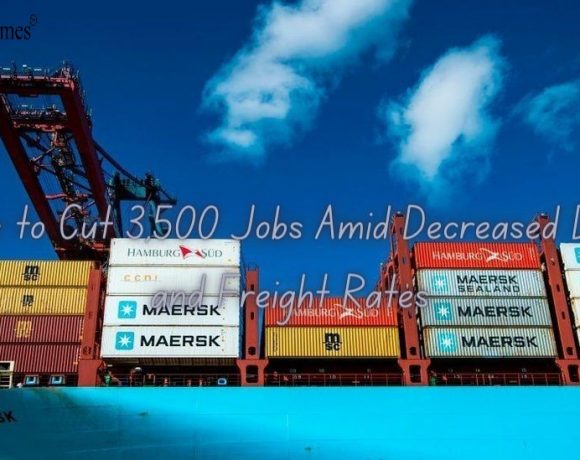
One of the world’s largest shipping companies, AP Moller-Maersk, has announced plans to cut an additional 3,500 jobs, following a previous reduction of 6,500 positions earlier in the year. The decision comes as a response to diminished demand and reduced freight rates. Maersk experienced a significant decline in profits, plummeting by 92% during the latest quarter.

The company highlighted the deteriorating prices for sea freight as the primary factor necessitating further job cuts. While the initial period of the COVID-19 pandemic saw a surge in demand and shipping costs, the situation has since shifted. The resurgence of inflation and the impact of increased interest rates have dampened consumer spending, leading to decreased demand for shipping services.

Maersk’s chief executive, Vincent Clerc, acknowledged the challenging circumstances, emphasizing the need for cost-saving measures in light of the current industry landscape. Despite the drastic staff reductions, the company aims to save approximately £600m next year.

The recent announcement will bring Maersk’s global workforce below 100,000, with 2,500 of the job cuts expected to take place in the coming months, and the remainder in 2024. The company has refrained from disclosing the specific locations or job roles that will be affected.

The market response to Maersk’s latest developments was negative, with shares in the group declining by 11.1% following the announcement. The company remains cautious about its revenue and profit expectations, anticipating that both figures will likely fall at the lower end of its estimations. Additionally, Maersk warned that global economic slowdown, financial risks, and geopolitical tensions, such as strained relations between China and the US, conflicts in Ukraine and the Middle East, could impede any anticipated improvements in the final quarter of this year and affect volumes in 2024.

Picture Courtesy: Google/images are subject to copyright