featured News Trending

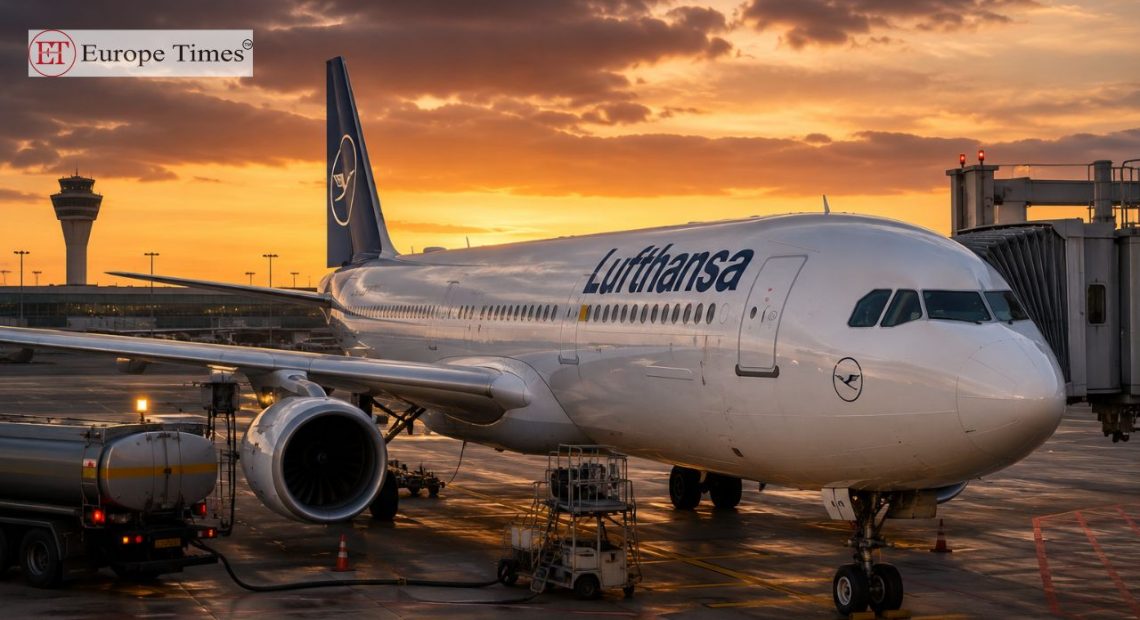
Global airlines are raising ticket prices and reducing flight capacity as soaring oil prices sharply increase operating costs, creating uncertainty for the industry’s profitability. The sudden spike in jet fuel prices, triggered by geopolitical tensions in the Middle East, has forced carriers to rethink pricing strategies and route planning, even as higher travel costs threaten to weaken consumer demand.

Before the conflict-driven fuel surge, airlines had projected record global profits of $41 billion in 2026. However, the doubling of jet fuel prices has disrupted those expectations, prompting airlines such as United Airlines, Air New Zealand, and SAS to introduce fare hikes, fuel surcharges, and capacity cuts. Analysts warn airlines face a difficult balance — raising fares to offset costs while potentially lowering prices later to stimulate demand if travelers cut back on spending.

Despite record passenger traffic in recent years, supply-chain issues and delayed aircraft deliveries limit airlines’ ability to reduce costs through fleet upgrades. Low-cost carriers may be hit hardest as price-sensitive travelers shift to cheaper transport alternatives. Experts say financially stronger airlines with solid balance sheets are better positioned to withstand the ongoing oil shock, while weaker carriers could face mounting financial pressure.

Pic courtesy: google/ images are subject to copyright

featured News Trending

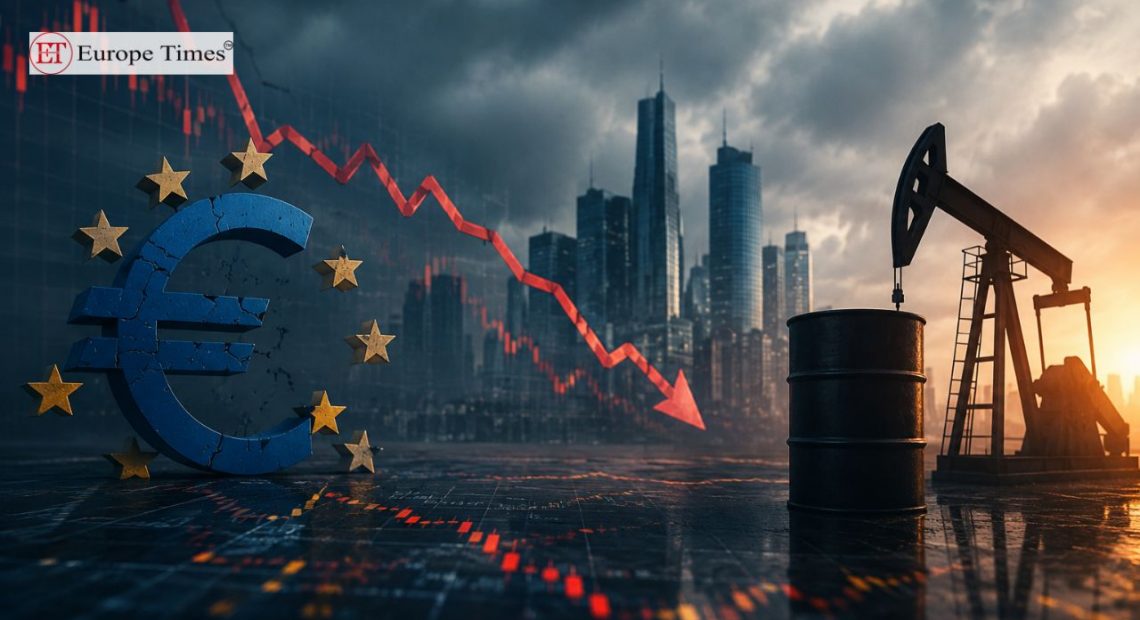
Austria’s lower house of parliament has approved draft legislation aimed at easing rising petrol costs, triggered by heightened tensions in the Gulf. Israeli and U.S. strikes on Iran, coupled with Iran’s threat to block shipping through the Strait of Hormuz, have pushed global oil prices higher, prompting the government to act.

The ruling three-party coalition plans to return extra revenue from higher fuel prices to consumers through tax cuts on petrol and diesel, alongside capping profit margins for refiners and petrol retailers. The government estimates these measures could initially lower fuel costs by around 10 euro cents per litre starting next month.

The opposition Greens supported the bill, giving the government the necessary two-thirds majority, but cautioned that the measures may be ineffective if retailers simply raise prices further. Greens leader Leonore Gewessler stressed that the government must improve the plans to genuinely bring fuel prices down.

Pic courtesy: google/ images are subject to copyright

featured News Trending

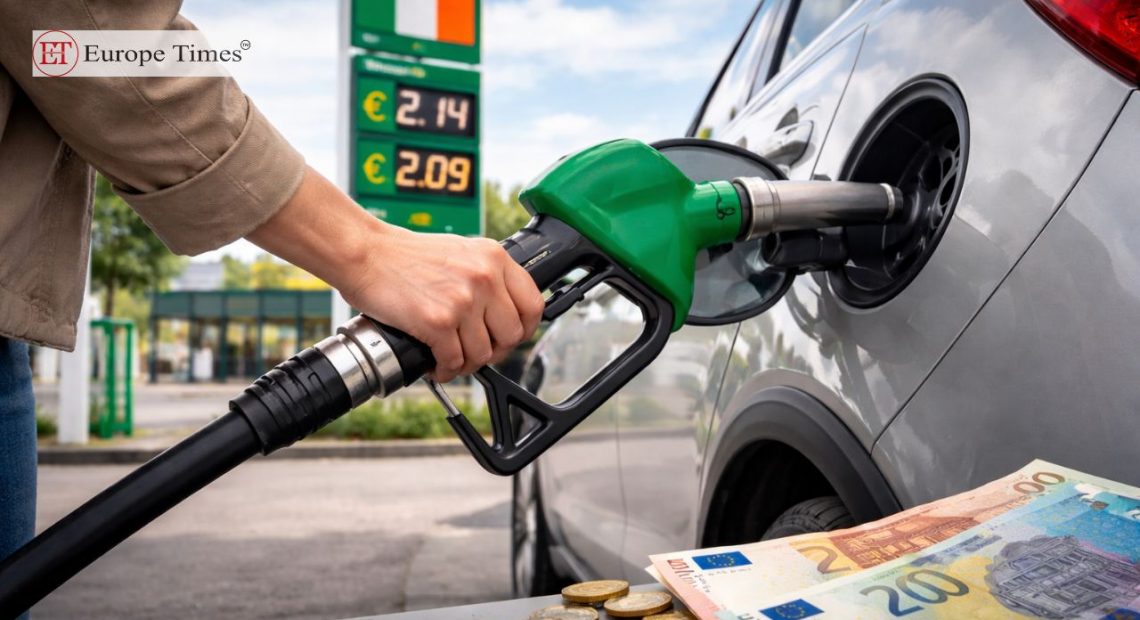
The Irish government has announced plans to reduce excise duty on petrol and diesel in an effort to ease pressure on motorists facing sharp fuel price increases linked to ongoing conflict in the Middle East. The temporary measures, expected to take effect from midnight Wednesday until the end of May, will lower diesel duty by 20 cents per litre and petrol by 15 cents per litre, pending cabinet approval.

Fuel prices have surged in recent days, with diesel rising from around €1.80 per litre to between €2.20 and €2.30, while petrol prices climbed close to €2 per litre. In addition to the duty cuts, authorities are preparing a backdated diesel rebate scheme aimed at supporting hauliers and bus operators, along with reductions for agricultural and green diesel users.

The broader support package, estimated to cost €235 million, will also include targeted energy assistance for pensioners, carers, and people with disabilities. Irish Prime Minister Micheál Martin noted that recent diplomatic developments involving the United States and Iran had helped lower crude oil prices but declined to confirm whether the changes would alter the government’s planned relief measures.

Pic courtesy: google/ images are subject to copyright