featured News Trending

As France prepares for its presidential election next spring, hard-left leader Jean-Luc Melenchon is gaining momentum by expanding support in France’s poorer and multicultural suburbs. The recent victory of independent mayor Bassi Konate in the Paris suburb of Sarcelles highlighted the growing influence of Melenchon’s France Unbowed (LFI) movement among young and diverse voters.

With President Emmanuel Macron nearing the end of his final term and the political center weakening, analysts believe Melenchon could emerge as a strong challenger in the 2027 presidential race. His promises of higher wages, wealth taxes, and stronger public services have resonated with younger voters and working-class communities, particularly in urban suburbs that feel overlooked by mainstream politics.

However, Melenchon and LFI remain controversial. Critics argue that the party’s positions on the Gaza conflict and other issues have contributed to tensions with parts of France’s Jewish community, allegations the party rejects. Despite concerns from some voters and investors, LFI believes its strategy of mobilizing young people and non-traditional voters could help propel Melenchon into a runoff against the far-right in next year’s election.

Pic courtesy: google/ images are subject to copyright

featured News

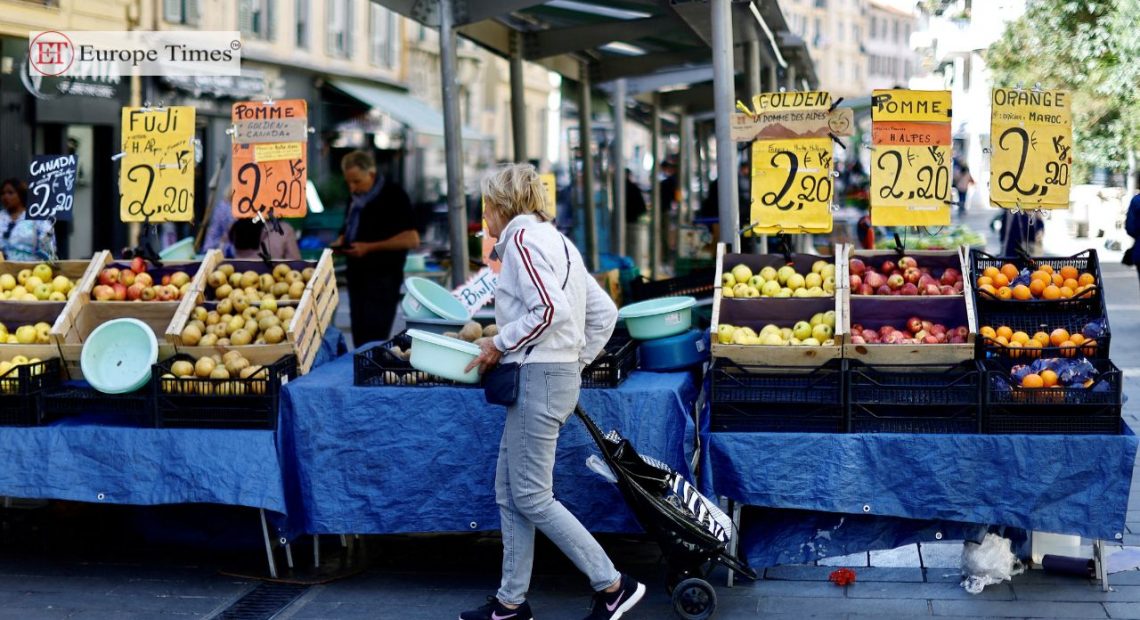
France is on the verge of recording its first annual food and agricultural trade deficit in almost five decades, driven by new foreign tariffs on wine exports and soaring global prices for cocoa and coffee. The country, long considered an agri-food export powerhouse thanks to the EU’s largest farming base, has seen its competitiveness steadily erode amid intensifying global and intra-EU competition. The decline has fueled strong opposition among farmers toward trade agreements like the proposed pact with the Mercosur bloc.

Customs data from the French Agriculture Ministry shows a cumulative deficit of 351 million euros for January to September 2025, following last year’s sharp surplus drop to its lowest level since the 1980s. Despite a significantly stronger harvest this year boosting cereal exports, the sector still posted a trade deficit in September. Analysts warn that temporary challenges, including tariffs from the U.S. and China and a spike in import costs for cocoa and coffee, are only part of the picture.

Industry leaders say deeper structural issues—such as high production costs, regulatory burdens, and slower global marketing efforts compared to competitors like Spain and Italy—have further weakened France’s trade position. As France grapples with these pressures, agricultural organisations argue for urgent reforms to revive competitiveness and rebuild the country’s historic strength in global food trade.

Pic Courtesy: google/ images are subject to copyright