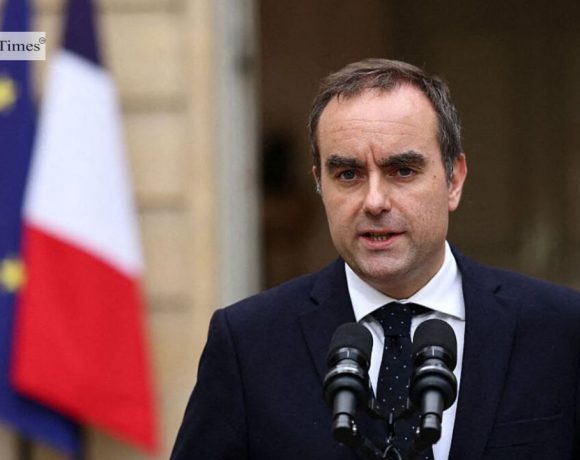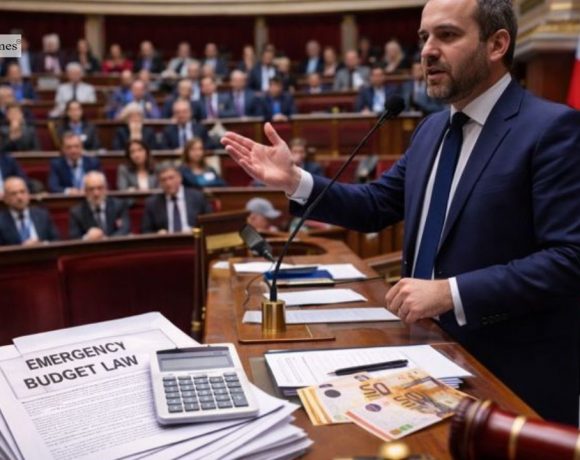
French Prime Minister Sebastien Lecornu has begun urgent talks with political leaders to pass emergency legislation that would keep the French government functioning into the new year, after lawmakers failed to agree on a full 2026 budget. A joint committee from both chambers of parliament was unable to finalise the budget bill last week, forcing the government to seek a temporary rollover law to allow spending, tax collection and borrowing to continue from January.
Lecornu is consulting party leaders, excluding the far right and far left, ahead of a cabinet meeting where the stopgap budget is expected to be approved before being sent to parliament. Lawmakers are widely expected to pass the measure on Tuesday, buying time for further negotiations on a complete 2026 budget in January. France’s fiscal situation is under close scrutiny from investors and credit rating agencies, as it currently has the highest budget deficit in the euro zone.
However, the political situation remains fragile. Lecornu has ruled out using special constitutional powers to force a budget compromise, as doing so could trigger a no-confidence vote. His minority government faces deep divisions in parliament, where budget disputes have already brought down three governments since President Emmanuel Macron lost his majority in the 2024 snap election. Last year, reliance on similar emergency legislation delayed the 2025 budget and cost the state an estimated €12 billion.
Pic courtesy: google/ images are subject to copyright