featured News Trending

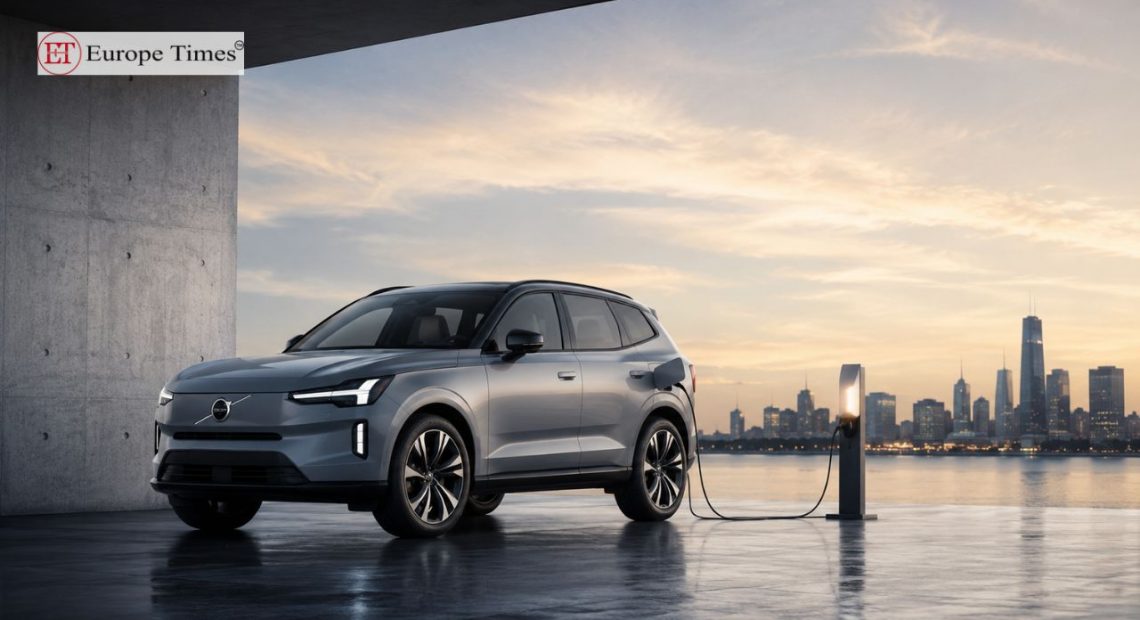
Volvo Cars expects a stronger second half of 2026 despite reporting weak second-quarter results driven by a sharp slowdown in China and rising production costs. The Swedish automaker posted an operating profit of $82.8 million for the April–June period, but its shares fell around 8% after the results were announced.

Sales in China, the world’s largest automobile market, dropped 35% as intense price competition continued to pressure the industry. Volvo said it would avoid heavy discounting despite the challenging market, while noting that plug-in hybrid models remained one of the few bright spots in the region.

The company also warned that higher raw material costs, including lithium and aluminium, are expected to impact profitability in the second half. However, Volvo remains optimistic that increased production of its new EX60 electric SUV, along with cost-cutting measures and higher vehicle output, will support improved earnings in the coming months.

Pic courtesy: google/ images are subject to copyright

featured News Trending

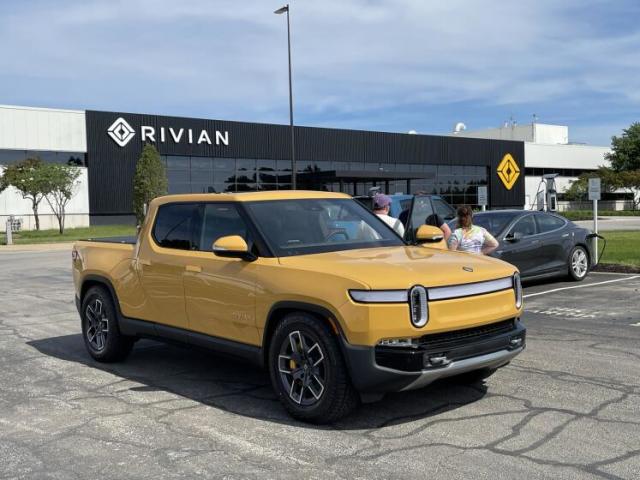
Volkswagen (VW), the German automotive giant, has announced an investment of up to $5 billion (£3.94 billion) in Rivian, a competitor to Tesla. This partnership forms a joint venture allowing both VW and the US-based electric vehicle (EV) manufacturer to share technology. Following the announcement, Rivian’s stock surged nearly 50%.

The collaboration comes amid increasing competition among EV manufacturers and the imposition of tariffs on Chinese imports by Western nations. VW will start with an initial $1 billion investment in Rivian, with an additional $4 billion planned by 2026.

Founded in 2009, Rivian has yet to achieve a quarterly profit, reporting a net loss of over $1.4 billion in the first quarter of 2024. VW, facing pressure from competitors like Tesla and China’s BYD, is working to transition from fossil fuel-powered vehicles to EVs.

The partnership provides VW with immediate access to Rivian’s software, which it can integrate into its vehicles. The deal also comes as Chinese EV manufacturers expand globally, increasing competition. The European Union (EU) recently announced plans to raise tariffs on Chinese EV imports by up to 38%, following an investigation that found Chinese EV companies had been unfairly subsidized. China criticized these tariffs as violating international trade rules and labeled the investigation as protectionist.

The tariff increase by the EU follows the United States’ decision to raise import duties on Chinese EVs from 25% to 100%. Canada is also considering similar measures to align with its allies.

Separately, Tesla announced a recall of over 11,000 Cybertrucks sold in the US due to issues with windscreen wipers and exterior trim. The Cybertrucks were first released at the end of November last year.

Picture Courtesy: Google/images are subject to copyright