featured News Trending

Bulgaria won the 2026 Eurovision Song Contest for the first time with singer Dara and her upbeat dance track “Bangaranga.” The final, held in Vienna, was overshadowed by controversy surrounding Israel’s participation during the Gaza conflict. Five countries — Spain, the Netherlands, Ireland, Iceland and Slovenia — boycotted the competition in protest, reducing the contest to 35 entries, the fewest since 2003.
Despite political tensions, Bulgaria’s energetic and non-political performance captured both juries and audiences. Dara described “Bangaranga” as a feeling of love, harmony and fearlessness after securing the country’s first Eurovision trophy. Meanwhile, Israel once again finished second after receiving a massive public vote boost, echoing a similar result in 2025. Some boos were heard in the arena when Israel’s televote points were announced, though the performance itself passed without major disruptions.

This year’s contest took place amid heightened tensions linked to the ongoing Gaza war following the October 7, 2023 Hamas-led attack on Israel. Organisers faced criticism and boycott calls throughout the week, while protests in Vienna remained relatively small and peaceful. Favorites Finland and Australia ultimately finished sixth and fourth respectively, as Bulgaria emerged with a surprise victory in one of Eurovision’s most politically charged editions.

Pic courtesy: google/ images are subject to copyright

featured News Trending

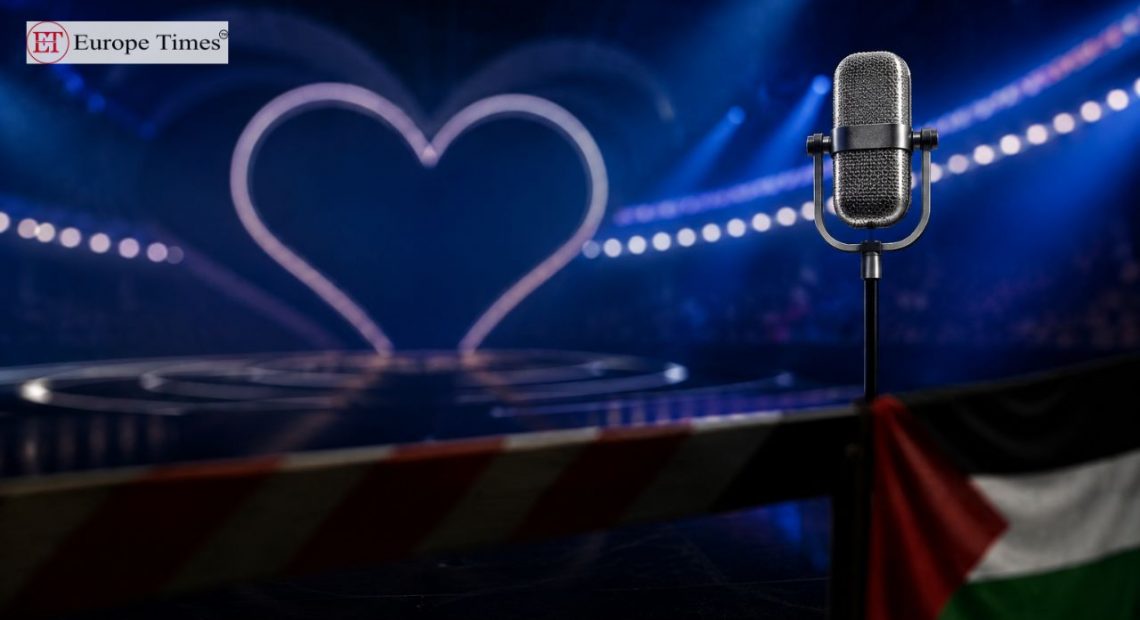
Several European broadcasters are refusing to air the 2026 Eurovision final in protest against Israel’s participation amid the ongoing Gaza conflict. Broadcasters in Ireland, Spain, Slovenia, the Netherlands, and Iceland have either withdrawn from the contest or introduced alternative programming ranging from comedy shows and music specials to documentaries focused on Gaza and Palestine.

In Ireland, national broadcaster RTE will air a famous episode of the sitcom Father Ted instead of the live final, while Spain’s TVE has planned a special music programme featuring artists like Raphael and former Eurovision contestant Chanel. Slovenia’s RTV announced it would broadcast a documentary series titled Voices of Palestine, highlighting stories from Gaza during the same time slot.

Despite the growing boycott movement, some countries like Iceland and the Netherlands will still broadcast Eurovision, arguing that the contest remains popular with viewers. Meanwhile, protests against Israel’s inclusion continue across Europe, with Belgian broadcasters reporting a major drop in Eurovision viewership compared to last year as criticism surrounding the event intensifies.

Pic courtesy: google/ images are subject to copyright

featured News

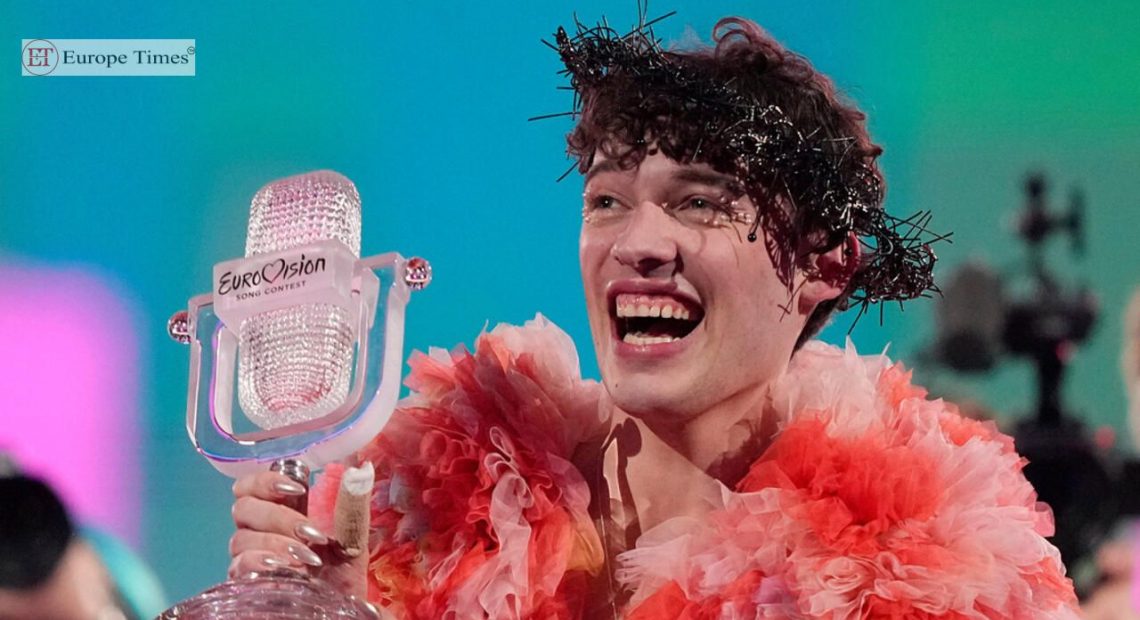
Swiss singer Nemo, the first non-binary performer to win Eurovision in 2024, has announced they are returning their trophy in protest against Israel’s continued participation in the contest. Nemo cited a “clear conflict” between Israel’s involvement and Eurovision’s stated values of “unity, inclusion and dignity,” referencing a UN report on the situation in Gaza. The 26-year-old shared a video placing the trophy in a box to be sent back to the European Broadcasting Union (EBU) headquarters in Geneva.

The announcement follows growing tensions over Israel’s participation, which led five countries—Iceland, Spain, Ireland, Slovenia, and the Netherlands—to declare they will boycott next year’s event. Eurovision organizers expressed sadness over Nemo’s decision but emphasized respect for their stance. The singer clarified that their protest is aimed at the political use of Eurovision rather than individual artists.

Nemo’s decision highlights the ongoing controversies surrounding the competition, including voting disputes and allegations of political influence. While Israel has welcomed its continued inclusion as a symbol of solidarity, the boycotts and protests mark the biggest crisis in Eurovision’s history, with next year’s 70th anniversary edition planned in Vienna amid heightened scrutiny.

Pic courtesy: google/ images are subject to copyright