featured News Trending

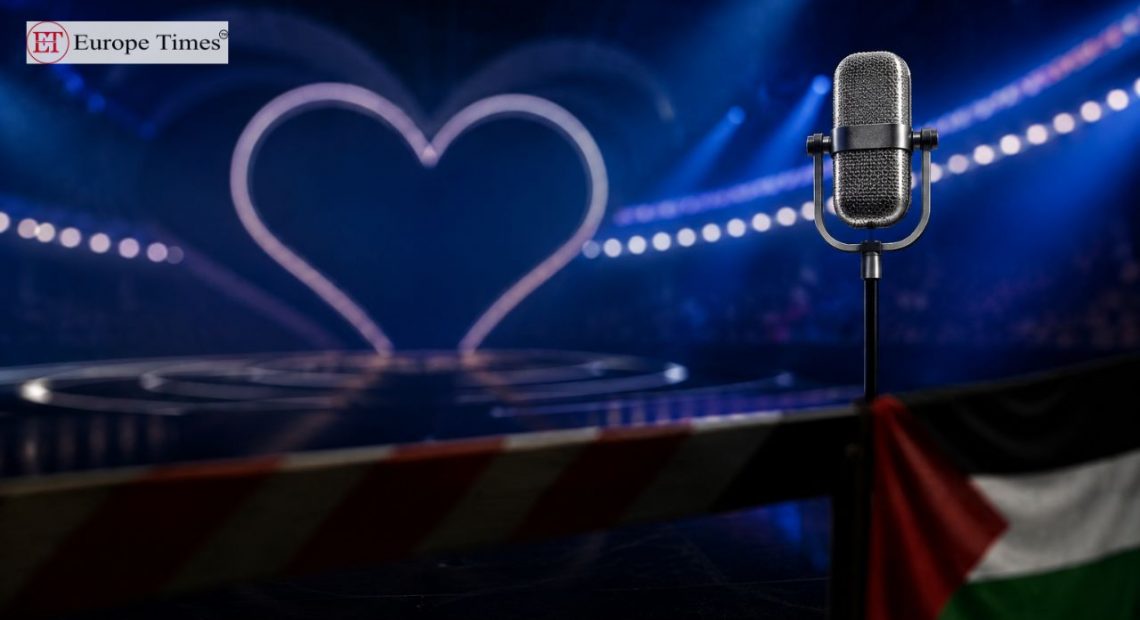
Bulgaria won the 2026 Eurovision Song Contest for the first time with singer Dara and her upbeat dance track “Bangaranga.” The final, held in Vienna, was overshadowed by controversy surrounding Israel’s participation during the Gaza conflict. Five countries — Spain, the Netherlands, Ireland, Iceland and Slovenia — boycotted the competition in protest, reducing the contest to 35 entries, the fewest since 2003.

Despite political tensions, Bulgaria’s energetic and non-political performance captured both juries and audiences. Dara described “Bangaranga” as a feeling of love, harmony and fearlessness after securing the country’s first Eurovision trophy. Meanwhile, Israel once again finished second after receiving a massive public vote boost, echoing a similar result in 2025. Some boos were heard in the arena when Israel’s televote points were announced, though the performance itself passed without major disruptions.

This year’s contest took place amid heightened tensions linked to the ongoing Gaza war following the October 7, 2023 Hamas-led attack on Israel. Organisers faced criticism and boycott calls throughout the week, while protests in Vienna remained relatively small and peaceful. Favorites Finland and Australia ultimately finished sixth and fourth respectively, as Bulgaria emerged with a surprise victory in one of Eurovision’s most politically charged editions.

Pic courtesy: google/ images are subject to copyright

featured News Trending

Canada could potentially join the Eurovision Song Contest in the future, according to Eurovision director Martin Green, who said the competition would welcome countries that share its values. While Canada has not officially applied to participate, Prime Minister Mark Carney’s government revealed last year that it was exploring the possibility with Canada’s public broadcaster, CBC.

Although Eurovision is primarily a European competition organised by the European Broadcasting Union (EBU), non-European countries like Australia have previously been allowed to compete. Canada’s CBC currently holds associate member status with the EBU, meaning participation could be considered on a case-by-case basis if approved by Eurovision organisers.

Canada already has strong historical ties to Eurovision through several artists who represented other countries. Most notably, Canadian singer Céline Dion won the contest for Switzerland in 1988, helping launch her global music career. Other Canadian performers, including Natasha St-Pier and La Zarra, have also represented France in past editions of the competition.

Pic courtesy: google/ images are subject to copyright

featured News Trending

Several European broadcasters are refusing to air the 2026 Eurovision final in protest against Israel’s participation amid the ongoing Gaza conflict. Broadcasters in Ireland, Spain, Slovenia, the Netherlands, and Iceland have either withdrawn from the contest or introduced alternative programming ranging from comedy shows and music specials to documentaries focused on Gaza and Palestine.

In Ireland, national broadcaster RTE will air a famous episode of the sitcom Father Ted instead of the live final, while Spain’s TVE has planned a special music programme featuring artists like Raphael and former Eurovision contestant Chanel. Slovenia’s RTV announced it would broadcast a documentary series titled Voices of Palestine, highlighting stories from Gaza during the same time slot.

Despite the growing boycott movement, some countries like Iceland and the Netherlands will still broadcast Eurovision, arguing that the contest remains popular with viewers. Meanwhile, protests against Israel’s inclusion continue across Europe, with Belgian broadcasters reporting a major drop in Eurovision viewership compared to last year as criticism surrounding the event intensifies.

Pic courtesy: google/ images are subject to copyright