
featured News Trending

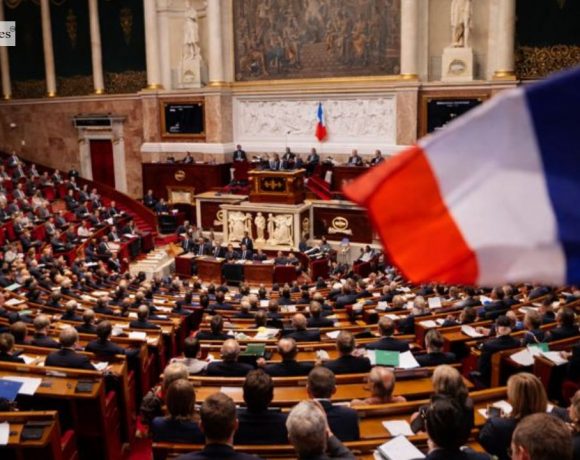
France’s 2026 budget has finally been approved after two no-confidence motions failed in the National Assembly, bringing an end to months of political uncertainty. Prime Minister Sebastien Lecornu, leading a weak minority government, secured the passage of the budget with targeted concessions to Socialist lawmakers, including delaying an unpopular pension reform. Lecornu emphasized that the budget reins in public spending without raising taxes for households or businesses.

The delayed budget, which had unsettled markets and alarmed European partners, now provides a period of stability ahead of the 2027 presidential election. Despite a still-high deficit of 5% of GDP, investor confidence has improved, and the French debt risk premium has returned to pre-election levels. Lecornu’s flexibility and compromise have preserved Macron’s legacy of attracting foreign investment.

With domestic reforms largely stalled, President Emmanuel Macron is now focusing on foreign policy, including reducing Europe’s dependency on foreign powers and addressing trade disputes with the U.S. Meanwhile, the centrist bloc faces uncertainty with no clear successor, while former prime ministers Edouard Philippe and Gabriel Attal, along with Lecornu, position themselves for the upcoming presidential race.

Pic courtesy: google/ images are subject to copyright
featured News Trending

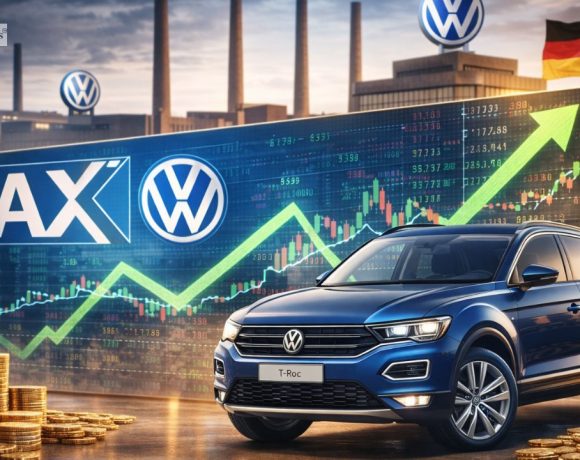
Volkswagen shares climbed to the top of Germany’s DAX index on Thursday after the carmaker reported stronger-than-expected automotive cash flow for 2025. Europe’s largest automaker said its automotive division generated net cash flow of about 6 billion euros, well above its own forecast of around zero, boosting investor confidence and driving the stock up 4.6% in morning trading.

The result marked a 1 billion-euro improvement from the previous year and exceeded market expectations, with analysts noting that while management had hinted at possible upside, the scale of the beat was a surprise. Broader sentiment toward the sector was also supported by easing trade concerns after U.S. President Donald Trump stepped back from threats of tariffs against European allies, reducing near-term risks for exporters.

Despite the upbeat performance, Volkswagen cautioned that challenges remain. The company expects pricing conditions to stay tight and profits from its China joint venture to decline in 2026 before recovering in 2027. Shares across the European auto sector rose in sympathy, while Volkswagen is set to publish its full-year 2025 results and 2026 outlook on March 10.

Pic courtesy: google/ images are subject to copyright
featured News Trending

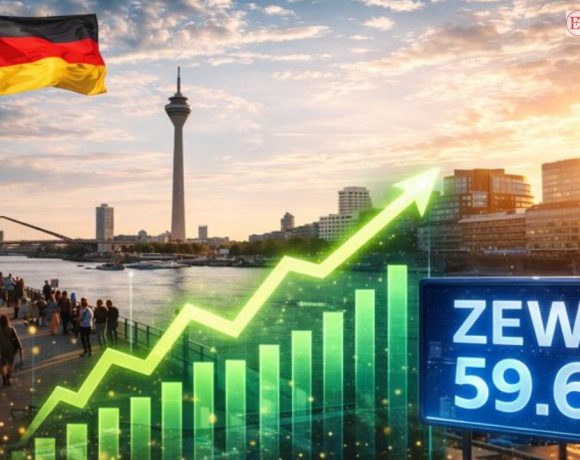
German investor confidence jumped sharply in January to its highest level since August 2021, according to the ZEW economic research institute, signalling rising optimism about Europe’s largest economy. The ZEW expectations index climbed to 59.6 points, far exceeding market forecasts of 50.0 and up from 45.8 in December, as investors grew more hopeful that 2026 could mark a turning point for Germany.

Economists attributed the improved sentiment partly to the government’s expansive fiscal package, which includes higher public spending on defence and infrastructure aimed at reversing the economic slowdown. While expectations improved, ZEW President Achim Wambach cautioned that reforms are still needed to enhance Germany’s attractiveness as a business location and ensure sustainable long-term growth.

Despite the upbeat mood, risks remain. Trade tensions, particularly concerns over potential U.S. tariffs on German and other European exports, could weigh on the outlook. The ZEW’s assessment of the current economic situation improved but stayed deeply negative, highlighting that while confidence is recovering, Germany’s economy is not yet out of the woods.

Pic courtesy: google/ images are subject to copyright