featured News Trending

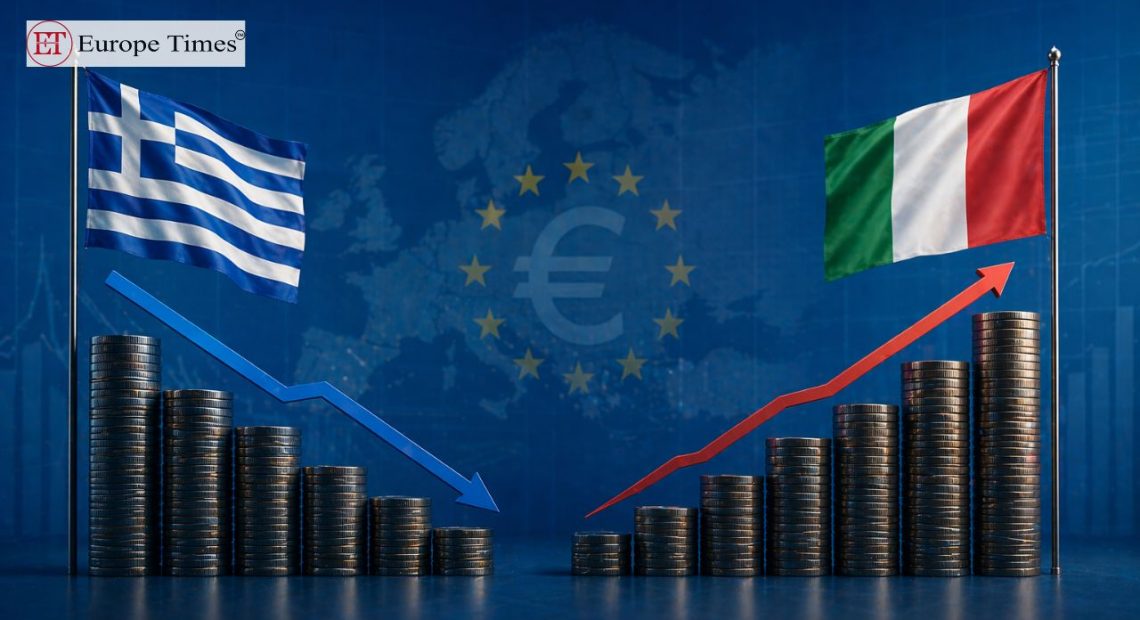
Greece is expected to lose its position as the euro zone’s most indebted country by the end of 2026, with its public debt ratio projected to fall below that of Italy. Greek debt is forecast to decline to around 137% of GDP this year, down from 145% in 2025, reflecting steady fiscal improvement following years of economic recovery efforts.

In contrast, Italy’s debt is projected to rise from 137.1% of GDP in 2025 to about 138.6% in 2026, according to its latest multi-year budget plan. This shift will place Italy at the top of the euro zone’s debt rankings, although its debt levels are expected to stabilize and gradually decline in the following years. Greek officials say the updated figures will be included in the country’s fiscal plan to be submitted to the European Commission.

Greece has significantly reduced its debt burden over the past few years, cutting it by more than 45 percentage points since 2020 after enduring a prolonged financial crisis and multiple bailout programs. The country now plans to repay about €7 billion in bailout loans ahead of schedule, signaling stronger economic footing. Meanwhile, Italy has made slower progress in reducing its debt, narrowing the gap between the two economies.

Pic courtesy: google/ images are subject to copyright

featured News Trending

The European Court of Justice has ruled that Hungary’s anti-LGBTQ legislation violates European Union law and core values, marking an unprecedented legal decision. The law, introduced in 2021 under Viktor Orbán, banned the “promotion” of homosexuality and gender change to minors. The court found that it breached fundamental rights, including non-discrimination, freedom of expression, and respect for private and family life, while also undermining the EU’s founding principles under Article 2.

Judges said the legislation stigmatized LGBTQ individuals and unfairly linked them to criminal behavior, damaging equality and pluralism within the bloc. The ruling comes shortly after Hungary’s recent election, which ended Orbán’s long tenure and brought Péter Magyar to power. His party now holds a strong parliamentary majority, raising expectations for policy changes and closer alignment with EU standards.

The European Commission has indicated it will push the new government to comply with the judgment and repeal the law. Analysts say the decision could have broader implications across the EU, reinforcing that member states cannot violate both the legal framework and the underlying values of equality, human rights, and rule of law.

Pic courtesy: google/ images are subject to copyright

featured News Trending

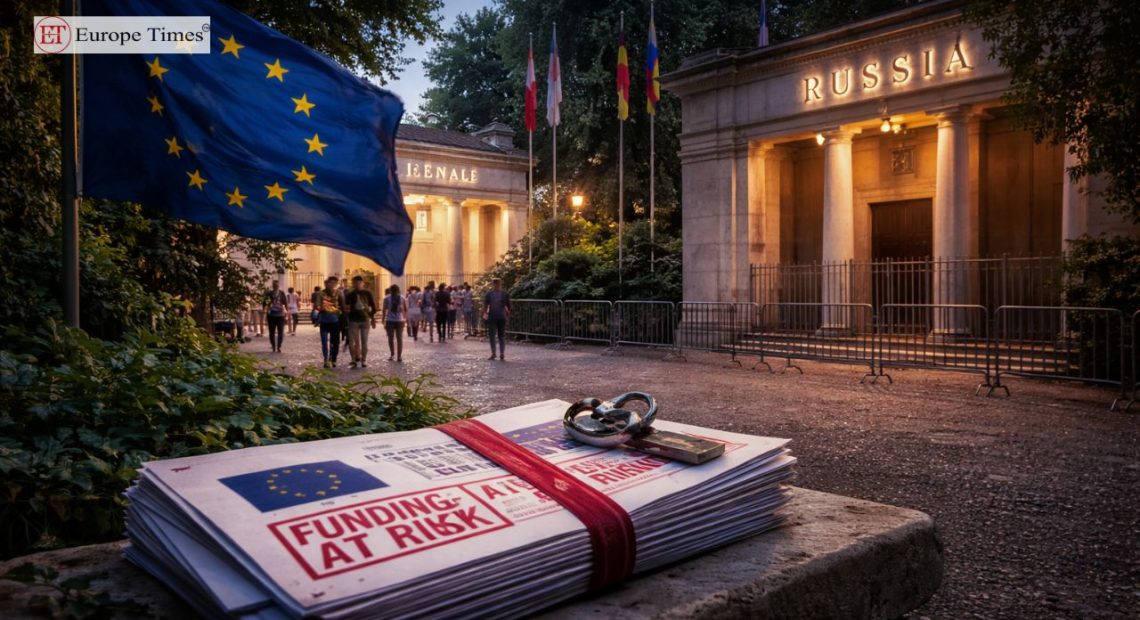
The European Commission has warned it may withdraw funding from the Venice Biennale if organisers allow Russia to reopen its national pavilion at this year’s art exhibition. Russia’s pavilion was closed after the 2022 invasion of Ukraine, which led to the exclusion of Russian artists and institutions from many cultural events across Europe. The EU said institutions must comply with sanctions and avoid giving a platform to individuals who support the Kremlin’s war.

The commission said it could review measures including suspending a current EU grant to the Biennale Foundation, which organises the event in Venice. The EU currently provides about 2 million euros for film-related projects over three years, while the festival also receives major funding from the Italian government. Culture and foreign ministers from more than 20 European countries have also written to Biennale President Pietrangelo Buttafuoco calling Russia’s participation unacceptable.

Buttafuoco defended the exhibition as a global space for dialogue without censorship, saying it should remain open even to countries involved in conflicts. However, Alessandro Giuli, Italy’s culture minister, said the government does not support the decision. Ukrainian officials also urged the international art community to stay alert to what they described as Russia’s use of culture for propaganda during the ongoing war.

Pic courtesy: google/ images are subject to copyright

featured News Trending

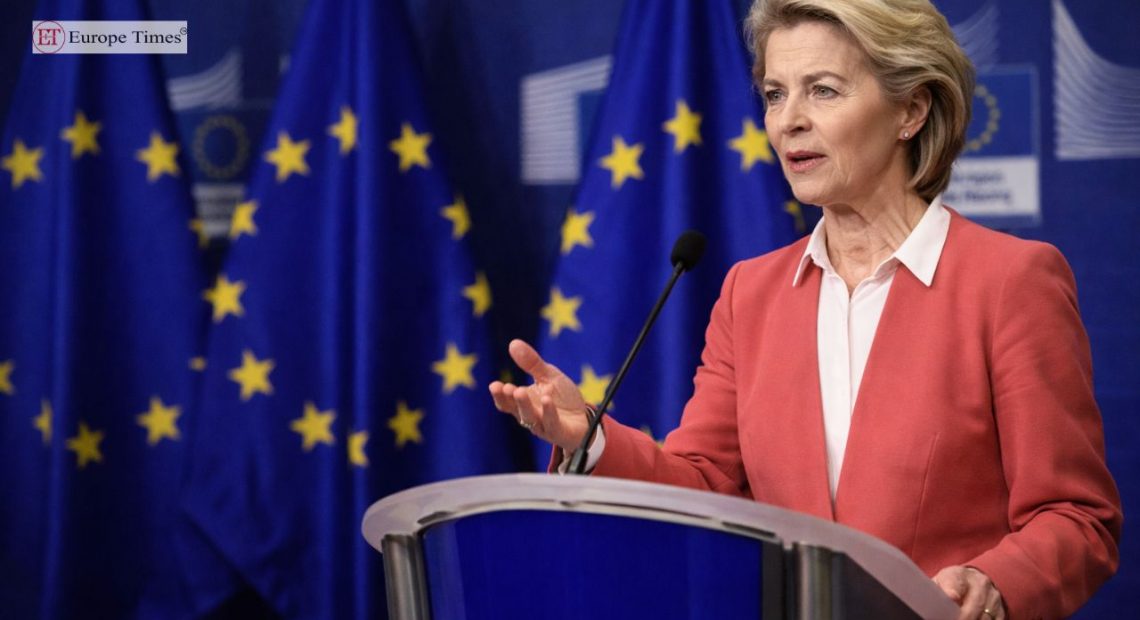
The European Union must be prepared to assert its power more strongly in a changing geopolitical landscape, Ursula von der Leyen, President of the European Commission, said on Monday. Speaking at a conference for EU ambassadors in Brussels, she warned that the bloc can no longer rely solely on the global “rules-based” system to safeguard its interests.

Von der Leyen said the EU will continue to support the international framework it helped build with allies but must recognise that those rules alone may not protect it from emerging threats. She emphasised that Europe needs to be ready to defend its interests more proactively in an increasingly complex and uncertain global environment.

She also urged the bloc to reassess whether its institutions and decision-making structures—designed in a post-war era of stability and multilateral cooperation—remain effective today. According to von der Leyen, the EU must determine if its systems strengthen or weaken its credibility as a geopolitical actor amid rapidly evolving global challenges.

Pic courtesy: google/ images are subject to copyright

featured News Trending

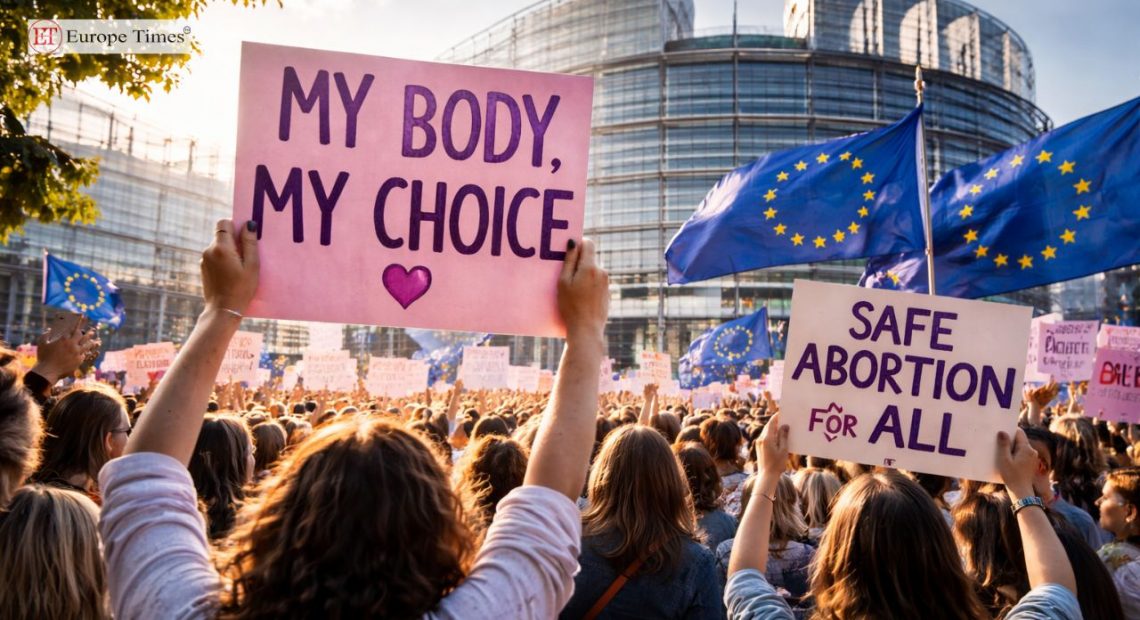
The European Commission has clarified that member states may use the European Social Fund to provide free abortion services to women traveling from EU countries with restrictive laws. The announcement followed the “My Voice, My Choice” citizens’ initiative, which gathered over one million signatures urging the bloc to ensure equal access to safe and legal abortion care. While the Commission stopped short of proposing a new funding tool, it confirmed that existing resources could be reallocated to support women, particularly those in vulnerable situations, seeking procedures abroad.

The move comes as countries such as Poland and Malta maintain near-total abortion bans, and access remains limited in nations including Italy and Croatia. Supporters argue that women across the 27-member bloc should have equal healthcare rights regardless of national restrictions. Campaign coordinator Nika Kovac welcomed the clarification, calling it the first clear confirmation that EU funds can be used to guarantee safe abortion access across borders.

However, critics — including conservative lawmakers and far-right groups — say the decision interferes with national sovereignty over health policy and undermines traditional values. Opponents argue that using EU social funds for abortion-related services effectively bypasses domestic laws. The clarification reflects broader tensions within Europe, where abortion access has expanded in countries such as France and the UK, even as far-right parties opposing abortion gain political ground.

Pic courtesy: google/ images are subject to copyright

featured News Trending

TikTok is “extremely cooperative” with the European Commission’s ongoing investigation into potential interference in Romania’s 2024 elections, according to Commission spokesperson Thomas Regnier. He noted that TikTok has implemented several measures and maintained open engagement with the Commission.

The European Union opened formal proceedings against TikTok in December 2024, citing concerns that the social media platform failed to sufficiently limit election interference during the Romanian presidential vote.

Regnier emphasized that TikTok’s responsiveness highlights the company’s willingness to work collaboratively with EU authorities, reflecting a proactive approach to addressing regulatory concerns about election integrity.

Pic courtesy: google/ images are subject to copyright

featured News Trending

European Commission President Ursula von der Leyen told the European Parliament on Wednesday that the EU must accelerate its drive for independence to protect itself in a rapidly changing world. She emphasized that while Europe prefers dialogue, it is ready to act with unity, urgency, and determination if necessary.

Von der Leyen highlighted that Europe needs its own tools of power, including a strong economy, a robust single market, technological innovation, and the capacity to defend itself. She stressed that these elements are crucial for the EU to navigate global challenges effectively.

She also reaffirmed the EU’s focus on Ukraine, while noting plans to strengthen security partnerships with the US and other allies in the Arctic region, underlining the importance of collaboration in a complex geopolitical landscape.

Pic courtesy: google/ images are subject to copyright

featured News Trending

The European Commission has strongly condemned the spread of sexualised images of women and children on Elon Musk-owned social media platform X, calling the content illegal and unacceptable. The criticism follows reports that X’s AI chatbot Grok was generating non-consensual images of undressed women and minors through a feature previously referred to as “spicy mode.” EU officials said such content has no place in Europe and violates existing laws.

In Britain, media regulator Ofcom has demanded answers from X and its parent company xAI on how the AI system was able to create sexualised images, including of children, and whether the platform failed in its legal duty to protect users. Ofcom said it had contacted the company urgently to assess compliance with UK laws, under which the creation or sharing of non-consensual intimate images and child sexual abuse material — including AI-generated content — is illegal. X has not formally responded, while Musk has publicly mocked criticism online.

Pressure on X is also mounting from other countries. French ministers have reported the platform to prosecutors and regulators, calling the content “manifestly illegal,” while Indian authorities have sought explanations over what they termed obscene material. Despite growing concern across Europe and Asia, US regulators have so far remained silent on the issue, with federal agencies declining or failing to comment.

Pic courtesy: google/ images are subject to copyright

featured News

Elon Musk’s social media platform X has banned the European Commission from running adverts on the site, days after being fined €120 million (£105m) by the EU under the Digital Services Act. The fine accused X of misleading users through its blue tick verification system, which the regulator said was not actually verifying identities and could enable scams and impersonation.

Nikita Bier, a senior X executive, claimed the European Commission attempted to exploit the platform’s advertising tools by posting content in a way that artificially boosted its reach. He argued that the Commission believed rules did not apply to them, leading to the termination of its ad account. The EU rejected the accusation, stating it only uses social media tools provided by platforms and does so in “good faith.”

The dispute adds to ongoing global clashes between X and regulators. The EU has also accused the platform of lacking transparency on adverts and restricting researcher access to public data. X now has 60 days to justify its verification practices or face further penalties. The platform has previously faced sanctions in Brazil and Australia over misinformation and safety compliance issues.

Pic courtesy: google/ images are subject to copyright

featured News

Belgium has raised strong objections to the European Union’s plan to use frozen Russian assets to provide a “reparations loan” to Ukraine. Prime Minister Bart De Wever and Foreign Minister Maxime Prévot argue that tapping €140bn of Russian state assets held in Belgium could expose the country to massive legal risks and potential bankruptcy if Russia takes action. They have called for an alternative approach, suggesting the EU borrow the necessary funds from financial markets instead.

Most EU countries, including Germany, support the proposal, viewing it as an urgent way to fund Ukraine’s defense amid ongoing Russian attacks. Chancellor Friedrich Merz and EU foreign policy chief Kaja Kallas argue that a reparations loan would strengthen Europe’s position against Moscow and could incentivize Russia to negotiate peace. However, legal experts and Belgium’s central securities depository, Euroclear, caution that lending these frozen assets carries significant financial and legal dangers.

The European Commission is preparing a legal framework to address the plan, but disagreements among member states have delayed progress. Belgium insists on legally binding guarantees to share risk with other EU countries, while Russia has threatened decades of litigation if the assets are used for Ukraine. With the EU summit approaching, a final decision on the contentious proposal remains uncertain.

Pic courtesy: google/ images are subject to copyright