featured News Trending

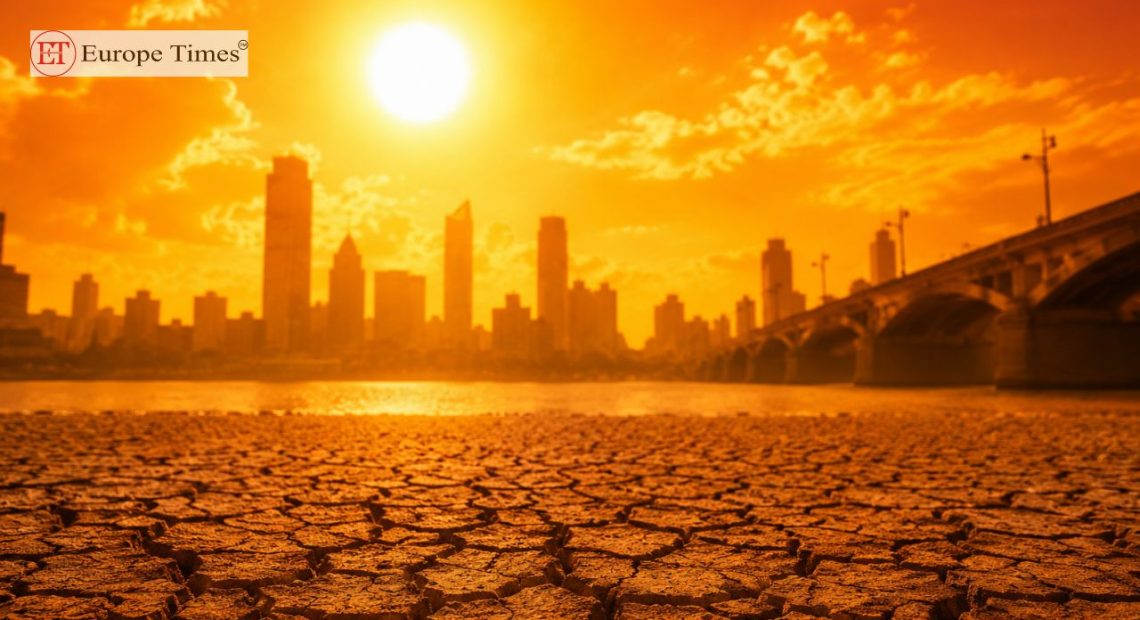
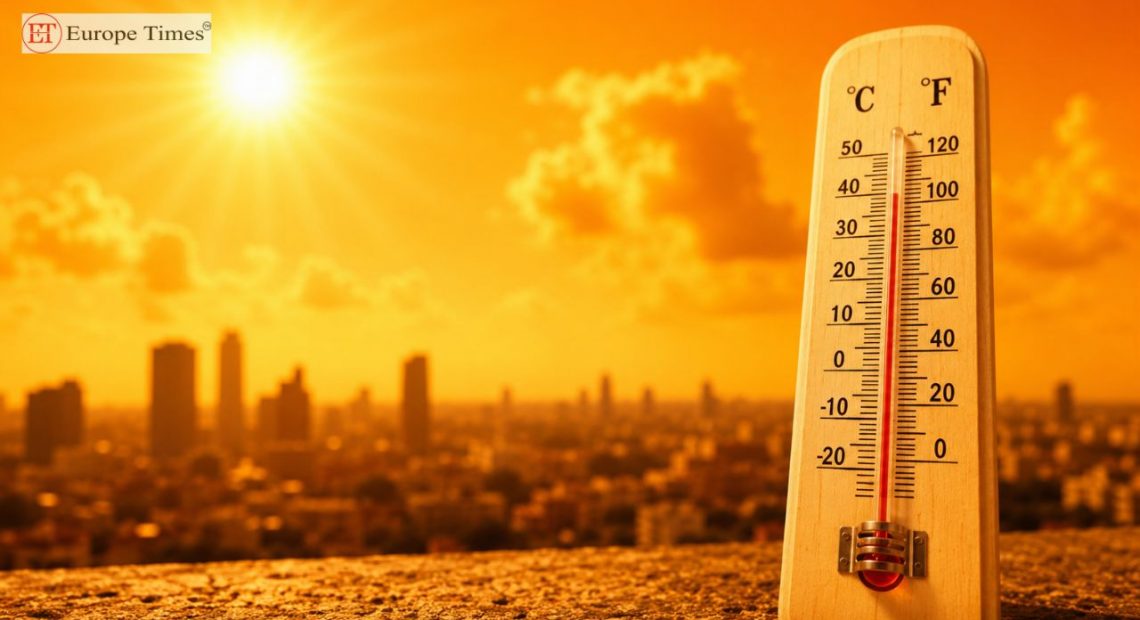
Europe is facing an intense and prolonged heatwave, with red alerts issued across France, Spain, Italy, Germany, Switzerland, and Luxembourg as temperatures are forecast to exceed 40°C. French weather authorities warned that the heatwave could be one of the longest in recent years, with cities like Bordeaux already recording 42°C and Paris expected to reach 41°C. Hundreds of schools have been closed, and transport services have been disrupted as governments urge residents to take precautions.

The extreme conditions have already had deadly consequences. In southern France, two young children were found dead in a family car in an incident believed to be linked to the heat. Several elderly residents have also died amid soaring temperatures, while authorities reported multiple drowning incidents as people sought relief in rivers and lakes. Across Europe, emergency services remain on high alert as hospitals prepare for heat-related illnesses.

Meteorologists say the heatwave is being driven by hot air moving north from the Sahara Desert, trapping unusually high temperatures across western and central Europe. Scientists point to the event as another sign of global warming, noting that most of France’s recorded heatwaves have occurred since 2000. Temperatures are expected to peak midweek before gradually easing toward the end of the week.

Pic courtesy: google/ images are subject to copyright

featured News Trending

Portugal has recorded its hottest May temperature ever after the town of Mora hit 40.3°C, breaking a national record set more than two decades ago. The extreme heat is part of a wider heatwave affecting several Western European countries, including France, Italy, Spain and Germany.

Authorities across Europe are scrambling to respond as temperatures continue to soar. France held emergency meetings on heatwave preparedness, while schools reported dangerous indoor temperatures above 50°C. In Italy, cities including Rome were placed under red heat alerts, warning of serious health risks even for healthy people.

The intense weather has also disrupted major events, with tennis star Jannik Sinner struggling with dizziness during the French Open amid the heat. Scientists say climate change is making heatwaves more frequent and severe, with the UN warning that global temperatures are likely to remain near record highs in the coming years.

Pic courtesy: google/ images are subject to copyright

News Trending

On Tuesday, a fierce heatwave moved north and scorching temperatures were felt throughout much of Western Europe. According to preliminary Met Office data, the UK recorded its hottest temperature ever at 40.2C, and forecasters warned that temperatures will continue to rise.

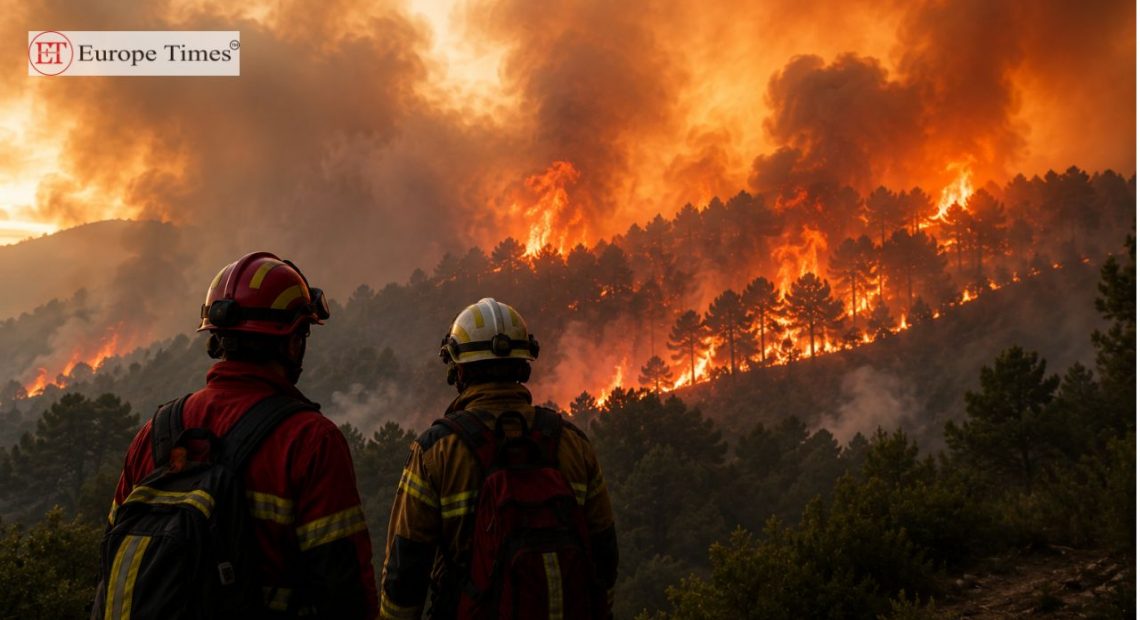
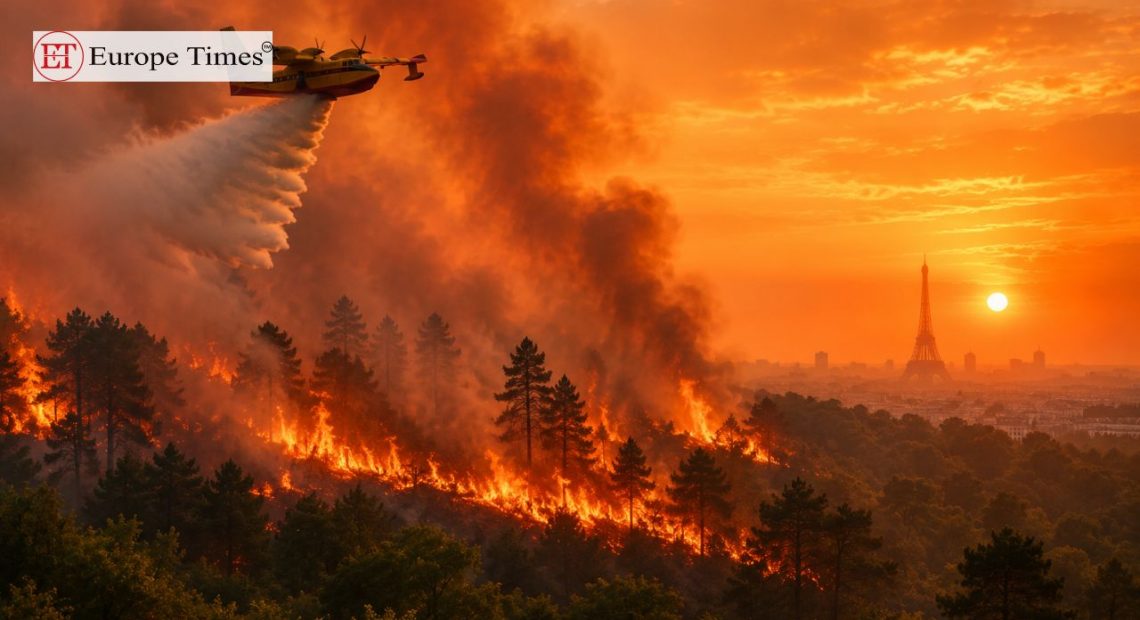
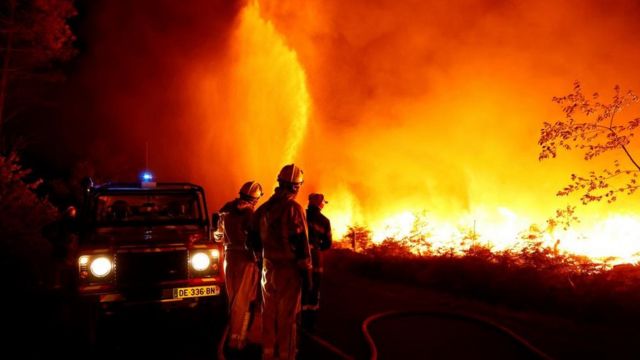
France issued extreme heat warnings, and the Netherlands reported July temperatures that were records. Thousands of people have had to leave their homes due to deadly wildfires in France, Portugal, Spain, and Greece.

In Spain’s northwest Zamora region, two persons perished in forest fires, and trains in the area were stopped due to burning near the tracks. In northern Portugal, an elderly couple perished while attempting to flee fires.

Due to human-induced climate change, heatwaves are now more common, more powerful, and stay longer. According to German Environment Minister Steffi Lemke, the country’s plans for extremely hot weather, droughts, and flooding must be revised because of the climate problem.

A day after numerous French cities, including Nantes in the west, experienced their warmest day ever, wildfires were still raging.

A number of camp sites were destroyed, and evacuees were housed in temporary shelters as more than 30,000 people were forced to escape. Firefighters from all around France are working to put out two fires that have burned over 19,300 hectares (47,700 acres) of land in Gironde, a well-known vacation area in the southwest. Early on Tuesday, the wind shifted, and smoke engulfed the city of Bordeaux.

Picture courtesy: Google/images are subject to copyright