featured News Trending

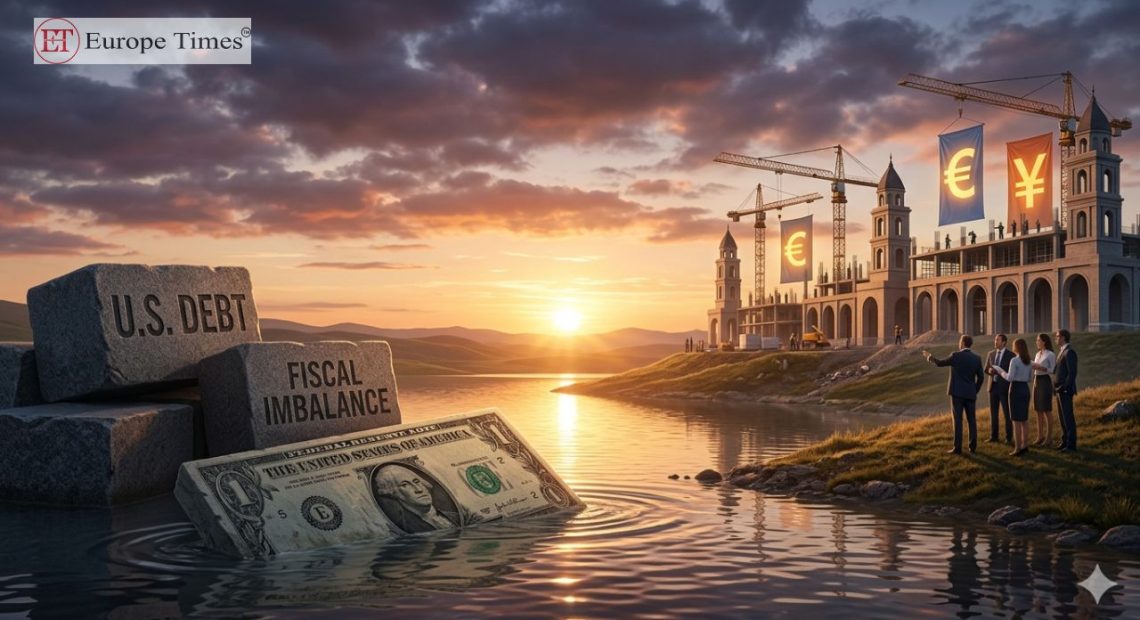
The U.S. dollar is projected to weaken over the long term due to unsustainable fiscal debt and trade imbalances in the world’s largest economy, according to Patrick Thomson, EMEA CEO of JPMorgan Asset Management. Speaking at an International Capital Markets Association conference in London, Thomson noted that while the dominance of U.S. Treasuries remains intact, fixed-income investors are increasingly concerned about the long-term sustainability of elevated U.S. debt levels. Although the dollar recently gained nearly 2% as a safe-haven asset following the outbreak of the Iran war, it experienced sharp declines last year driven by U.S. policy uncertainty and the implementation of “Liberation Day” tariffs.
This shifting dynamic has positioned Europe as a major beneficiary, with investors actively seeking diversification through the euro and Chinese yuan. Despite economic challenges brought on by the regional conflict, JPMorgan Asset Management has reported substantial business growth in Europe, now managing over a trillion dollars in assets. This influx of capital is being driven by increased fiscal spending in Germany, a strategic push by policymakers to mobilize household savings, and a renewed appeal for European companies and investment opportunities as portfolio diversifiers.

However, financial experts emphasize that Europe must implement critical reforms to effectively compete with the United States. Thomson pointed out that unlocking retail bank deposits and encouraging individual market participation represents a massive opportunity to drive new market issuance and demand. Echoing this sentiment, Euroclear CEO Valerie Urbain stated that for Europe to truly rival the U.S. financial landscape, it must develop deeper, more integrated capital markets by actively attracting a larger volume of both investors and issuers.

Pic courtesy: google/ images are subject to copyright

featured News

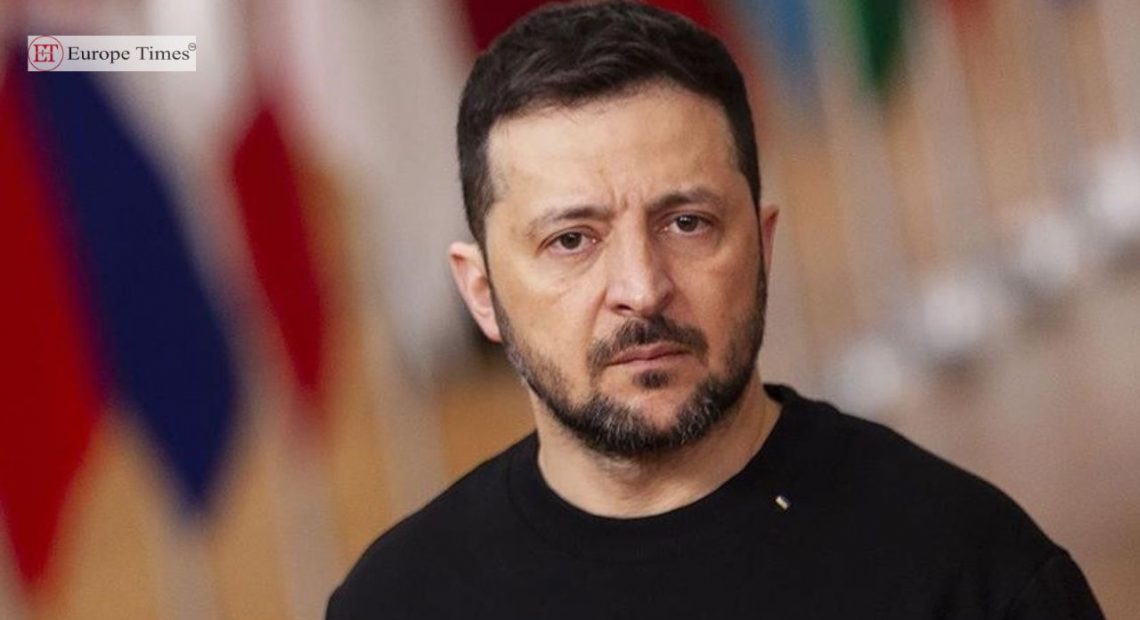
Ukrainian President Volodymyr Zelensky has warned that Ukraine faces a severe financial crisis unless the European Union agrees to loan billions of euros from frozen Russian assets to support Kyiv’s military and economy. Speaking in Brussels as EU leaders gathered for a critical summit, Zelensky said a positive decision was essential, noting that without additional funding Ukraine’s finances could run dry within months. Around €210bn of Russian assets are frozen in the EU, most of them held in Belgium through financial services firm Euroclear.

The European Commission has proposed loaning Ukraine about €90bn over the next two years using these frozen assets, arguing it would strengthen Kyiv’s position both on the battlefield and in ongoing peace talks. Supporters believe the move would also send a strong signal to Moscow that continuing the war is futile. However, Belgium and several other EU members remain cautious, citing legal and financial risks, while Hungary has openly opposed any further EU funding for Ukraine.

As discussions continue, EU leaders are under pressure to find consensus, with Commission President Ursula von der Leyen insisting a solution must be reached. While some countries are willing to provide guarantees to address Belgium’s concerns, doubts remain over the legal basis and potential consequences if courts later order the money returned to Russia. Despite the uncertainty, EU officials stress that the coming hours are decisive for Ukraine’s ability to sustain its war effort or prepare for recovery.

Pic courtesy: google/ images are subject to copyright

featured News

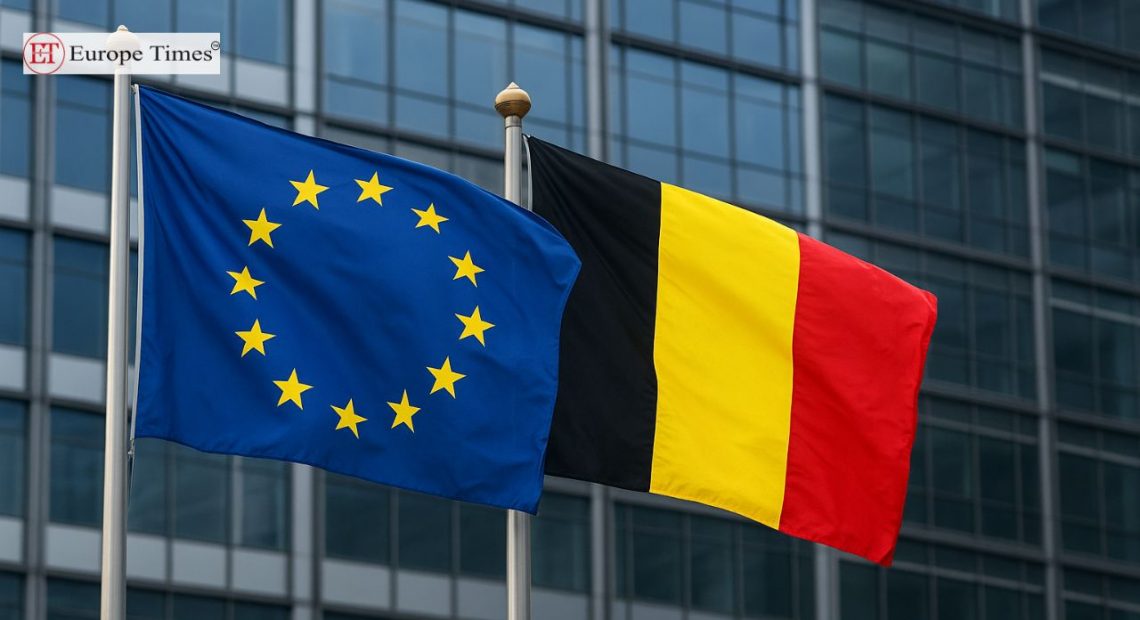
Belgium has raised strong objections to the European Union’s plan to use frozen Russian assets to provide a “reparations loan” to Ukraine. Prime Minister Bart De Wever and Foreign Minister Maxime Prévot argue that tapping €140bn of Russian state assets held in Belgium could expose the country to massive legal risks and potential bankruptcy if Russia takes action. They have called for an alternative approach, suggesting the EU borrow the necessary funds from financial markets instead.

Most EU countries, including Germany, support the proposal, viewing it as an urgent way to fund Ukraine’s defense amid ongoing Russian attacks. Chancellor Friedrich Merz and EU foreign policy chief Kaja Kallas argue that a reparations loan would strengthen Europe’s position against Moscow and could incentivize Russia to negotiate peace. However, legal experts and Belgium’s central securities depository, Euroclear, caution that lending these frozen assets carries significant financial and legal dangers.

The European Commission is preparing a legal framework to address the plan, but disagreements among member states have delayed progress. Belgium insists on legally binding guarantees to share risk with other EU countries, while Russia has threatened decades of litigation if the assets are used for Ukraine. With the EU summit approaching, a final decision on the contentious proposal remains uncertain.

Pic courtesy: google/ images are subject to copyright

News Trending

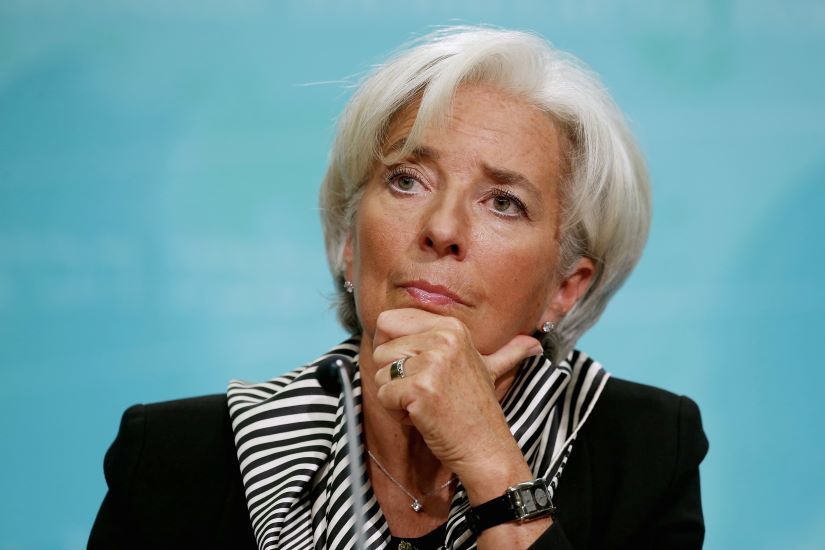
The G7 finance ministers are set to discuss whether Ukraine can receive an additional €30 billion loan from seized Russian assets totaling €270 billion. This proposal has sparked division within the G7, particularly between the US and Germany. While some advocate for full asset seizure, others, including Christine Lagarde, ECB president, raise legal and economic concerns.

The US and UK propose mobilizing the frozen assets to provide a substantial loan to Ukraine, with interest paid from the profits of the seized Russian assets. They argue this approach avoids the need for asset confiscation, which could disrupt the international legal order and financial stability.

Belgium, holding the largest share of Russia’s frozen assets within the G7, has already generated significant investment income from these assets. It has agreed to allocate a portion of this profit to a joint G7 fund for Ukraine.

Critics argue that using the assets as collateral for a loan effectively amounts to confiscation. However, some legal scholars suggest that under the doctrine of state countermeasures, seizure may be justified.

Overall, there is contention over whether to provide Ukraine with a substantial loan using the seized assets, with concerns about legal implications and potential repercussions for financial stability and international relations.

Picture Courtesy: Google/images are subject to copyright