featured News Trending

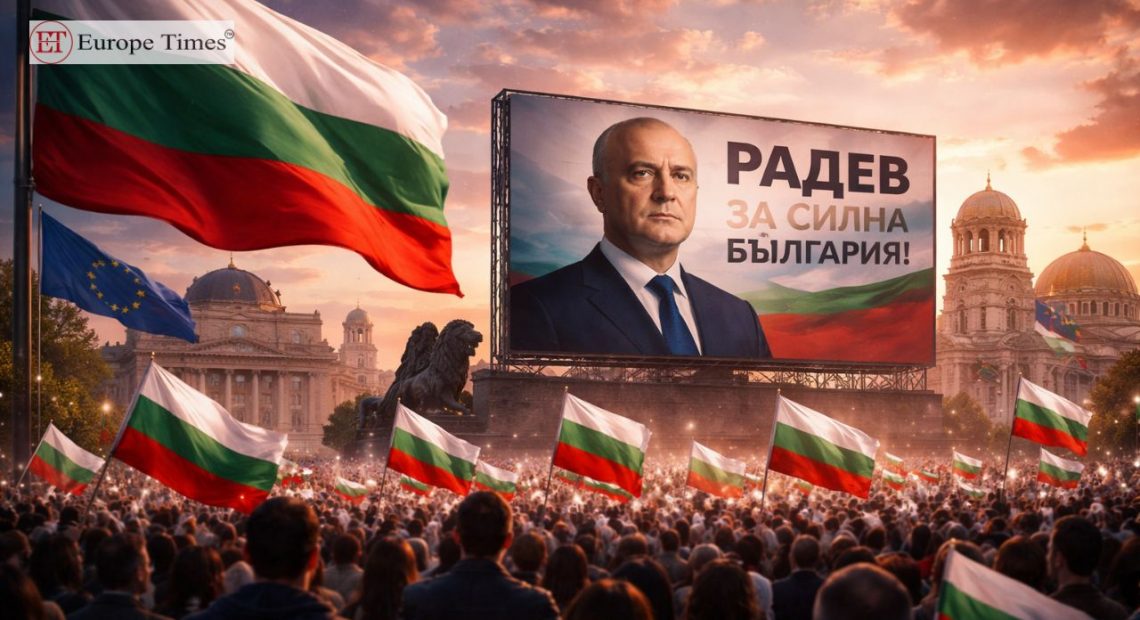
Former Bulgarian president Rumen Radev is leading opinion polls ahead of the April 19 parliamentary election, campaigning on an anti-corruption platform and promising stability after years of political turmoil. Backed strongly by rural and older voters, Radev has positioned himself as a reformer determined to dismantle what he calls an entrenched oligarchic system.

The vote comes after repeated elections and fragile coalitions that failed to address graft and economic concerns. While Radev’s Progressive Bulgaria party holds a clear lead, it is unlikely to secure a majority, making coalition-building essential. Potential partners include pro-European groups, which could moderate his policies, especially on foreign relations.
Radev’s perceived pro-Russian stance has raised concerns within the European Union, particularly regarding Bulgaria’s position on Ukraine and broader EU alignment. Despite this, many voters prioritize domestic issues like corruption, economic inequality, and governance, viewing Radev as a chance for decisive leadership in a politically unstable landscape.

Pic courtesy: google/ images are subject to copyright

featured News Trending

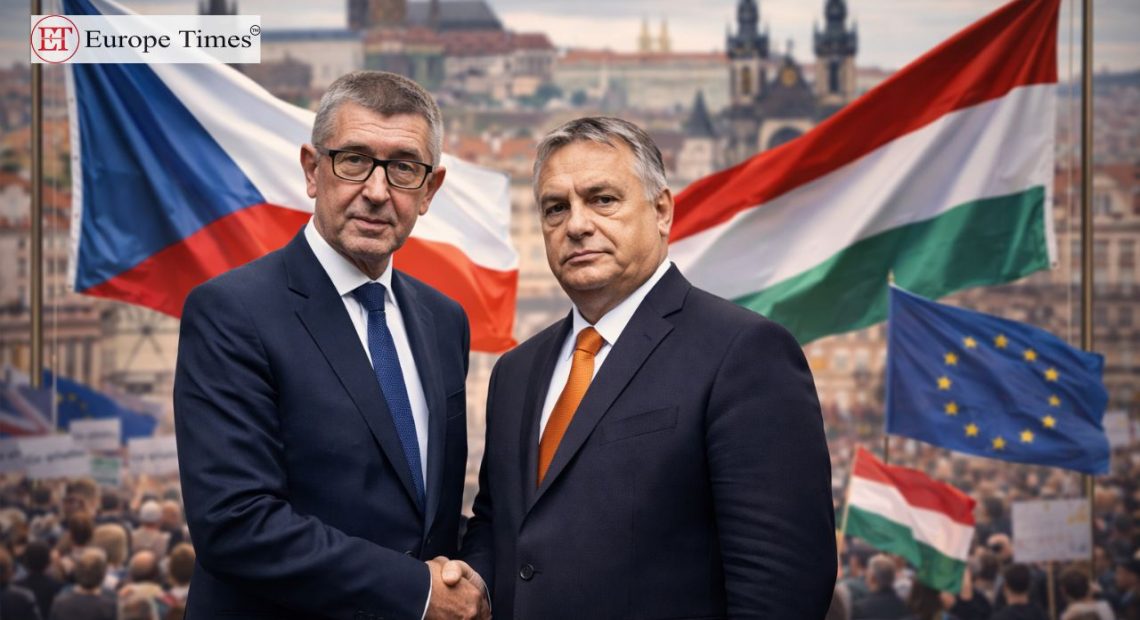
Andrej Babiš has voiced strong support for Viktor Orbán ahead of Hungary’s parliamentary election, calling him the best choice for stability and national interests during uncertain times. Babiš praised Orbán’s stance on sovereignty and competitiveness, emphasizing the importance of experienced leadership amid ongoing geopolitical tensions.

Opinion polls suggest Orbán, who has led Hungary for over 16 years, faces a serious challenge from opposition leader Péter Magyar. Orbán’s tenure has been marked by frequent clashes with the European Union and relatively closer ties with Russia, making the upcoming election a significant political moment for the region.

Since returning to power, Babiš has aligned more closely with Orbán in European politics, including within their shared parliamentary grouping. His government has reduced support for Ukraine and taken positions that diverge from broader EU policies, while proposing reforms critics say could mirror Hungary’s approach to governance. Despite this, the Czech Republic continues to maintain a comparatively moderate stance on Russia.

Pic courtesy: google/ images are subject to copyright

featured News Trending

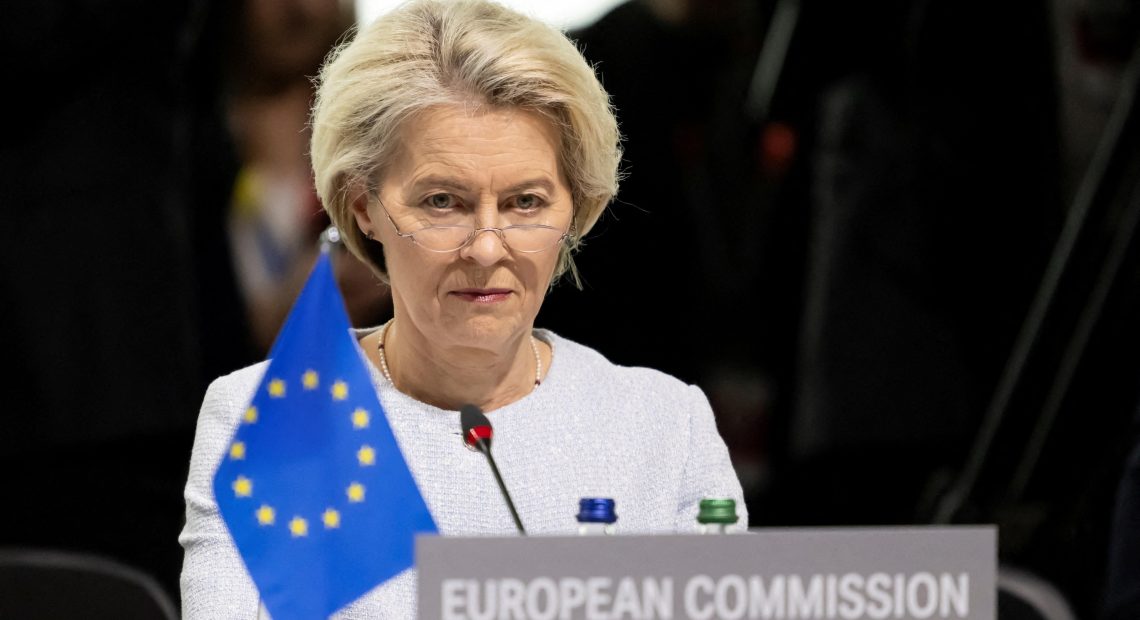
On Thursday, Members of the European Parliament (MEPs) are set to decide whether Ursula von der Leyen will serve a second term as European Commission president. Despite her recent efforts to garner support, the outcome of the vote, scheduled for 13:00 in Brussels (11:00 GMT), remains uncertain.

Von der Leyen was officially nominated by European leaders at a June summit in Brussels, despite opposition from Italy’s Prime Minister Giorgia Meloni, who abstained and criticized the exclusion of certain parties from the decision-making process.

Securing 361 votes is crucial for von der Leyen’s reconfirmation. While support from her center-right European People’s Party (EPP), the Socialists & Democrats, and the liberal Renew group is expected, the secret ballot nature allows MEPs to vote based on personal rather than party lines.

Several Irish MEPs from centrist parties plan to vote against von der Leyen due to her stance on the Gaza conflict. Some French MEPs within her own EPP group have also expressed dissent.

To secure votes, von der Leyen has conducted private meetings with various parliamentary groups, with mixed success. Left-wing MEPs have decided against her due to concerns over military spending, while she has garnered tentative support from some right-wing European Conservatives and Reformists (ECR) members.

Italian Prime Minister Meloni, leading the ECR, is awaiting von der Leyen’s address before deciding how to instruct her 24 Italian MEPs. Reports suggest she may endorse von der Leyen in exchange for a senior Commission role for Italy.

The newly formed Patriots for Europe, led by Hungary’s Viktor Orban and including far-right leaders from France, Austria, and the Netherlands, has refused to support von der Leyen.

If von der Leyen fails to secure MEPs’ approval, EU leaders will need to propose a new candidate, potentially restarting the selection process.

Von der Leyen initially took office in a close vote five years ago, overcoming political deadlock among EU leaders.

Picture Courtesy: Google/images are subject to copyright