
featured News Trending

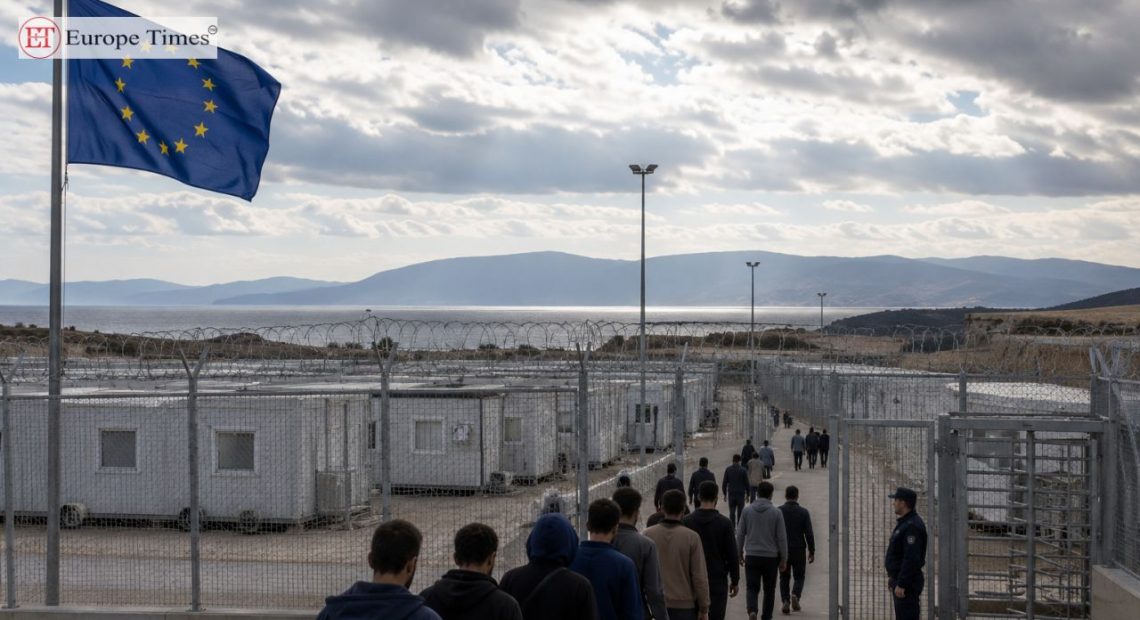
The European Union has reached a political agreement on new migration rules that would allow member states to send rejected asylum seekers and visa overstayers to “return hubs” located outside the EU. The proposal, aimed at improving deportation enforcement, comes as European governments face growing political pressure to curb irregular migration despite a decline in arrivals over the past year.
Under the new framework, authorities would gain expanded powers, including longer detention periods, the collection of biometric data, searches of premises, and penalties for migrants who do not cooperate with deportation procedures. EU officials argue the measures are necessary because only a small percentage of people ordered to leave the bloc currently do so.

Human rights organizations and opposition lawmakers have strongly criticized the plan, warning it could lead to abuses and undermine migrant rights. Critics say the rules resemble aggressive immigration enforcement practices seen elsewhere and could increase detentions, home searches, and transfers to third countries with limited safeguards. The legislation still requires formal approval from EU governments and the European Parliament.

Pic courtesy: google/ images are subject to copyright

News Trending

France’s President Emmanuel Macron has called a snap parliamentary election after a significant defeat by the far-right National Rally party, led by Marine Le Pen and Jordan Bardella, in the European elections. This unexpected move came as exit polls indicated that the National Rally secured over 30% of the vote, double that of Macron’s centrist Renaissance party. While France’s far-right victory was notable, the broader European election narrative saw the centre-right parties strengthening their hold on the EU Parliament, achieving successes in countries like Germany, Greece, Poland, and Spain.

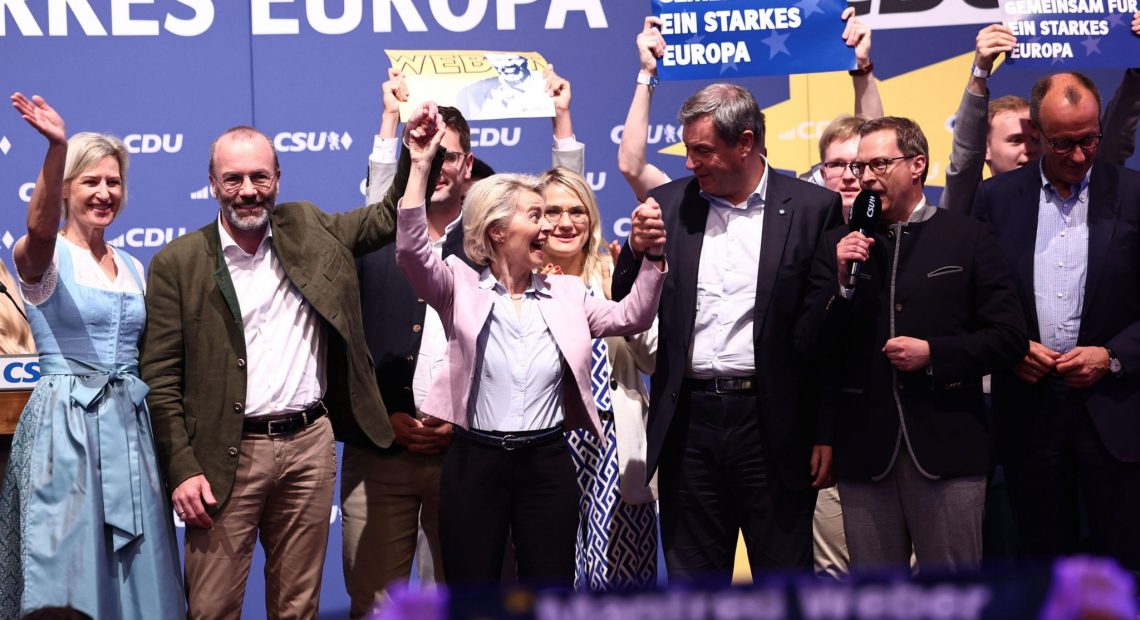
Ursula von der Leyen, head of the European Commission and a prominent figure in the centre-right European People’s Party (EPP), highlighted that despite gains by both far-left and far-right factions, the centre-right remained a stabilizing force. Von der Leyen reaffirmed the EPP’s commitment to alliances only with the Socialists & Democrats and the liberal Renew group, excluding any collaboration with far-right groups.

Germany’s elections saw the conservative CDU come out on top, whereas Chancellor Olaf Scholz’s SPD experienced its worst-ever European election result, finishing behind the far-right Alternative for Germany (AfD). In Italy, Giorgia Meloni’s far-right Brothers of Italy continued their dominance, while in Austria, the Freedom Party was poised for an unprecedented victory in the European vote.

Elsewhere, Hungary witnessed a new challenge to Prime Minister Viktor Orban’s dominance with the rise of Peter Magyar’s centre-right Tisza party. Spain’s centre-right Popular Party narrowly defeated the Socialists, while far-right Vox came in third. In Denmark, the opposition Green-Left party achieved a surprise victory, and in Slovakia, the liberal Progressive Slovakia party triumphed over the ruling Smer party.

Overall, while the far-right made notable gains in specific countries, particularly France, their surge was less pronounced across Europe than anticipated. The centre-right’s consolidation of power, however, underscores a continuing preference for more moderate political forces in the EU.

Picture courtesy: Google/images are subject to copyright