featured News Trending

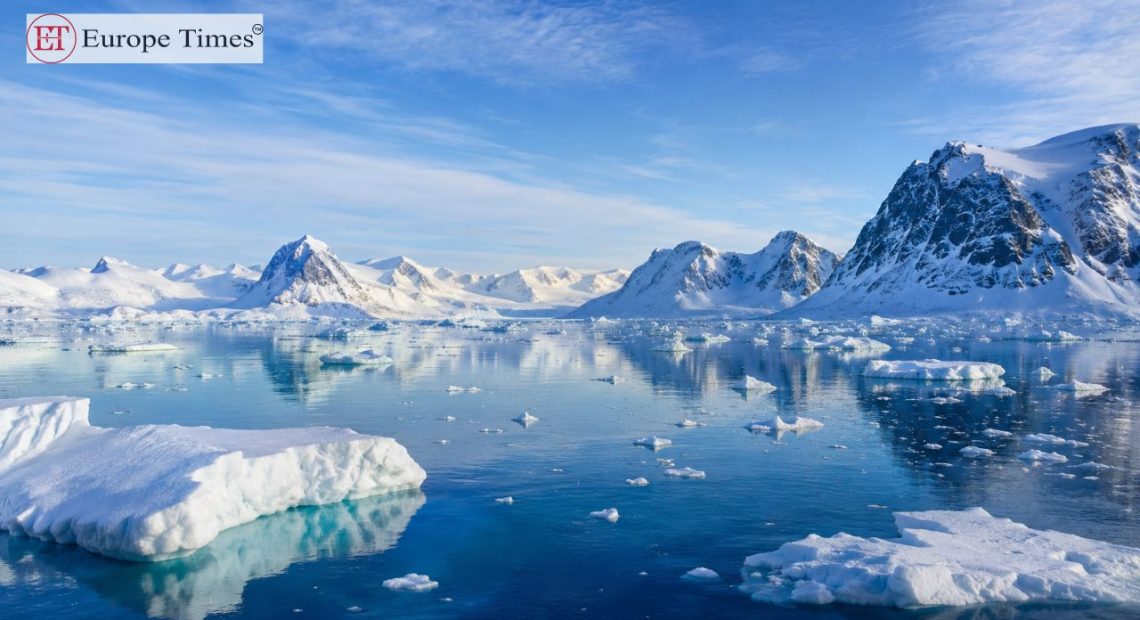
Renewed global attention on Greenland following comments by Donald Trump about acquiring the Arctic territory is driving fresh business interest and investment opportunities. Danish export credit agency EIFO said tourism is likely to deliver quicker economic benefits and job creation for Greenland compared to large-scale mining projects, which still face regulatory and environmental challenges.

Officials say Greenland’s growing tourism sector could benefit from expanding infrastructure, including a new international airport near Ilulissat and improved facilities around Disko Bay, a region known for Arctic scenery, wildlife, and cruise tourism. EIFO is supporting studies focused on increasing visitor capacity, improving transport links, and distributing tourism activity more evenly across the island. Analysts believe the heightened international attention has created a stronger sense of urgency around investment opportunities in the region.

At the same time, interest in Greenland’s rare earth minerals and natural resources continues to grow, especially from the European Union and the United States. However, Greenland Prime Minister Jens-Frederik Nielsen stressed that environmental protection would remain a top priority despite rising foreign interest. Experts say major mining projects may still require political guarantees and public-sector support before becoming commercially viable at scale.

Pic courtesy: google/ images are subject to copyright

News Trending

Swiss women who won a landmark climate change ruling at the European Court of Human Rights (ECHR) are feeling shocked and betrayed by their parliament’s refusal to comply with the decision. These women, referred to as the “climate seniors,” had previously argued in Strasbourg, France, that the Swiss government’s inadequate response to climate change, particularly extreme heat events linked to global warming, was harming their right to health and life.

In April, the court sided with them and mandated Switzerland, which has yet to meet its greenhouse gas emission reduction targets, to take more action. The court’s rulings are binding for member states, making this decision unprecedented. Climate activists had hoped it would set a precedent for using human rights law to protect citizens from health harms caused by worsening environmental conditions.

However, on Wednesday, the Swiss parliament voted against adhering to the ECHR’s ruling, claiming Switzerland already had an effective climate strategy in place. The parliamentary debate was emotionally charged, with right-wing politicians criticizing what they saw as overreach by “foreign judges,” while Green Party members condemned the discussion as “shameful” and “populist.”

Despite Switzerland’s struggles to meet its Paris Climate Agreement goals, which aim to limit global warming to 1.5°C above pre-industrial levels, opinion polls show many Swiss are concerned about climate change. The Alpine region is particularly vulnerable, with studies indicating that its glaciers, crucial to Europe’s water supply, could vanish by the century’s end if temperatures continue to rise.

The Swiss value their direct democracy system and prefer making decisions themselves, which explains why the “foreign judges” argument resonates with them. Recently, voters supported government proposals to increase renewable electricity production, though environmental groups argue these measures are insufficient to meet climate goals. Polls show a majority of Swiss voters oppose the ECHR’s involvement, believing the country is already doing enough to protect the environment.

Other nations, particularly the United Kingdom, are closely watching Switzerland’s rejection of the ECHR ruling. The UK government has faced pushback from the Strasbourg court over its plan to deport asylum seekers to Rwanda, leading some British voters to suggest leaving the court. However, such a move is unlikely in Switzerland, at least for now.

The final decision on whether to comply with the ECHR’s climate ruling rests with the Swiss government, which will announce its verdict in August. The ECHR did not specify what Switzerland must do, only that it must take more action. In a typical Swiss compromise, the government might present a list of measures taken since the climate seniors began their case, hoping for acceptance. If not, the climate seniors may return to court.

Picture Courtesy: Google/images are subject to copyright