
featured News Trending

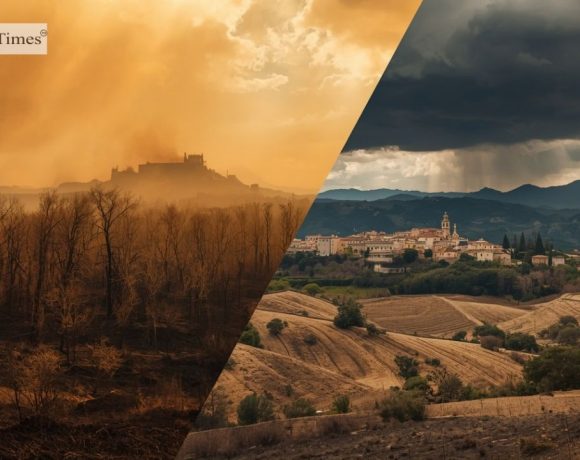
Spain is facing mounting climate-related pressures, with severe wildfires, rising temperatures, droughts and floods affecting communities and the economy. Around 300,000 hectares of land have been burned in Spain this year, while farmers in affected regions have suffered major losses to livestock, crops and pasture.

Rising temperatures are also affecting Spain’s tourism sector. The country experienced 61 days of heatwaves this year, with cities such as Toledo recording temperatures above 40°C on several occasions. Tourism workers are adapting by changing tour schedules, providing more water and shade, while some visitors are increasingly choosing cooler destinations and travelling during spring and autumn.

Drought and extreme rainfall are adding further challenges. Catalonia introduced water-use restrictions after years of low rainfall, while devastating floods in Valencia in 2024 caused 237 deaths and an estimated €4.5 billion in direct damage. Economists say climate change could weigh on economic activity, although investment in a greener economy could also create new jobs and opportunities.

Pic courtesy: google/ images are subject to copyright
featured News Trending

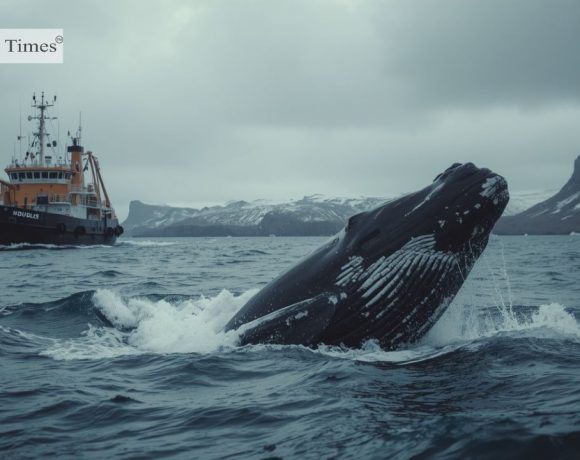
Iceland’s only remaining active whaling company, Hvalur, says it can survive renewed efforts to permanently ban commercial whaling. The government has announced plans to submit a bill in February that could bring an end to the practice in Iceland, one of only three countries alongside Norway and Japan that still permit commercial whale hunting.

Hvalur operates two catcher boats and employs around 150 people during the whaling season, which runs from early June to late September. The company has caught 85 fin whales so far this season, against a government quota of 150.

The proposed ban remains controversial in Iceland, where public opinion is divided. Fin whales, the industry’s main target, are classified as vulnerable globally by the IUCN, although their North Atlantic population is considered healthy enough to support managed harvesting.

Pic courtesy: google/ images are subject to copyright
featured News Trending

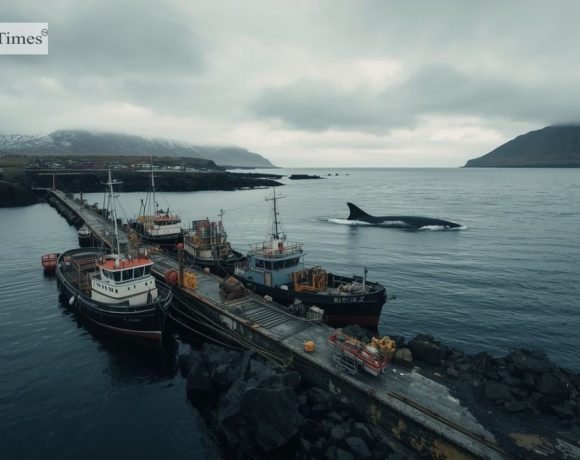
Iceland’s government plans to introduce a bill in February that would permanently ban commercial whaling, a move that could leave Norway and Japan as the world’s only countries continuing the practice. The government, which holds a parliamentary majority, said there is significant political and public support for the proposed ban. Whaling in Iceland has faced years of opposition from animal welfare and conservation groups.

Iceland’s current whaling season runs from June to around the end of September, with 80 fin whales reportedly caught as of September 9 against an annual quota of 150. Fin whales, the main target of Iceland’s whaling industry, are classified as vulnerable by the International Union for Conservation of Nature. Animal welfare groups have welcomed the proposed legislation, citing ethical, legal and conservation concerns.

Iceland, Norway and Japan are the only countries known to have conducted commercial whaling in recent years. Norway resumed commercial whaling in 1993, while Iceland restarted in 2006 despite an international moratorium introduced in 1986. Japan withdrew from the International Whaling Commission in 2019 and resumed commercial whaling within its waters, while indigenous communities in some regions remain exempt from the moratorium for cultural and nutritional reasons.

Pic courtesy: google/ images are subject to copyright
featured News Trending

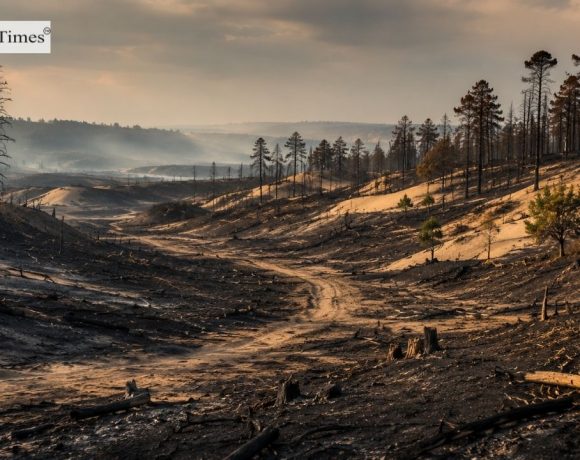
Serbia’s Deliblatska Pescara reserve is facing difficult choices after a major wildfire damaged large areas of its unique dunes and woodlands. Foresters are now working on a long-term restoration plan, while considering how to make the landscape more resilient as hotter and drier conditions increase the risk of future fires.

Experts say the recovery could take decades. Damaged trees must be gradually removed to prevent them from fuelling new fires or attracting bark beetles, while foresters consider replacing highly flammable conifers with species such as birch, poplar, ash and oak. Some experts have advised waiting three to five years in areas without immediate erosion risks before undertaking large-scale replanting.

The challenge reflects a broader shift in Serbia’s fire patterns. Data from the European Forest Fire Information System shows that 2023–2025 was the country’s worst three-year period for fires this century. Forestry experts are increasingly looking toward methods used in traditionally drier regions, including techniques to retain soil moisture and improve the survival of newly planted trees.

Pic courtesy: google/ images are subject to copyright
featured News Trending

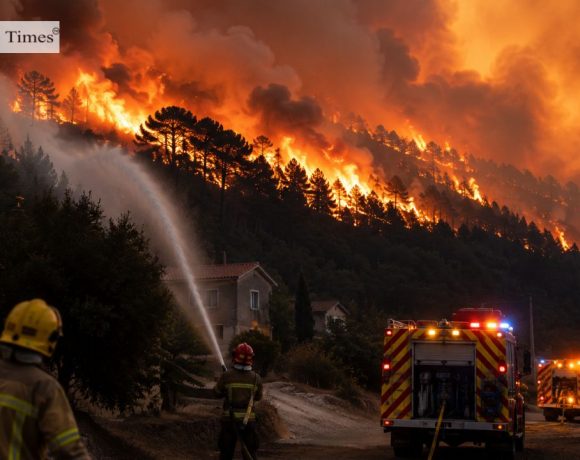
Firefighters in Spain and France are battling major wildfires as extreme heat and dry conditions continue to grip southern Europe. Spain’s largest wildfire of the year has scorched around 32,000 hectares in Guadalajara, though the blaze has begun to stabilise, allowing some evacuated residents to return home. In France, firefighters are working to contain multiple fires, including one in the Var region that has burned thousands of hectares and forced hundreds of people to evacuate.

Authorities have blamed the combination of intense heat, drought, and human activity for the growing number of fires. Two firefighters lost their lives in southwest France after their vehicle was engulfed by flames, while officials have imposed barbecue bans and urged the public to avoid activities that could spark new fires. Spain has already recorded 22 major wildfires this year, burning more than 100,000 hectares nationwide.

Scientists warn that climate change is increasing the frequency and intensity of heatwaves, droughts, and wildfires across Europe. While some regions are expected to see a brief drop in temperatures, weather agencies caution that fire risks remain extremely high and another surge in heat is likely in the coming days.

Pic courtesy: google/ images are subject to copyright

featured News Trending

France’s record-breaking late-June heatwave has placed immense pressure on funeral homes, hospitals, and elderly care facilities as excess deaths continue to rise. Funeral director Gautier Caton said his company received bodies at up to three times the normal rate, forcing him to rent refrigerated containers and even assist overcrowded funeral services in Paris.

Preliminary figures show at least 2,025 excess deaths during the heatwave, with temperatures reaching 43.8°C. Authorities said deaths increased sharply in Paris and several other regions, exposing the growing risks posed by extreme heat, an ageing population, and inadequate infrastructure despite improvements made after the deadly 2003 heatwave.

Experts and healthcare workers say France needs long-term investment in cooling hospitals, nursing homes, and public facilities to better cope with increasingly frequent heatwaves. Many elderly care homes still lack sufficient air-conditioned spaces, while officials warn that the final death toll could rise further as more data becomes available.

Pic courtesy: google/ images are subject to copyright
featured News Trending

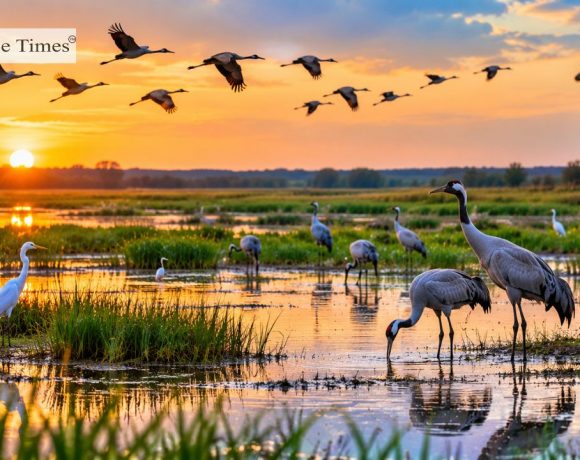
Hungarian authorities are channeling millions of cubic metres of water into the marshes of Hortobágy National Park, a UNESCO World Heritage Site, to prevent the wetlands from drying out during a severe drought. The protected area in eastern Hungary is an important habitat for migratory birds and a popular destination for nature tourism.

Officials said around 2 million cubic metres of water have already been diverted into the marshland, preventing the area from drying up completely. The same wetlands dried out entirely during the 2022 drought, leading to wildfires that destroyed more than 800 hectares of land.

Conservation experts warn that climate change, declining groundwater levels, and reduced rainfall are altering bird migration patterns and threatening the long-term health of the ecosystem. They say sustainable water management and better conservation measures will be essential to protect the wetlands and the wildlife that depends on them.

Pic courtesy: google/ images are subject to copyright
featured News Trending

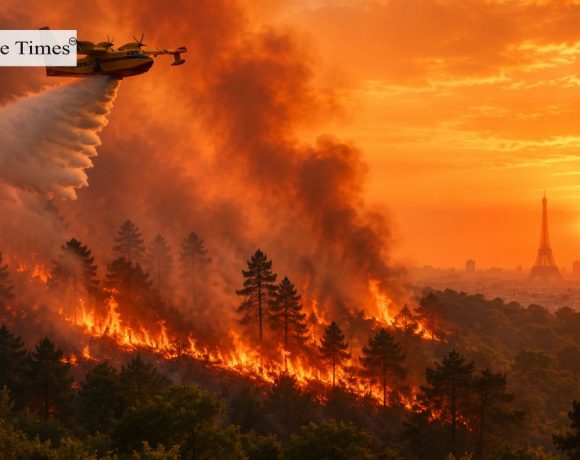
A massive wildfire swept through the historic Fontainebleau forest near Paris on Monday, forcing the closure of the A6 highway and disrupting high-speed rail services. Hundreds of firefighters, supported by water-bombing aircraft, were deployed to contain the blaze as France faced its third major heatwave of the summer. Authorities said the fire appeared suspicious, with multiple ignition points suggesting it may have been deliberately started.

The extreme heat has also worsened wildfire conditions across southern Europe. In Spain, the death toll from a devastating wildfire in Almeria has risen to 13 after a 93-year-old British woman died from burn injuries, while several people remain missing. France has placed around 26 million people under a red heatwave alert, and Italy is preparing for another prolonged spell of high temperatures, with some regions expected to reach 43°C.

Scientists warn that climate change is increasing the frequency and intensity of heatwaves and wildfires across Europe. The latest heatwave has already been linked to thousands of excess deaths, particularly among older adults, while extreme weather has disrupted agriculture, transport and energy production across several countries. Health experts have cautioned that further heatwaves could bring even greater risks in the coming weeks.

Pic courtesy: google/ images are subject to copyright
featured News Trending

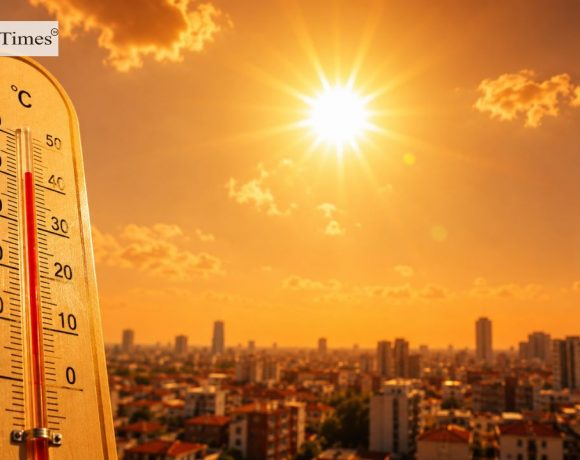
The World Health Organization (WHO) has warned that Europe could face “more deadly weeks” as another powerful heatwave develops over the Atlantic. Temperatures in parts of Portugal and southern Spain are expected to reach as high as 43°C in the coming days. WHO Regional Director for Europe Hans Kluge urged governments to strengthen preparedness, noting that countries with established heat-health action plans responded more effectively during the recent extreme weather.

The previous heatwave, which swept across Europe between June 20 and June 28, is considered by experts to be the most severe ever recorded in the region. The intense heat disrupted power generation, damaged infrastructure, strained healthcare systems, and contributed to around 3,700 preliminary excess deaths in France, the Netherlands, and Belgium. Scientists have linked the record-breaking temperatures largely to climate change.

The WHO emphasized that vulnerable groups, including elderly people living alone, care home residents, and homeless individuals, continue to face the greatest risks during prolonged heat events. With fewer than half of the WHO’s European member states having comprehensive heat-health action plans, the organization is urging governments to improve emergency preparedness and build more resilient healthcare systems ahead of future heatwaves.

Pic courtesy: google/ images are subject to copyright
featured News Trending

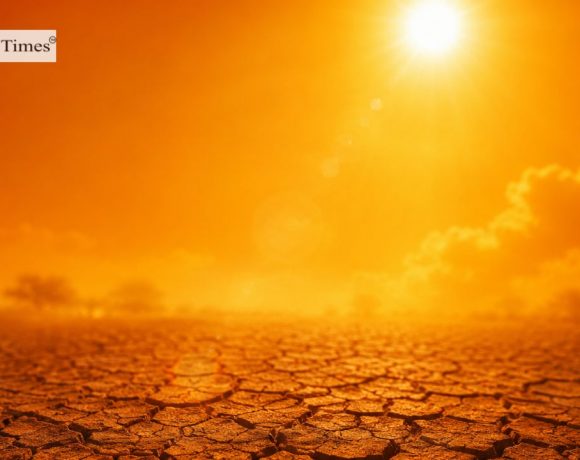
A powerful “Omega” heatwave continues to grip Western Europe, breaking temperature records and causing widespread disruption across several countries. Britain recorded its hottest June temperature ever at 36.1°C, while Paris reached a record 40.9°C. Italy placed 16 cities on its highest heat alert as forecasters warned that extreme conditions could persist through the weekend.

The severe heat has claimed dozens of lives, with France reporting at least 50 deaths linked to the heatwave, including drowning incidents and heat-related fatalities. Spain also recorded deaths from heatstroke, while soaring temperatures affected power supplies, reduced nuclear plant output, disrupted transport networks, and forced schools, tourist attractions, and public events to close or scale back operations.

Meteorologists say the heatwave is being driven by an “Omega block” weather pattern that traps hot air over regions for extended periods. Experts warn that climate change is increasing the frequency and intensity of such extreme weather events. With Europe warming faster than the global average, authorities across the continent are urging residents to take precautions as temperatures remain dangerously high.

Pic courtesy: google/ images are subject to copyright