News Trending

Train drivers across Germany have initiated a strike, set to endure six days, making it the longest stoppage in their history. The GDL rail drivers’ union called for the walkout, impacting both passenger and goods-train services starting at 02:00 on Wednesday. This move exacerbates an ongoing dispute with the state-owned Deutsche Bahn, leading to the fourth round of strikes since November.

The union’s demands include higher wages to counter inflation and a reduction in the working week from 38 to 35 hours without a salary decrease. Deutsche Bahn has implemented an emergency timetable until the strike concludes at 18:00 on Monday, affecting passenger trains for an unprecedented 136 hours, including a weekend for the first time. The strike has caused significant disruptions, with 80% of long-distance trains canceled and substantial delays in regional and suburban S-Bahn rail services.

The extended industrial action has prompted complaints from the rail company and ministers, asserting its adverse effects on both the German economy and the public. Tanja Gönner, head of the Federation of German Industries, estimated that the six-day strike could cost the economy up to €1bn. Transport Minister Volker Wissing urged the union to seek a compromise through mediation, acknowledging the current deadlock in negotiations.

Amid the strike, a YouGov survey revealed that only 34% of over 4,000 German adults understood the reasons behind the strike, while 59% expressed a lack of understanding. Talks between the GDL union and Deutsche Bahn have been ongoing since November, with the company rejecting the union’s proposal for a three-hour reduction in the working week. Instead, Deutsche Bahn suggested an optional model involving one hour less work with no pay cut or a 2.7% pay raise, an offer rejected by the GDL.

Picture Courtesy: Google/images are subject to copyright

News Trending

In Greece, conservative ex-Prime Minister Kyriakos Mitsotakis is seeking a strong majority as voters head to the polls for the second time in a month. Mitsotakis emerged victorious in May’s election and called for new elections in order to govern without coalition partners.

Despite a recent migrant boat tragedy that claimed the lives of an estimated 500 people, the incident has had minimal impact on the election campaign. Mitsotakis’s New Democracy party secured a significant 20-point lead over the center-left Syriza party, led by former Prime Minister Alexis Tsipras, and he is confident of a repeat victory that would grant him a second term. Voting will continue until 19:00 (16:00 GMT).

Mitsotakis argues that a stable government requires a majority of more than 150 seats in the 300-seat parliament. Notably, the winning party in this election will be awarded between 20 and 50 bonus seats, potentially bolstering Mitsotakis’s mandate. Recognized for stabilizing and fostering growth in the Greek economy following a severe debt crisis and multiple bailouts, Mitsotakis has established a resilient image despite facing various crises over the past year.

Tsipras faces a challenging task in this election, with Mitsotakis focusing on his accomplishments and promising lower taxes and improved public health. The two leaders diverged in their responses to the recent migrant boat sinking, with Mitsotakis defending the coastguard and condemning people smugglers, while Tsipras raised concerns and highlighted his government’s previous focus on preserving human life during the 2015 European migrant crisis.

Greek voters’ views on migration have shifted toward stricter and more conservative policies since the 2020 migration crisis on the Evros River, which reinforced perceptions of migration as an external threat to national sovereignty. Additionally, Mitsotakis benefits from the fragmentation of the Greek left, with the Socialists now the third political force in Greece, making it unlikely for left-of-center parties to form a coalition with the conservatives.

Picture Courtesy: Google/images are subject to copyright

News Trending

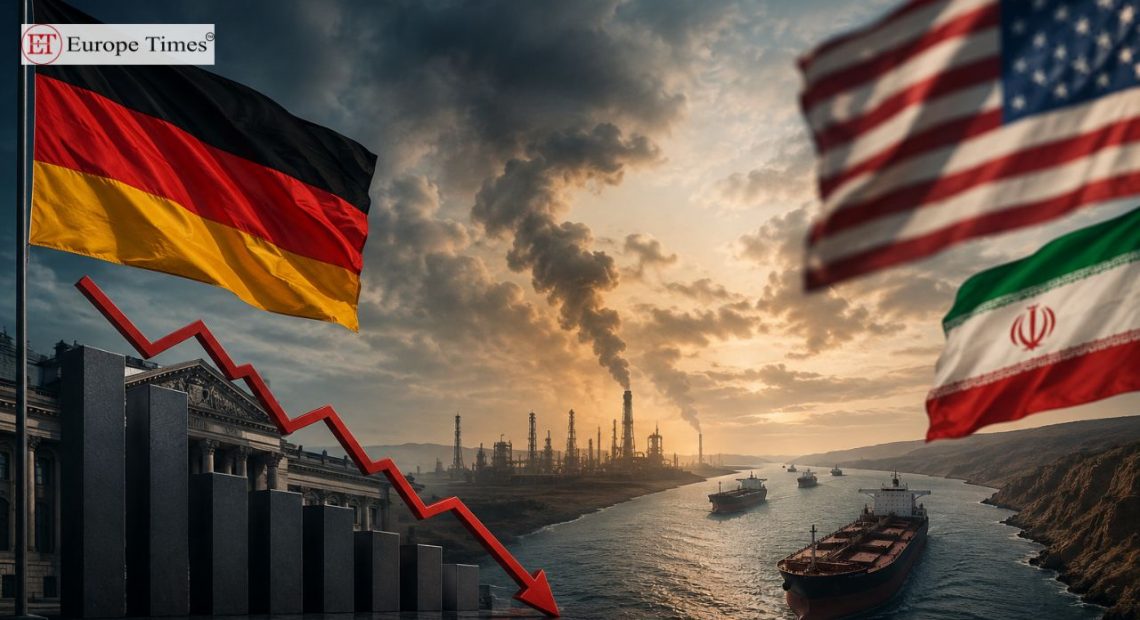
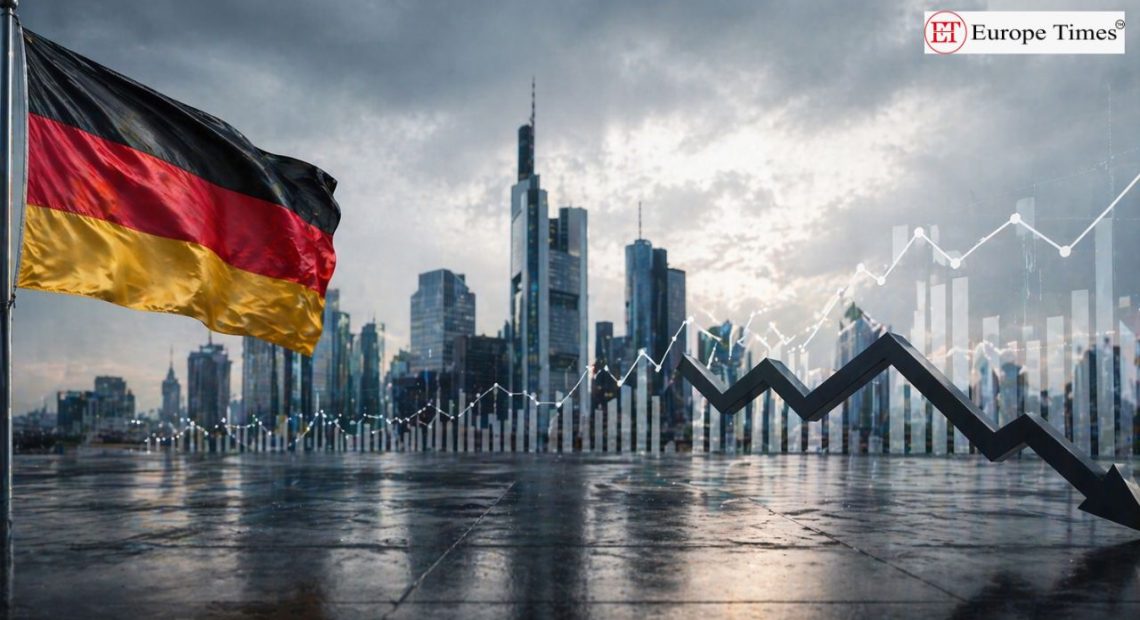
Germany has entered into a recession in the first quarter of the year due to persistent inflation, according to updated growth data. The country’s economy contracted by 0.3% between January and March, following a 0.5% contraction in the previous three months.

The halt in Russian gas supplies after the invasion of Ukraine also had a significant impact on Germany. High inflation, with an April rate of 7.2%, has led to reduced household spending on various goods and weaker industrial orders. The revised figures indicated declines in household and government spending, as well as a drop in car sales after the reduction of government grants for electric and hybrid vehicles. Private sector investment and exports showed some improvement but were insufficient to prevent Germany from entering a recession.

Although the recession was less severe than expected, analysts predict weak economic performance to continue in the second quarter of 2023. The Bundesbank anticipates modest growth in the April to June quarter, driven by an industry rebound offsetting stagnant consumer spending.

The International Monetary Fund (IMF) projects Germany to be the weakest among advanced economies, with a predicted contraction of 0.1% this year, while upgrading its forecast for the UK to a growth of 0.4%.

Picture Courtesy: google/images are subject to copyright

International Trade News

As severe economic crisis arises, Argentina has imposed currency controls, to support economy and to stabilise the markets.

Some temporary measures have been announced on Sunday which allows the government to restrict foreign currency purchases. This causes a sharp drop in the super-sensitive peso.

Central bank permission will be required for the firms for selling pesos to buy foreign currency and to make transfers abroad.

The Central bank and Macri’s government are highly backing confidence in financial markets ahead of the presidential election on October 27.

In order to deal with the economic crisis, Argentina is also trying to postpone debt payments to the IMF (International Monetary Fund).

The government on Sunday said that “a series of extraordinary measures to ensure the normal functioning of the economy, to sustain the level of activity and employment and protect the consumers” was necessary to be adopted.

Image courtesy: irishtimes .com/ / images are subject to copyright