

featured News Trending

Sexually transmitted infections (STIs), specifically gonorrhea and syphilis, have reached their highest levels in over a decade across Europe, according to the latest data from the European Centre for Disease Prevention and Control (ECDC). In 2024, confirmed cases of gonorrhea spiked to 106,331—marking a staggering 303% increase since 2015—while syphilis cases more than doubled over the same period to reach 45,557. Health authorities pointed to widening gaps in testing and prevention as primary drivers behind the rapid transmission, warning that these untreated infections can lead to severe health complications such as chronic pain, infertility, and neurological damage.
The epidemiological data reveals that men who have sex with men remain the group most disproportionately impacted by the steepest long-term rises in both diseases. However, the ECDC also highlighted worrying demographic shifts, including significant increases in syphilis among heterosexual women of reproductive age. Of even greater concern to health officials is that congenital syphilis cases—where the infection passes directly from mother to newborn, causing lifelong complications—nearly doubled between 2023 and 2024. Geographically, Spain recorded the highest burden among participating European nations, documenting 37,169 cases of gonorrhea and 11,556 cases of syphilis.

While chlamydia remains the most frequently reported bacterial STI overall despite a 6% decline since 2015, individual state data from non-ECDC members like the UK echoes the broader continental surge. Post-Brexit figures for England revealed 71,802 gonorrhea cases, 9,535 syphilis cases, and 168,889 chlamydia diagnoses over a 12-month period in 2024. To combat the escalating crisis, health agencies are emphasizing straightforward prevention measures like proper condom use and regular testing, while the UK has notably pioneered defensive measures by rolling out a world-first gonorrhea vaccine initiative.

Pic courtesy: google/ images are subject to copyright

News Trending

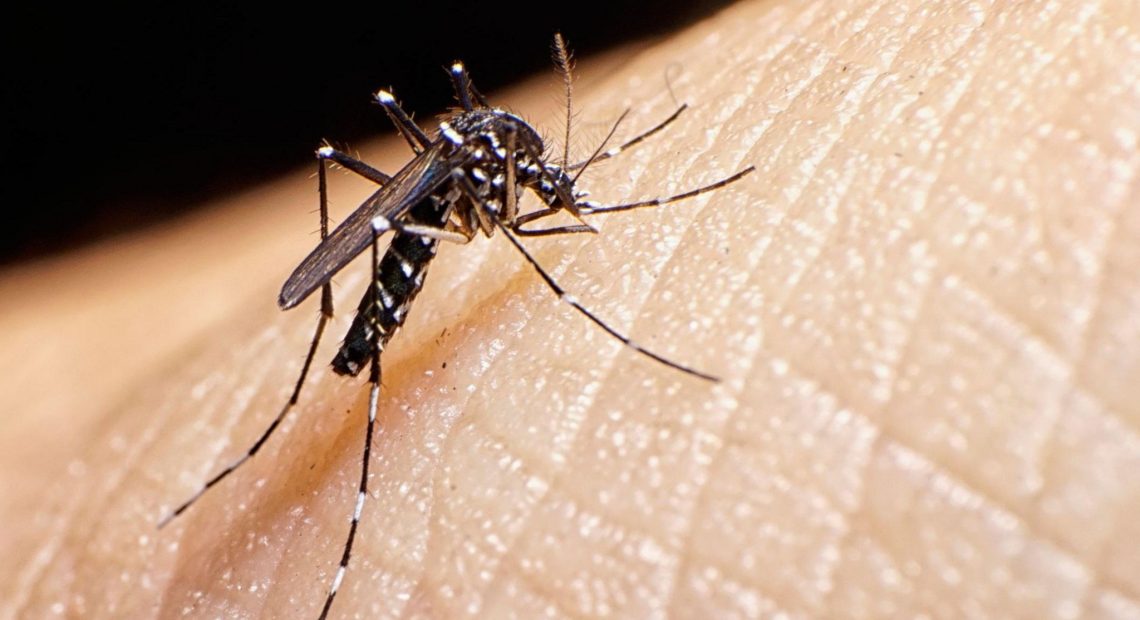
An invasive species of mosquito has established itself in 13 EU countries, including France, Spain, and Greece, leading to a rise in dengue fever cases in Europe. The European Centre for Disease Prevention and Control (ECDC) attributes this spread to climate change, which has created favorable conditions for the Asian tiger mosquito (Aedes albopictus). This species, considered the most invasive mosquito globally, is now spreading northwards, even reaching Paris, where authorities are actively monitoring and trapping the insects ahead of the Olympic Games in July.

The ECDC warns that international travel will likely increase the risk of further outbreaks in Europe. To mitigate this, it advises people to remove stagnant water from gardens and balconies, use insect repellent, and install screens on windows and doors. The tiger mosquito, which transmits diseases like dengue fever, chikungunya, and Zika virus, has become prevalent in countries such as Austria, Bulgaria, Croatia, France, Germany, Greece, Hungary, Italy, Malta, Portugal, Romania, Slovenia, and Spain, and has been reported in Belgium, Cyprus, Czechia, the Netherlands, and Slovakia.

Another mosquito species, Aedes aegypti, which spreads yellow fever, has been found in Cyprus and poses a significant threat to other parts of Europe due to its preference for biting humans and its disease transmission capabilities. Dengue fever, which can escalate from flu-like symptoms to severe, sometimes fatal conditions, has seen increasing outbreaks in Europe. Last year, multiple infections were recorded in France, Italy, and Spain, with a total of 130 locally-acquired cases, up from 71 the previous year.

The West Nile virus, also transmitted by mosquitoes, is now more widespread in Europe, with a case reported in southern Spain as early as March, indicating that climate conditions are becoming suitable for mosquitoes much earlier in the year. ECDC Director Andrea Ammon emphasizes the need for personal protective measures, early case detection, timely surveillance, further research, and awareness-raising activities in high-risk areas. With dengue fever endemic in over 100 countries and malaria posing the deadliest mosquito-borne threat, concerns are growing about potential increases in malaria incidents in Europe if conditions remain favorable.

Picture Courtesy: Google/images are subject to copyright