
featured News Trending

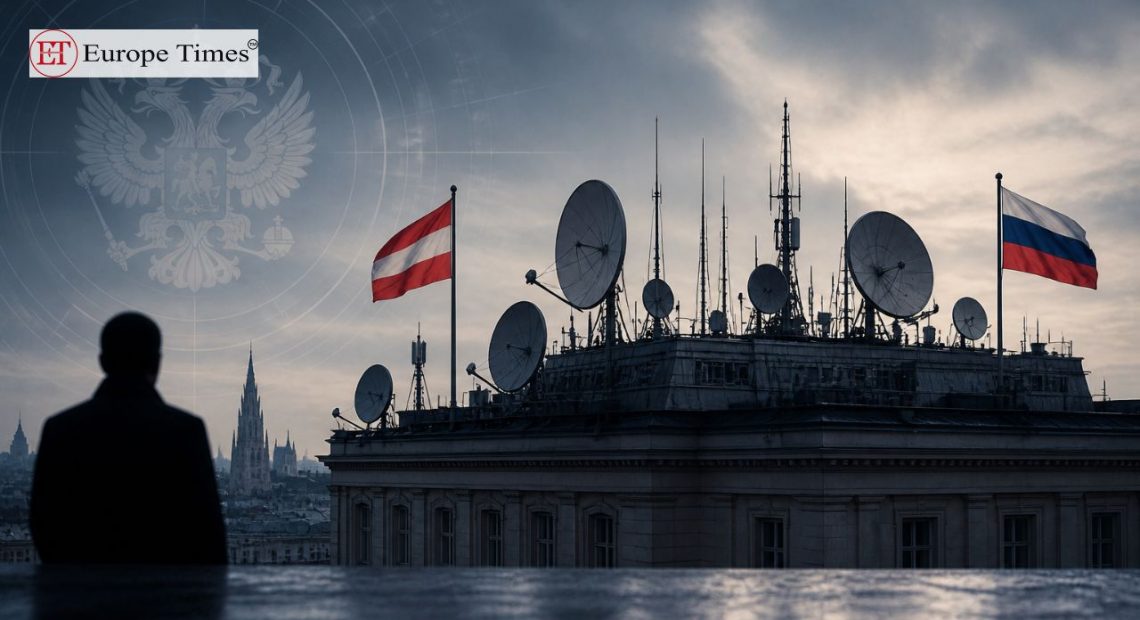
Austria has expelled three Russian diplomats over concerns they were involved in signals intelligence activities, citing suspicious satellite installations on diplomatic buildings in Vienna. Authorities flagged an “antenna forest” of satellite dishes, believed capable of intercepting communications, as a potential security threat.

Foreign Minister Beate Meinl-Reisinger said the misuse of diplomatic immunity for espionage was unacceptable, confirming the diplomats had already left the country. The move brings the total number of Russian diplomats expelled by Austria since 2020 to 14. While officials did not disclose detailed intelligence findings, concerns had reportedly been raised for years about the scale and nature of the installations.
Russia has reacted strongly, warning of a firm response. Vienna, home to major international bodies like the International Atomic Energy Agency and the Organization for Security and Co-operation in Europe, has long been known as a hub for diplomatic and intelligence activity due to its dense concentration of foreign missions.

Pic courtesy: google/ images are subject to copyright

News Trending

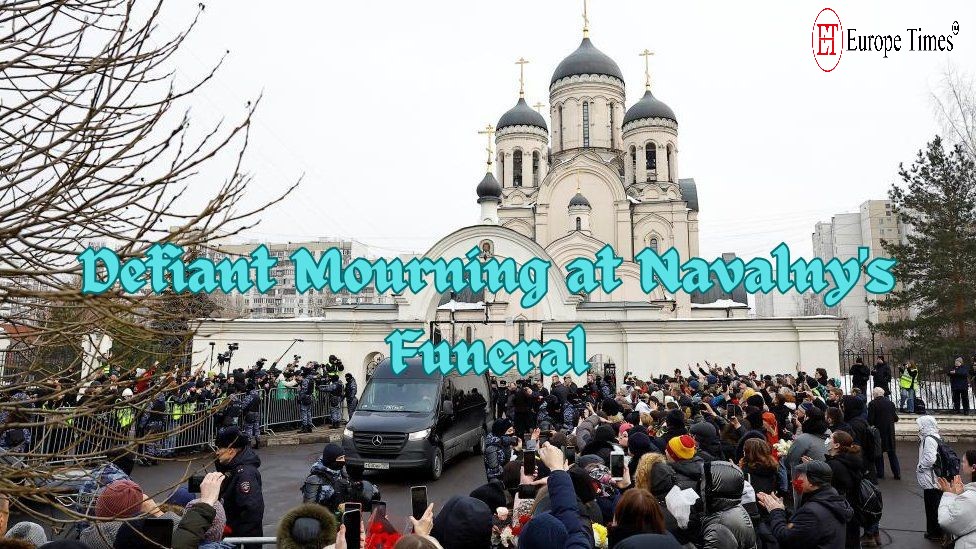
Hundreds of individuals in Russia gathered for the funeral of Alexei Navalny, the outspoken Putin critic who died in prison last month. Despite a substantial police presence and erected barricades, mourners broke into applause as Navalny’s body was brought into a church near Moscow. Attendees knowingly risked arrest for expressing support, while Navalny’s wife squarely pointed the finger at President Putin for his demise, contrary to Moscow’s claim of natural causes.

Navalny’s memorial service commenced at 14:00 Moscow time at the Church of the Icon of Our Lady Quench My Sorrows, with notable foreign diplomats present in solidarity. Following the service, Navalny was laid to rest at Borisovskoye Cemetery. Despite efforts to broadcast the event live, disruptions to mobile signals hindered streaming, leaving many unable to witness the proceedings.

Despite warnings from the Kremlin, mourners seized the opportunity to voice their admiration for Navalny’s bravery and questioned the authorities’ apparent fear. Navalny’s team encountered challenges in organizing the funeral, including difficulties in procuring a hearse. Supporters abroad were urged to participate in memorial services, reminiscent of past public displays of grief for opposition figures.

Concerns about surveillance and the potential for post-funeral detentions were widespread, with social media platforms sharing advice urging attendees to exercise caution. The gathering was marked by a sense of defiance against government crackdowns on dissent.

Navalny’s immediate family, excluding his children residing abroad, attended the ceremony. However, his widow, Yulia, faced potential arrest upon her return to Russia, further underscoring the risks associated with opposition activism in the country.

Picture Courtesy: Google/images are subject to copyright