
featured News

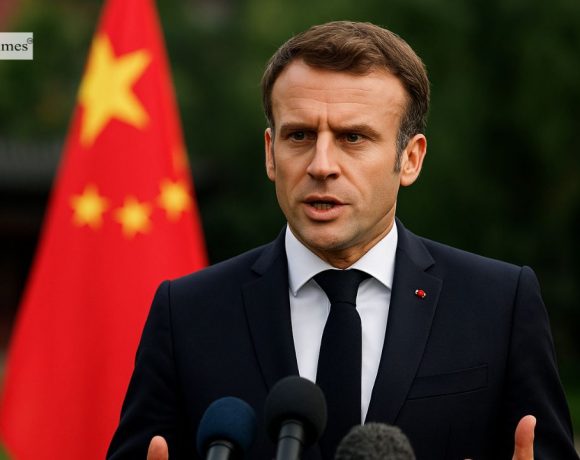
French President Emmanuel Macron reaffirmed that unity between Europe and the United States remains crucial in supporting Ukraine. Speaking during a visit to China, Macron dismissed suggestions that he had questioned Washington’s commitment to Kyiv, insisting there was “no mistrust” and underscoring that transatlantic cooperation is vital on the issue.

Macron welcomed the peace efforts led by the U.S. but highlighted that Europe must play a leading role alongside Washington. He noted that the United States “needs Europeans to lead these peace efforts,” reinforcing his stance that a collaborative approach is required to secure a sustainable resolution to the conflict.

The comments followed a report published by Germany’s Spiegel, alleging that Macron and German Chancellor Scholz were skeptical of U.S. diplomatic efforts. Macron strongly denied the claims, stating that an enduring peace would only be possible through joint efforts by Europe, the United States, Canada, Australia and Japan. “There is no scenario,” he said, “where peace in Ukraine is achieved without shared responsibility.”

Pic courtesy: google/ images are subject to copyright
featured News

King Charles welcomed German President Frank-Walter Steinmeier to Britain on Wednesday, marking the start of a three-day state visit aimed at reinforcing ties between the two nations. This is the first state visit by a German president in nearly three decades and follows Charles’ own inaugural overseas tour to Germany in 2023 after becoming king. The visit highlights a renewed effort to strengthen UK–EU relations in the post-Brexit era.

The king and Queen Camilla greeted President Steinmeier and his wife, Elke Büdenbender, in Windsor before joining a ceremonial carriage procession to Windsor Castle, accompanied by Prince William and Princess Kate. Steinmeier is also scheduled to meet Prime Minister Keir Starmer at Downing Street, followed by a state banquet at the castle later in the day. The trip comes shortly after German Chancellor Friedrich Merz’s visit in July, during which he signed a new treaty with Britain aimed at resetting diplomatic ties.

During the rest of the visit, Steinmeier will lay flowers at the tomb of the late Queen Elizabeth, view the historic State Sleigh designed by Prince Albert, and deliver an address to British lawmakers. He will also meet German footballers playing in the Premier League. On Friday, the German president and his wife will travel to Coventry—devastated by bombings during World War Two—where he will lay a wreath at the ruins of the old cathedral alongside the Duke of Kent, commemorating shared history and reconciliation.

Pic courtesy: google/ images are subject to copyright
featured News

French President Emmanuel Macron will travel to China from December 3 to 5 as Europe attempts to navigate a complex balance between economic dependence and strategic rivalry with Beijing. His agenda includes meetings with President Xi Jinping in Beijing and Chengdu, where he is expected to push for fairer trade conditions, stronger market access, and more balanced technological cooperation. The visit comes as EU-China relations face growing strain, with Brussels warning that ties have reached a critical turning point.

Europe’s concerns centre on China’s surge of low-cost exports—especially steel—and its dominance in electric vehicles and rare earth processing, which pose risks to key European industries. As Washington’s tariffs reshape global trade, China is positioning itself as a business-friendly alternative, even as EU leaders remain wary of Beijing’s support for Russia and its heavily subsidised industrial model. Macron’s team says he will press for a rebalanced relationship that encourages Chinese domestic consumption and shared innovation benefits.

The European Union is preparing a tougher economic security strategy, considering more assertive trade measures against China. France has backed higher tariffs on Chinese EV imports, triggering a year-long Chinese investigation into French brandy in what many saw as retaliation. Despite Airbus expanding its presence in China, a major aircraft deal is not expected during Macron’s trip, reflecting Beijing’s strategic use of aviation purchases in its broader geopolitical negotiations.

Pic Courtesy: google/ images are subject to copyright
featured News

Hungarian Prime Minister Viktor Orban has once again broken ranks with his EU and NATO partners by meeting Russian President Vladimir Putin in Moscow, just days before US-Russia discussions on the Ukraine war. Orban, one of Putin’s closest allies in Europe, has consistently opposed European efforts to isolate Russia, and his latest visit drew sharp criticism from EU leaders. Germany’s Chancellor Friedrich Merz said Orban was acting without any European mandate, calling his diplomacy “nothing new.”

During the meeting, Putin thanked Orban for offering Budapest as a venue for a potential Trump-Putin summit and praised Hungary’s “balanced position” on Ukraine. Hungarian Foreign Minister Peter Szijjarto said the visit secured guarantees for Russian oil and gas supplies and confirmed continued work on Hungary’s Paks nuclear plant. The atmosphere, however, appeared tense, with reports of awkward interactions and suggestions from Hungarian media of mistranslated remarks meant to paint a friendlier picture.

Orban, facing a tough parliamentary election next April, is seen as using these high-profile diplomatic moments to strengthen his political standing. He continues to champion Trump’s proposed peace plan for Ukraine while accusing EU leaders of warmongering. Despite pressure from Brussels to cut dependence on Russian energy by 2027, Hungary still relies heavily on Russian oil, gas, and nuclear fuel. As Putin openly supports Orban’s re-election, both leaders appear aligned in leveraging the visit for political advantage.

Pic Courtesy: google/ images are subject to copyright
featured News

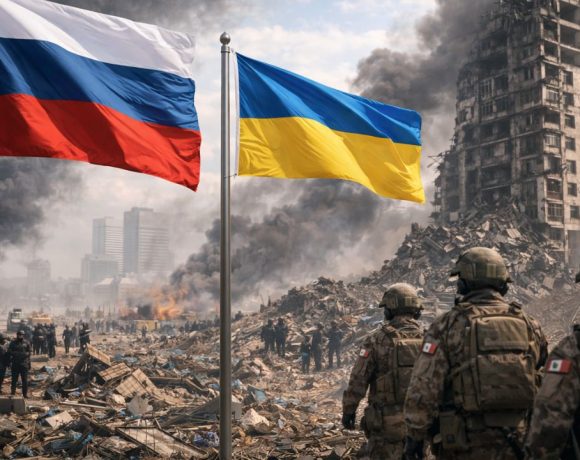
Germany said on Thursday it would work to convince U.S. President Donald Trump to reverse his decision to exclude South Africa from next year’s G20 summit in Florida. Trump has repeatedly accused South Africa’s black-majority government of mistreating its white population, citing widely debunked claims of attacks on white farmers. These assertions led Washington to boycott the recent G20 summit in Johannesburg, despite the group adopting a joint declaration on climate and global challenges.

South African President Cyril Ramaphosa’s office said several G20 members had privately expressed support for Pretoria after Trump’s comments. German Chancellor Friedrich Merz publicly stated he would lobby Trump to extend an invitation to South Africa, stressing that G20 and G7 forums should not be reduced without solid justification. South Africa, however, said it would not campaign for backing from individual countries, noting the delicate diplomatic position many face with the United States.

Trump’s criticism intensified after he claimed South Africa mishandled the handover of the G20 presidency—an allegation Pretoria denies, saying the U.S. delegation was not present at the time. Although it is unclear how the U.S. could formally block South Africa’s participation, experts suggest visa denials could be one tactic. The dispute adds fresh strain to already tense U.S.–South Africa trade negotiations, which have been affected by new U.S. tariffs and cuts to financial assistance earlier this year.

Pic Courtesy: google/ images are subject to copyright
featured News

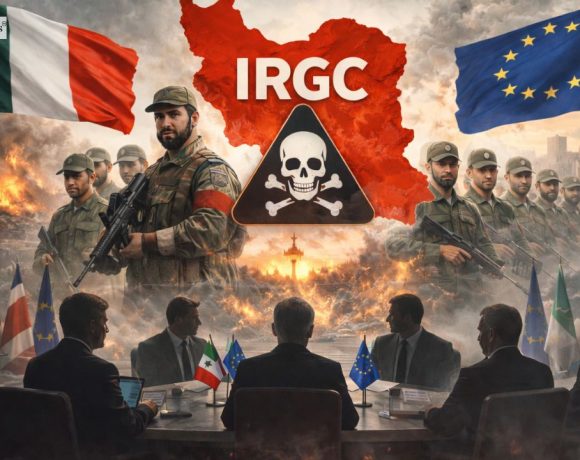
Kremlin aide Yuri Ushakov said he would speak with U.S. presidential envoy Steve Witkoff regarding the leak of an October phone conversation between the two officials, calling the disclosure “unacceptable.” Ushakov confirmed he would address the matter directly with Witkoff during upcoming communications, ahead of the American envoy’s planned visit to Moscow next week to meet President Vladimir Putin.

The leak, published by Bloomberg, claimed Witkoff suggested cooperation on a Ukraine ceasefire proposal and encouraged Putin to raise it with U.S. President Donald Trump. Ushakov dismissed parts of the leaked transcript as “fake” and refused to comment further, stressing that the discussion was confidential. He suggested the leak may have been intended to hinder ongoing diplomatic efforts.

Speaking to Kommersant, Ushakov noted that high-level talks are often conducted via encrypted channels that are rarely compromised unless intentionally leaked. However, he acknowledged that conversations over platforms like WhatsApp could be vulnerable to interception, while firmly ruling out the possibility that participants themselves leaked the discussions.

Pic Courtesy: google/ images are subject to copyright
featured News

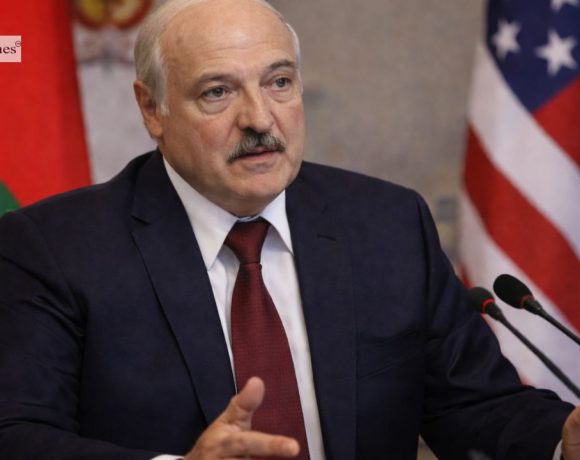
U.S. Secretary of State Marco Rubio said that closed-door peace discussions in Geneva on Sunday marked major progress towards a draft U.S. proposal aimed at ending the war in Ukraine. Speaking to reporters after meeting a Ukrainian delegation, Rubio described the session as the most productive since the administration took office, calling it “probably the best meeting and day we’ve had so far in this entire process.”

The talks are ongoing in Geneva and involve collaborative efforts to refine joint proposals, with participation expected from European partners. Andriy Yermak, Chief of Staff to Ukrainian President Volodymyr Zelenskiy, called the discussions “very productive,” confirming that another round of meetings would continue later on the same day. He expressed appreciation for U.S. support and diplomatic engagement.

Yermak publicly thanked the United States and President Donald Trump for their commitment to pursuing peace, echoing Zelenskiy’s earlier message of gratitude. The acknowledgment followed recent comments by Trump on social media suggesting Kyiv had shown insufficient appreciation for U.S. assistance. Both sides signaled optimism about advancing negotiations that could shape the next phase of diplomatic efforts.

Pic Courtesy: google/ images are subject to copyright
featured News

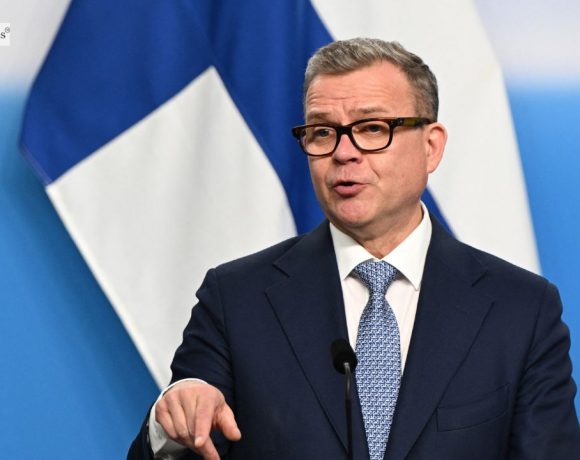
Group of Seven leaders and senior European officials, including EU chiefs Ursula von der Leyen and Antonio Costa, held closed-door discussions on Saturday regarding Washington’s proposed peace framework for Ukraine. The meeting took place on the sidelines of the G20 summit in Johannesburg, according to people familiar with the talks. Ahead of the broader conversation, the E3 group—France, Britain and Germany—convened separately to align positions.

The talks included several other European nations such as Finland, Norway, Spain and the Netherlands. The United States is currently negotiating a 28-point roadmap with Russia aimed at ending the conflict, but Brussels has not been directly involved in the negotiations so far. Von der Leyen said she plans to reach out to Ukrainian President Volodymyr Zelenskiy after the developments.

Zelenskiy responded that Ukraine is ready for “constructive, honest and prompt” engagement with Washington. Meanwhile, Rustem Umerov, Secretary of Ukraine’s National Security and Defence Council, confirmed that Ukrainian and US officials are holding consultations in Switzerland to work on potential pathways to ending the war.

Pic Courtesy: google/ images are subject to copyright
featured News

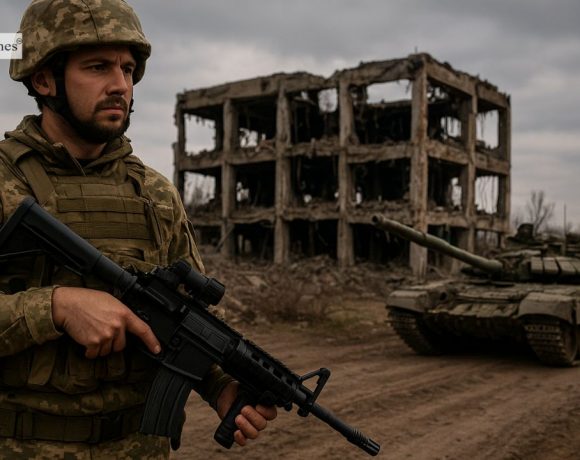
Ukrainian President Volodymyr Zelenskiy has vowed that he will not sacrifice Ukraine’s national interests in negotiations being pushed by the United States, saying the country faces one of the most difficult and dangerous moments in its history. Speaking in a video address, Zelenskiy warned that Kyiv may be forced to choose between preserving national dignity and risking the loss of a major international ally.

A 28-point peace plan proposed by Washington reportedly includes conditions that align with some of Russia’s demands, including ceding more territory, reducing Ukraine’s military strength, and blocking Ukraine from joining NATO. Sources told Reuters that the U.S. has signaled it may cut crucial support if Kyiv refuses to accept the framework.

Zelenskiy said he would continue working with the United States but anticipates increased political pressure in the coming week. Meanwhile, Russia continues to intensify military strikes and advance on the battlefield, as Ukraine confronts internal turmoil following a high-profile corruption scandal involving senior officials and business leaders.

Pic Courtesy: google/ images are subject to copyright
featured News

Ukrainian President Volodymyr Zelensky has said he is prepared to work with the United States on what he called “their vision” for ending the war with Russia, following reports of a leaked draft peace proposal shaped during meetings between US special envoy Steve Witkoff and Russian representative Kirill Dmitriev. The plan, which has drawn global attention, suggests Ukraine would cede parts of the Donetsk region still under its control, reduce the size of its military, and commit not to join NATO—terms Kyiv has previously rejected.

The White House insists Ukraine has been included in discussions, pushing back against criticism that negotiations happened behind its back. The draft emerged as Russia reported small territorial gains in eastern Ukraine and as Zelensky faces a domestic political crisis linked to a $100 million corruption scandal. In a televised address, Zelensky confirmed that US military officials had presented points of a peace proposal in Kyiv, stressing that Ukraine seeks a “real peace… one that will not be broken by a third invasion.”

The plan has triggered concern among European leaders, who say they were excluded from early talks. Germany’s foreign minister described the US proposal as only a “list of topics and options” rather than a complete agreement. While Washington claims the draft is balanced and acceptable to both sides, Kyiv maintains that any peace must protect Ukraine’s sovereignty and dignity. The debate unfolds as fighting continues, including recent deadly Russian attacks in Zaporizhzhia and Ternopil, and as the fourth anniversary of Russia’s full-scale invasion approaches.

Pic Courtesy: google/ images are subject to copyright