
featured News Trending

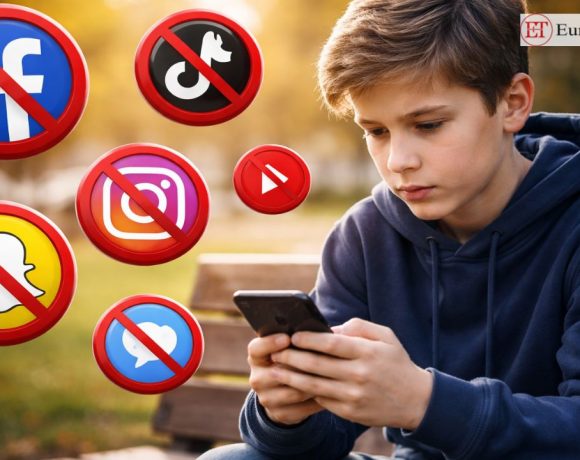
Austria has announced plans to ban social media access for children under the age of 14, joining a growing list of countries considering tighter online restrictions for minors. The proposal comes after negotiations within the coalition government, with Vice-Chancellor Andreas Babler stating that authorities must act against the harmful and addictive effects of social media on young users.

The move reflects a broader trend across Europe and beyond, with countries like France, Spain, and Australia already proposing or implementing similar restrictions. In the United States, a recent court case also found major platforms had designed addictive algorithms that negatively impacted young people’s mental health, adding momentum to stricter regulations.

While Austrian officials say the ban will include age-verification measures and could align with EU systems, critics argue it may limit freedom of expression. Despite opposition concerns, analysts suggest the policy is popular among parents and part of wider government efforts to address social and educational challenges.

Pic courtesy: google/ images are subject to copyright

featured News Trending

France’s National Assembly has approved legislation to ban children under the age of 15 from accessing social media platforms, citing rising concerns over online bullying, mental health risks and youth violence. Lawmakers voted 116 to 23 in favour of the bill, which would also restrict social-networking features embedded within wider digital platforms. The proposal now heads to the Senate before returning to the lower house for a final vote.

President Emmanuel Macron has strongly backed the move, urging France to follow Australia’s lead after it introduced a world-first ban on social media access for under-16s in December. Macron wants the French ban to take effect by the start of the next academic year in September. Supporters of the bill argue that social media is harming children’s well-being, with lawmakers warning it is reducing sleep, reading habits and self-esteem among young users.

If enacted, the law would require platforms such as Instagram, TikTok, YouTube and Snapchat to enforce age restrictions using verification systems compliant with EU regulations. While enforcement remains a challenge, public backing in France is strong, with a 2024 survey showing nearly three-quarters of respondents support the ban. The legislation would also extend France’s existing smartphone ban in schools to include high schools, as debate continues across Europe on setting minimum ages for social media use.

Pic courtesy: google/ images are subject to copyright