featured News Trending

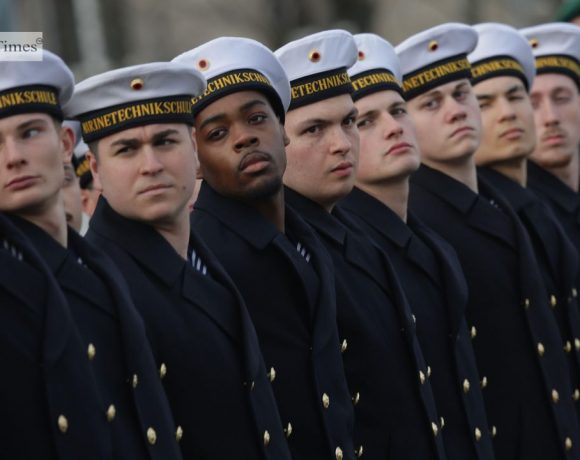
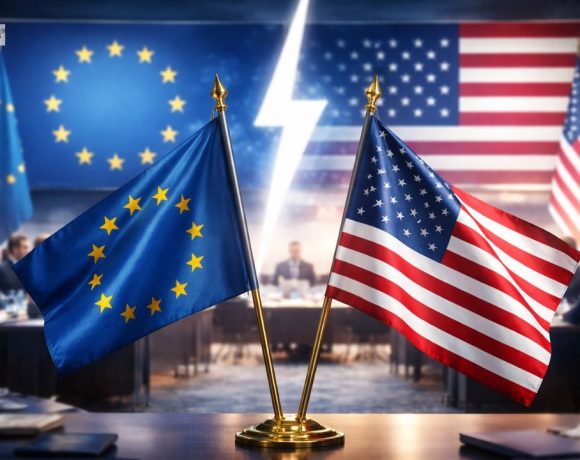
European Union leaders are reassessing their relationship with the United States after former President Donald Trump’s recent threats of tariffs and remarks about acquiring Greenland unsettled transatlantic trust. Although Trump later reversed his stance—ruling out military action and stepping back from proposed tariffs—EU diplomats say the episode has highlighted the unpredictability of U.S. policy and prompted calls for a more independent European strategy, particularly in defence and trade.

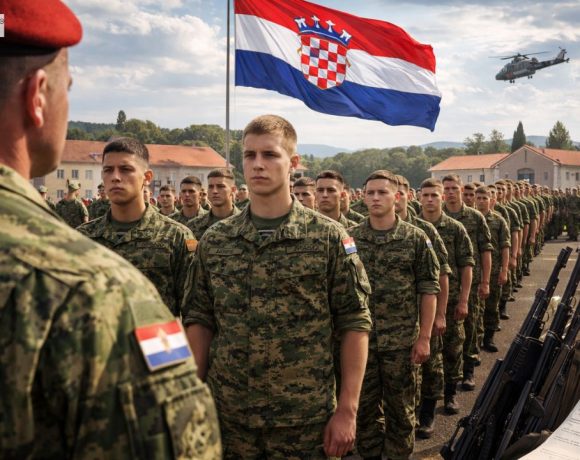
At an emergency summit in Brussels, EU leaders are expected to discuss reducing their reliance on the United States, especially within NATO, where Europe still depends heavily on U.S. intelligence, defence systems and logistics. The bloc is also economically exposed, as the U.S. remains its largest trading partner, leaving Europe vulnerable to sudden tariff threats. Diplomats stressed the need to define clear “red lines” and prepare responses should Washington again shift course.

Uncertainty also remains over the details of a proposed Greenland framework agreement discussed by Trump and NATO Secretary General Mark Rutte, including plans to increase Western presence in the Arctic. While Trump’s reversal eased immediate tensions, EU officials say the broader challenge persists: balancing efforts to keep the U.S. engaged while strengthening Europe’s own resilience, unity and long-term strategic autonomy.

Pic courtesy: google/ images are subject to copyright
featured News Trending

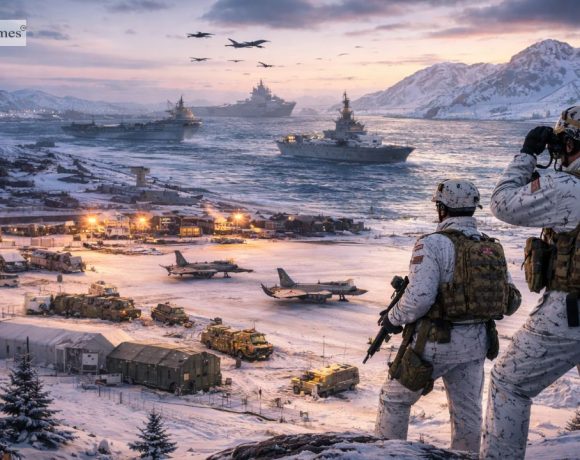
Norway’s defence minister Tore O. Sandvik said NATO is going through a challenging period due to tensions sparked by the crisis over Greenland, but stressed that the alliance must stay focused on its primary security concern — Russia. Speaking to foreign correspondents in Oslo on Wednesday, Sandvik said the current situation within NATO is difficult, yet unity against common threats remains essential.

His remarks come as U.S. President Donald Trump continues to press for the acquisition of Greenland from Denmark, a fellow NATO member, a move that has strained relations within the alliance. Despite these internal pressures, Sandvik emphasised that Russia continues to pose the most significant strategic threat to NATO, particularly as it expands its military footprint in the Arctic region.

Norway, which shares an Arctic border with Russia, closely monitors Russian military activity on the Kola Peninsula, home to key nuclear assets and the headquarters of Russia’s Northern Fleet. The fleet’s access route to the North Atlantic via the Barents Sea makes the region strategically critical, reinforcing NATO’s need to maintain focus on Russian military movements in the High North.

Pic courtesy: google/ images are subject to copyright
featured News

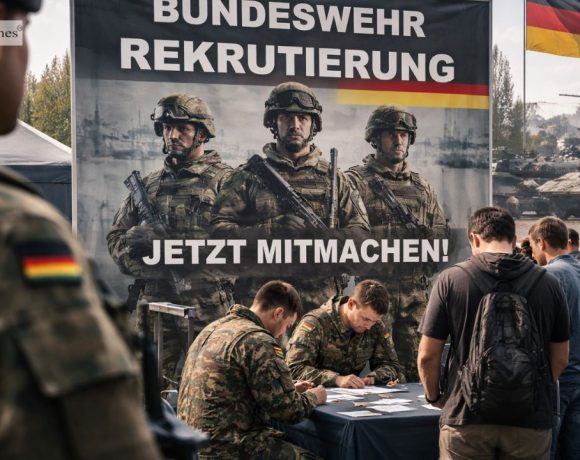
Germany’s coalition government has agreed on a new military service plan aimed at significantly expanding the Bundeswehr amid growing security concerns in Europe. Starting next year, all 18-year-old men will be required to complete a military service questionnaire, with women participating voluntarily. From 2027, mandatory medical examinations for men will follow. The plan is designed to help Germany build Europe’s strongest conventional army and could pave the way for compulsory enlistment if targets aren’t met.

The government aims to boost active troop strength from around 182,000 to as many as 260,000 by 2035, supported by an additional 200,000 reservists. Defence leaders—including Rheinmetall CEO Armin Papperger—believe the goal is achievable within five years, especially as NATO pressures member states to strengthen defence capabilities in response to potential threats from Russia. Recent warnings from German defence officials have emphasised the need to be fully prepared by 2029.

However, the plan faces strong opposition from Germany’s political left and many young people, who argue that compulsory service infringes on personal freedom. Protests have emerged, with some youths expressing fear of being drawn into conflict, while others have voluntarily enlisted citing a desire to protect democracy. Defence Minister Boris Pistorius has attempted to reassure the public, insisting that a stronger, better-equipped military serves as a deterrent and reduces the likelihood of Germany entering a conflict.

Pic Courtesy: google/ images are subject to copyright