featured News Trending

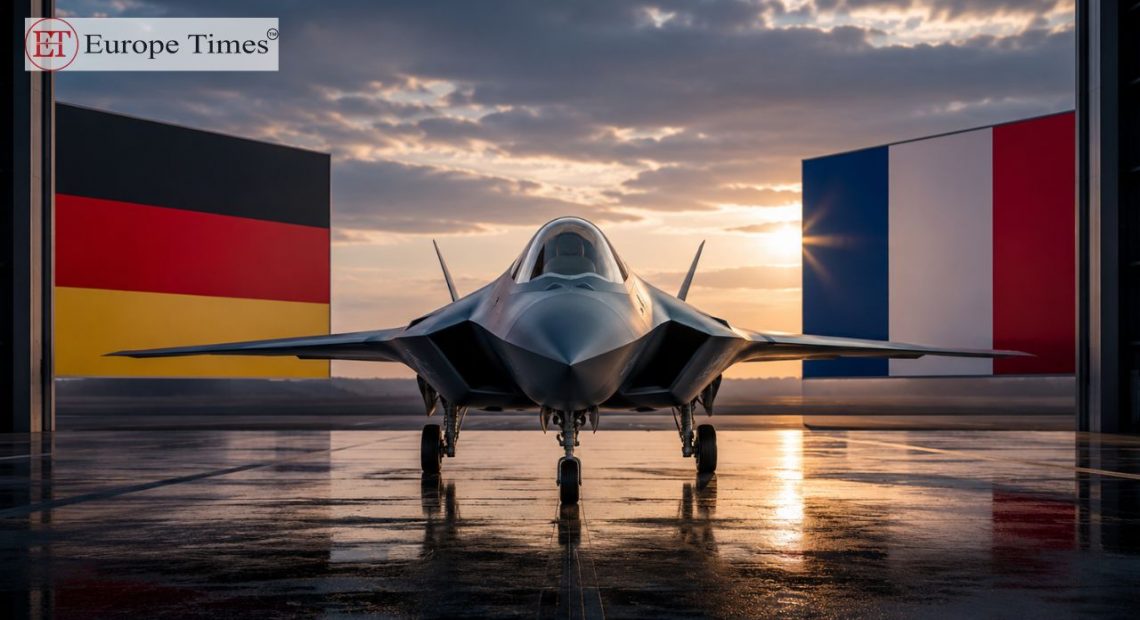
Germany and France have agreed to end their ambitious joint project to develop a next-generation fighter jet after years of disagreements between key industry partners. German Chancellor Friedrich Merz and French President Emmanuel Macron concluded that there was little chance of resolving the deadlock between Airbus and Dassault Aviation, leading to the decision to scrap the fighter aircraft component of the programme.

The project, launched in 2017 as part of the Future Combat Air System (FCAS), was intended to be Europe’s flagship defence initiative, combining advanced fighter jets, drones and secure combat networks. However, disputes over design requirements, intellectual property rights, project control and development responsibilities repeatedly stalled progress. The collapse comes as Europe faces growing security concerns and increasing pressure to strengthen its defence capabilities.

Despite ending the fighter jet programme, officials are reportedly exploring a compromise that would allow other FCAS elements, such as advanced combat communication systems, to continue under the same framework. While both countries reaffirmed their commitment to defence cooperation, the project’s failure highlights the challenges Europe faces in developing major joint military programmes.

Pic courtesy: google/ images are subject to copyright

featured News Trending

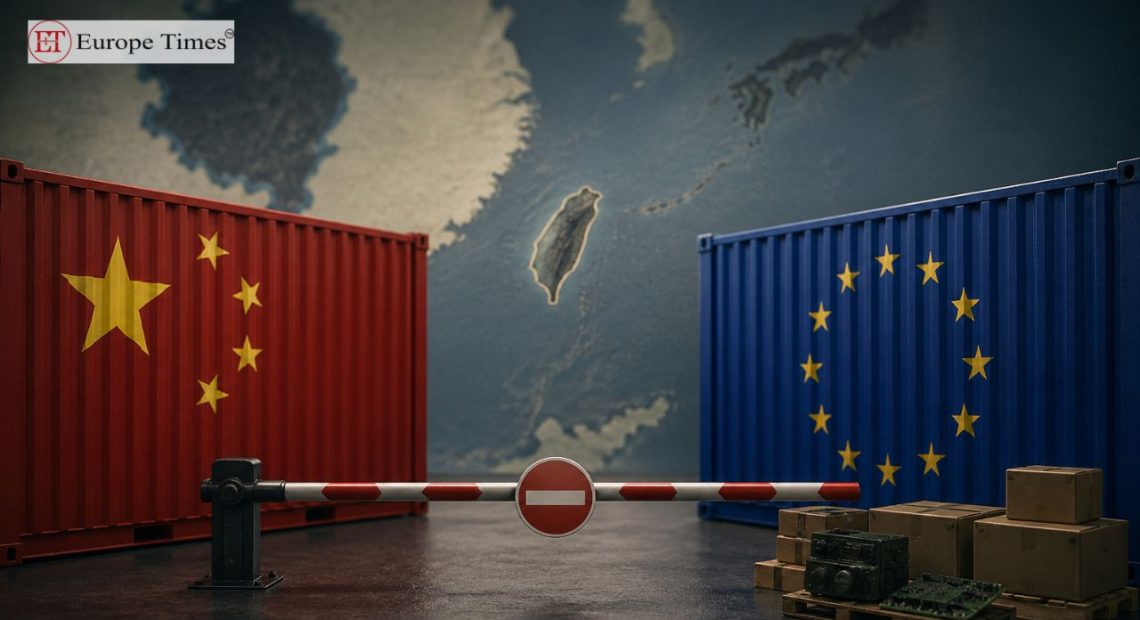
China has announced a ban on exports of dual-use items to seven European entities, accusing them of involvement in arms sales to Taiwan. The affected companies include Germany’s Hensoldt AG, Belgium’s FN Browning, and several Czech defence firms, with Beijing placing them on its export control list. China said the move targets organisations that “colluded with Taiwan,” which it considers part of its territory.

The restrictions apply to goods, software, and technologies with both civilian and military uses, such as components used in drones and semiconductors. Beijing stated that all related transfers must stop immediately, though it may grant case-by-case approvals in exceptional situations. China also said it had informed the European Union through its export control dialogue mechanism before announcing the measures.

European and Czech officials have sought clarification, with some companies saying they do not expect major business impacts. The Czech government has instructed its embassy in Beijing to seek explanations, while firms like Excalibur Army said they do not directly rely on Chinese dual-use imports. The move comes amid growing geopolitical tensions over Taiwan, which China claims as its own but which Taiwan’s government rejects.

Pic courtesy: google/ images are subject to copyright