featured News Trending

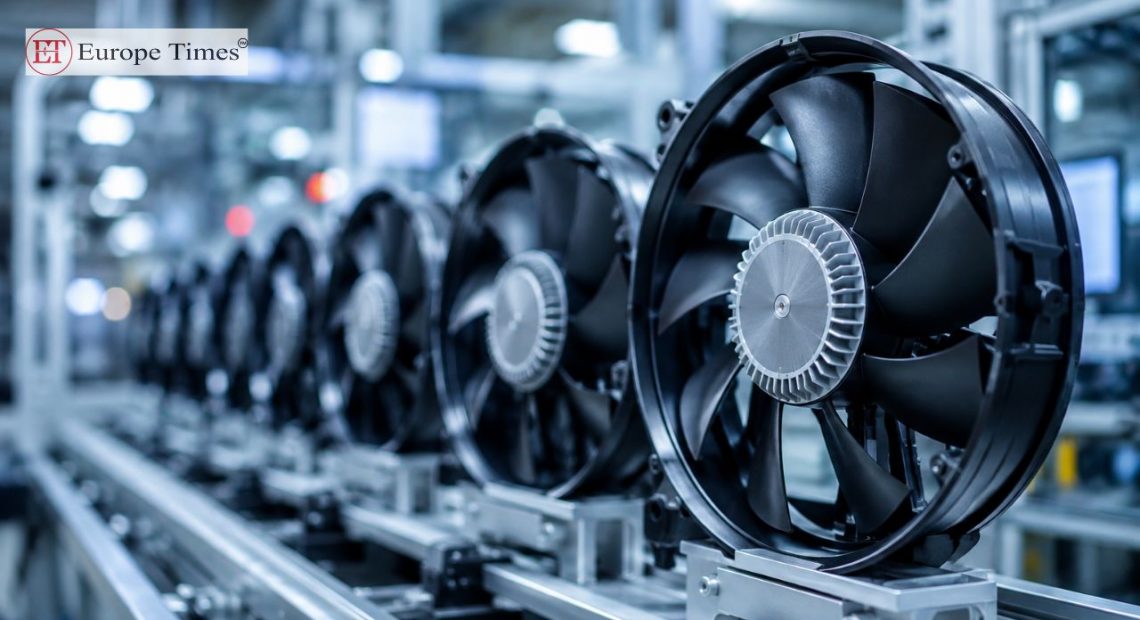
European semiconductor and electrical equipment stocks climbed sharply as investor confidence grew around the expanding artificial intelligence (AI) boom. Companies seen as key players in AI infrastructure benefited from strong earnings and optimistic forecasts, mirroring a powerful rally in U.S. chip stocks. The surge reflects increasing global demand for advanced chips and supporting technologies as AI adoption accelerates.

Dutch chip equipment maker ASM International jumped to a record high after projecting stronger-than-expected second-quarter sales, driven by robust AI demand. Meanwhile, Swiss engineering giant ABB also raised its full-year outlook, citing increased demand from data centres and electrification businesses despite geopolitical uncertainties.

Other major European players, including ASML, Infineon, and STMicroelectronics, recorded solid gains. Analysts believe that years of weak investment are now giving way to an AI-led growth cycle, with spending expected to accelerate from 2026 as companies invest heavily in digital infrastructure, energy, and supply chain resilience.

Pic courtesy: google/ images are subject to copyright

featured News Trending

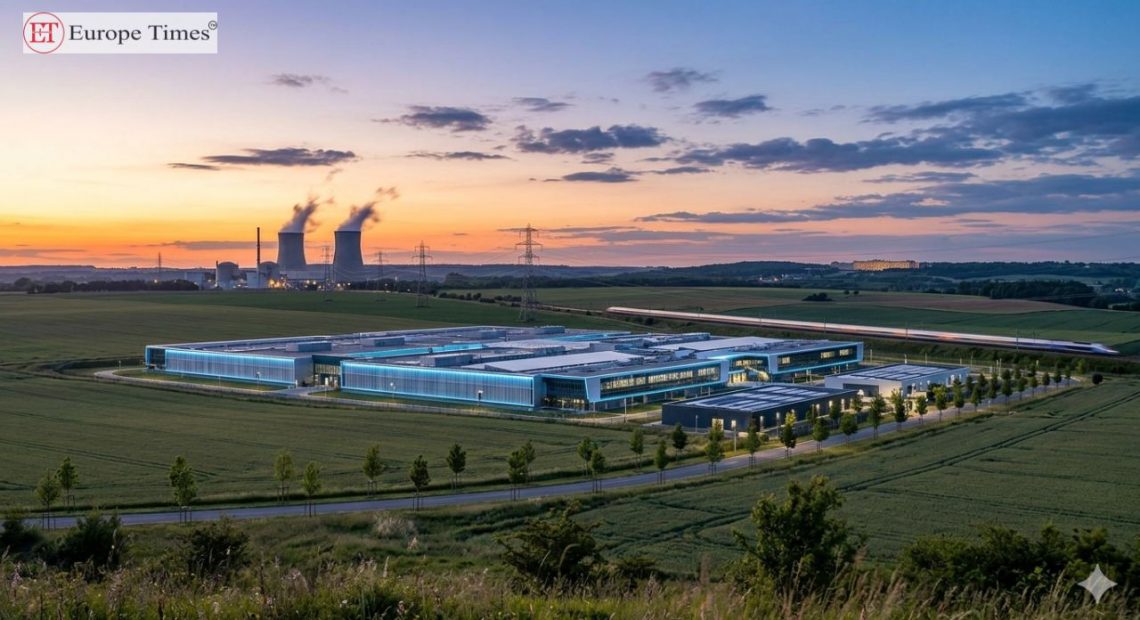
Germany has unveiled plans to at least double its domestic data centre capacity and quadruple artificial intelligence data processing by 2030, as part of a strategy to compete with leading AI hubs in the United States and China. Digital Minister Karsten Wildberger outlined measures including allocating land for new facilities, streamlining regulatory approvals, and fostering collaboration across the AI supply chain.

Under the proposal, municipal business taxes from new data centres would go to the town or city hosting the facility rather than the company headquarters, incentivizing local investment. The government is particularly targeting European and German companies but remains open to investment from third countries. Major global players like Amazon, Microsoft, and Google already contribute significantly to Germany’s AI data infrastructure, alongside local firms such as Deutsche Telekom and the Schwarz Group.

At the end of last year, Germany’s AI data centres had a combined capacity of 530 MW, with much of it operated by foreign providers. European nations are increasingly pushing for sovereign control over AI infrastructure in response to geopolitical risks, including tariffs, armed conflicts, and differing online content regulations, making domestic investment a strategic priority.

Pic courtesy: google/ images are subject to copyright

featured News

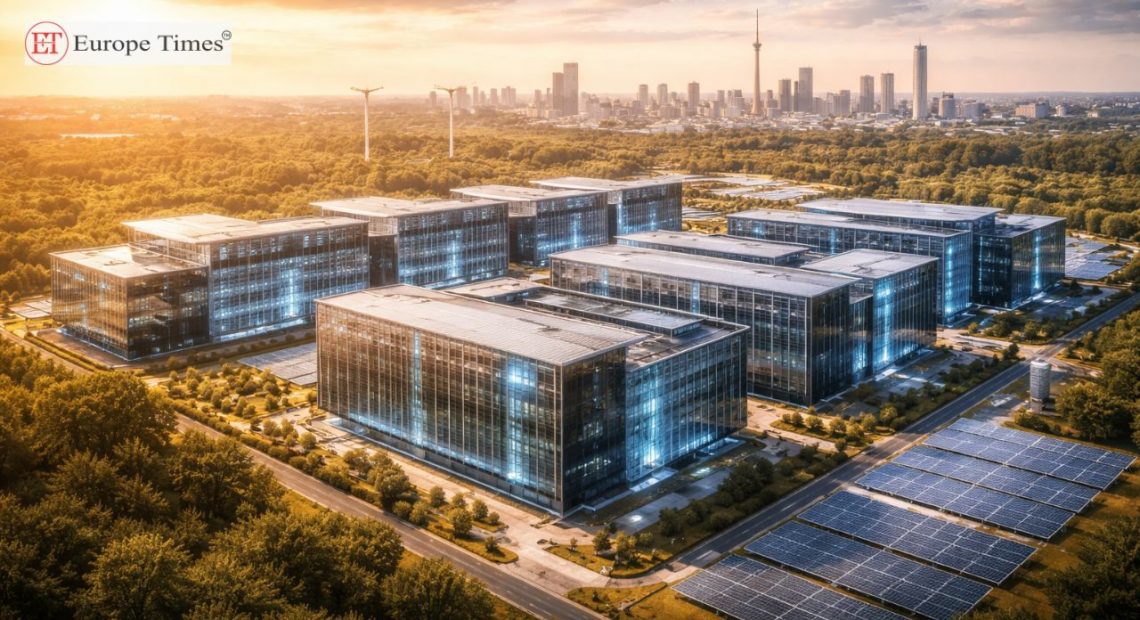
Alphabet’s Google has announced plans to invest €5.5 billion ($6.4 billion) in Germany between 2026 and 2029 to strengthen its cloud infrastructure and data centre capacity. The investment includes building a new data centre in Dietzenbach near Frankfurt and expanding its existing facility in Hanau, both located in the state of Hesse.

The initiative is expected to secure around 9,000 indirect jobs, marking a significant boost for Germany’s digital economy. Google Cloud’s Northern Europe vice president Marianne Janik said the investment will directly involve about 100 workers at each site. The move follows a series of major tech partnerships in Germany, including a $1.2 billion AI deal between Deutsche Telekom and Nvidia.

German Finance Minister Lars Klingbeil hailed the announcement as a major signal for Germany’s economic future, noting that no state funds are involved. The government continues to promote the country as a prime business destination amid efforts to modernize infrastructure and revive economic growth.

Pic Courtesy: google/ images are subject to copyright