featured News Trending

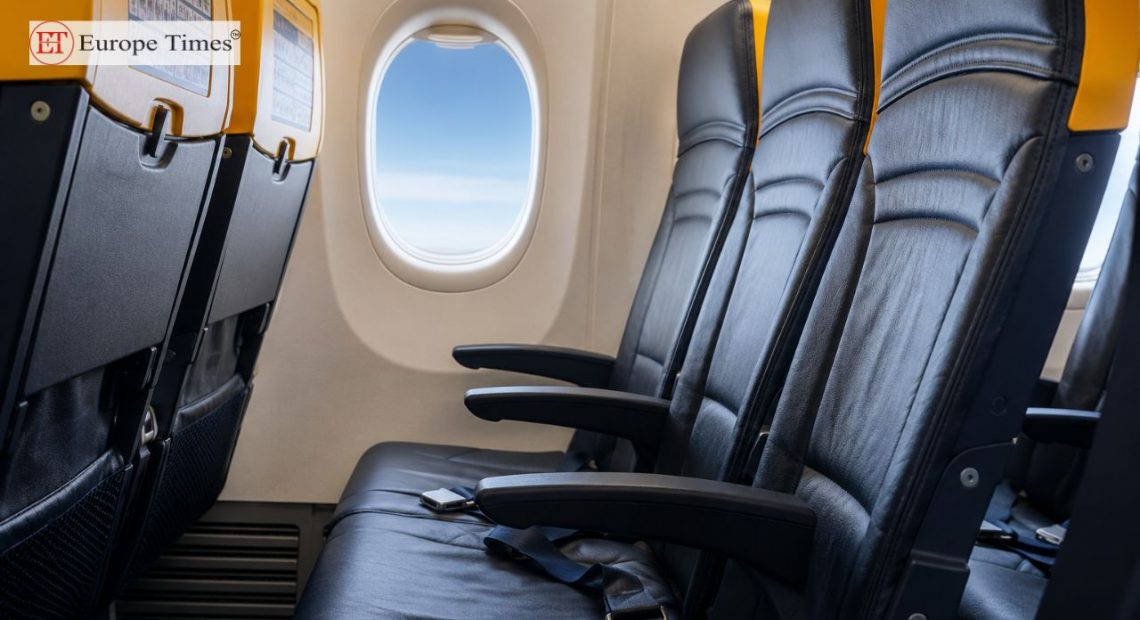
The UK’s Competition and Markets Authority (CMA) has launched an investigation into Ryanair over charges imposed on parents who want to sit next to their children on flights. The regulator is examining whether the airline’s “mandatory family seat” policy, which typically costs around £8 each way, is unfair under consumer protection laws. Ryanair’s terms require parents to sit with children aged between two and 11, raising concerns that families may be paying extra for a requirement linked to child safety obligations.

The CMA will also assess whether the seat reservation fee is clearly presented during the booking process or added later as an extra charge. According to the watchdog, Ryanair appears to be the only major airline operating from the UK that charges parents in this way, while other carriers generally seat families together at no additional cost. The investigation remains at an early stage, and the CMA has not yet concluded whether any laws have been broken.

Ryanair has strongly rejected the investigation, describing it as “bogus” and insisting its family seating policy complies with all applicable laws. The airline stated that only one adult seat reservation fee is charged per booking, while up to four children can be seated next to that adult free of charge. Consumer group Which? welcomed the CMA’s move, arguing that families should not be forced to pay extra simply to sit with young children during flights.

Pic courtesy: google/ images are subject to copyright

featured News Trending

A court in Germany has ruled that chocolate maker Mondelēz International misled consumers by reducing the size of its popular Milka Alpenmilch chocolate bar while keeping nearly identical packaging. The case, brought by Hamburg’s consumer protection office, accused the company of deceiving buyers after shrinking the bar from 100g to 90g while also increasing the price from €1.49 to €1.99.

The Bremen regional court said the unchanged purple wrapper created a misleading impression for customers familiar with the product over many years. Judges ruled that the issue was not the packaging itself, but the gap between consumer expectations and the actual product size. The court stated that clearer and more noticeable labeling about the reduced weight was necessary to avoid deception. Mondelēz said it respected the decision and would review the ruling, though it still has the option to appeal.

The case has become one of Germany’s biggest examples of “shrinkflation” — the practice of reducing product sizes while maintaining or increasing prices due to rising production costs. Consumer groups say chocolate has been especially affected because of soaring cocoa prices linked to poor harvests in West Africa. Other products, including toothpaste, oats, and coffee, have also faced similar criticism, while brands like Ritter Sport have also come under scrutiny for reducing chocolate bar weights.

Pic courtesy: google/ images are subject to copyright