
featured News Trending

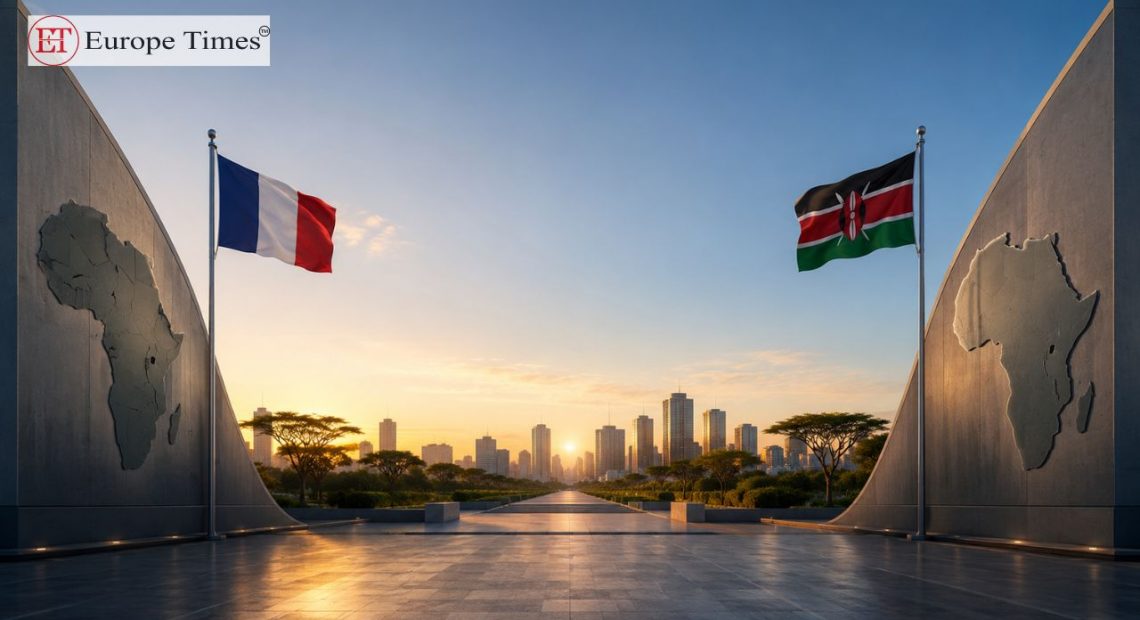
French President Emmanuel Macron used the Africa Forward Summit in Nairobi to announce $27 billion in planned investments across Africa, focusing on sectors such as energy transition, artificial intelligence, agriculture and maritime industries. Co-hosted with Kenyan President William Ruto, the summit marks France’s effort to deepen ties beyond its traditional French-speaking allies and reshape its relationship with the continent.
The gathering comes as France faces growing anti-French sentiment and declining influence in several former colonies in West Africa, where military governments in countries like Mali, Burkina Faso and Niger have expelled French troops and strengthened ties with Russia. Analysts say hosting the summit in English-speaking Kenya signals a broader shift in Paris’s Africa strategy, moving away from old colonial-era networks toward partnerships driven by trade, investment and economic cooperation.

Kenyan officials described the summit as an opportunity to break linguistic and colonial barriers that have historically divided African countries into Anglophone and Francophone blocs. Alongside diplomacy and security discussions, the event focused heavily on investment opportunities, infrastructure and technology partnerships, with more than 30 African leaders and major business executives attending as France seeks to maintain its relevance amid growing competition from China, Russia and Turkey.

Pic courtesy: google/ images are subject to copyright

News Trending

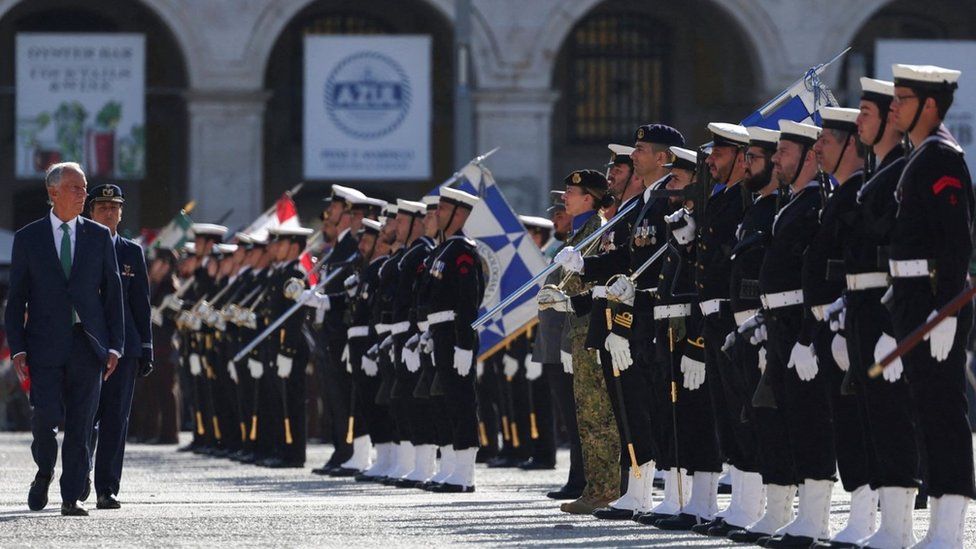
The Portuguese government has firmly rejected the notion of offering reparations for the country’s involvement in transatlantic slavery and colonialism, despite recent remarks by President Marcelo Rebelo de Sousa suggesting otherwise. President de Sousa acknowledged Portugal’s historical wrongdoings, including acts of violence and exploitation, but refrained from specifically addressing the issue of slavery. Instead, he proposed taking full responsibility for the past through alternative measures such as development aid and debt forgiveness.

However, the government swiftly issued a statement asserting that there is no concrete plan or program for reparations, maintaining continuity with the stance of previous administrations. While there have been discussions within the government about returning looted items from colonial times, the official position remains unchanged. The current Minister of Culture, who previously served as the director of a national museum housing artifacts from former colonies, has expressed support for the idea in the past.

Despite the government’s stance, anti-racist groups and left-wing political parties have reignited the debate surrounding Portugal’s colonial legacy in recent days. They advocate for acknowledgment and redress of historical injustices, including slavery and colonial-era abuses. President de Sousa, with his personal family ties to colonial governance, emerges as a significant figure in advocating for a nuanced understanding of Portugal’s colonial past, countering narratives minimizing its impact.

Picture Courtesy: Google/images are subject to copyright