
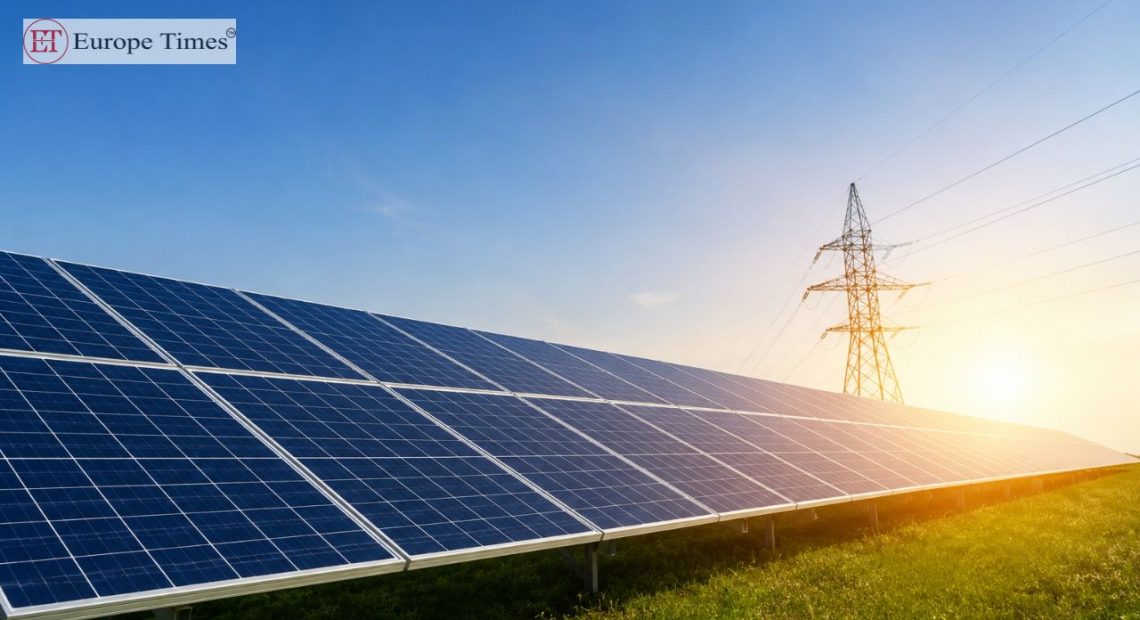
The European Union’s decision to block public funding for solar projects using Chinese-made inverters has sparked concerns that renewable energy growth could slow across the bloc. Officials argue the move is necessary to reduce security risks, warning that internet-connected inverters could potentially be used by foreign actors to disrupt power grids. The restriction is expected to affect more than 20% of new annual solar installations, forcing developers to seek alternative suppliers.
Chinese companies such as Huawei and Sungrow have dominated Europe’s inverter market, supplying around 70% of the region’s needs in recent years. Industry groups and solar developers warn that replacing Chinese equipment could raise costs, delay projects, and make it harder for some countries to meet renewable energy targets. Price-sensitive markets in Central and Eastern Europe are expected to face the greatest challenges, particularly where public subsidies play a major role in solar investments.
European manufacturers say they can increase production to fill the gap, with companies in Germany and Austria claiming they could meet demand within a year if investment conditions improve. However, some analysts remain skeptical, arguing that a rapid shift away from Chinese technology could slow the energy transition in the short term. Several EU countries are already considering tougher restrictions, while Brussels continues assessing whether broader bans on high-risk suppliers may be necessary in the future.
Pic courtesy: google/ images are subject to copyright