featured News Trending

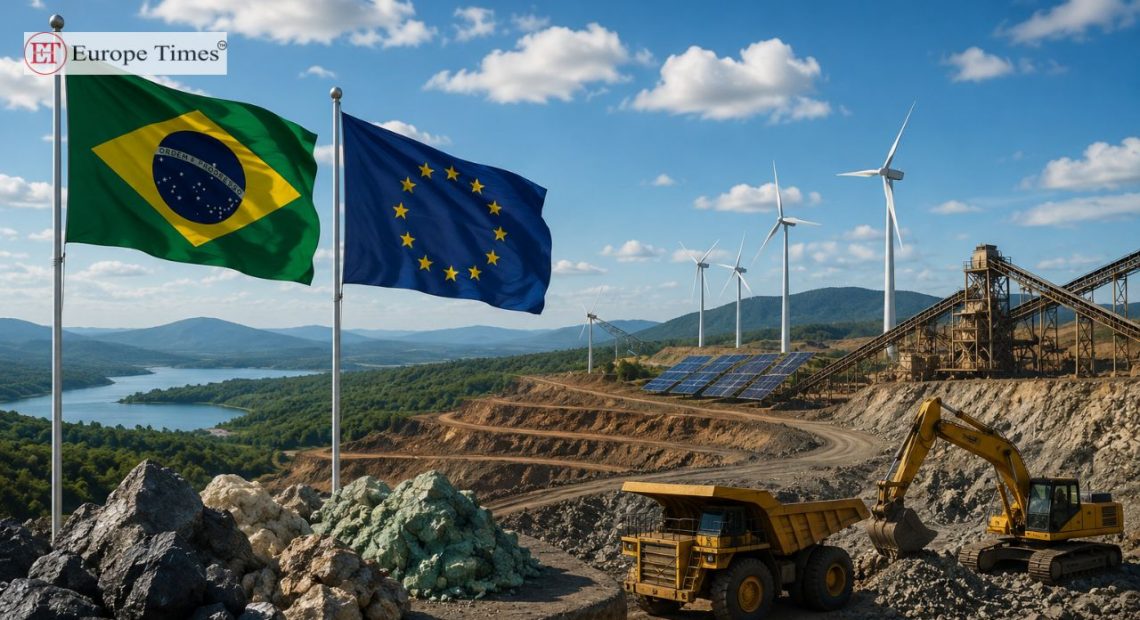
The European Union is strengthening ties with Brazil as part of its strategy to secure critical mineral supplies and reduce dependence on dominant global producers. During a visit to a rare earth processing facility in Minas Gerais, EU officials highlighted Brazil’s importance as a key partner in building more resilient and diversified supply chains.

The proposed partnership focuses on supporting local processing and refining capabilities rather than simply exporting raw materials. The EU says the collaboration will help Brazil create jobs, attract investment, access advanced technologies and move further up the value chain in the rapidly growing critical minerals sector.

The initiative comes amid intense global competition for rare earths, lithium and other minerals essential for electric vehicles, renewable energy and defence industries. Officials said discussions are progressing on new agreements and investments, with both sides aiming to strengthen long-term cooperation while promoting sustainable development and industrial growth.

Pic courtesy: google/ images are subject to copyright

featured News Trending

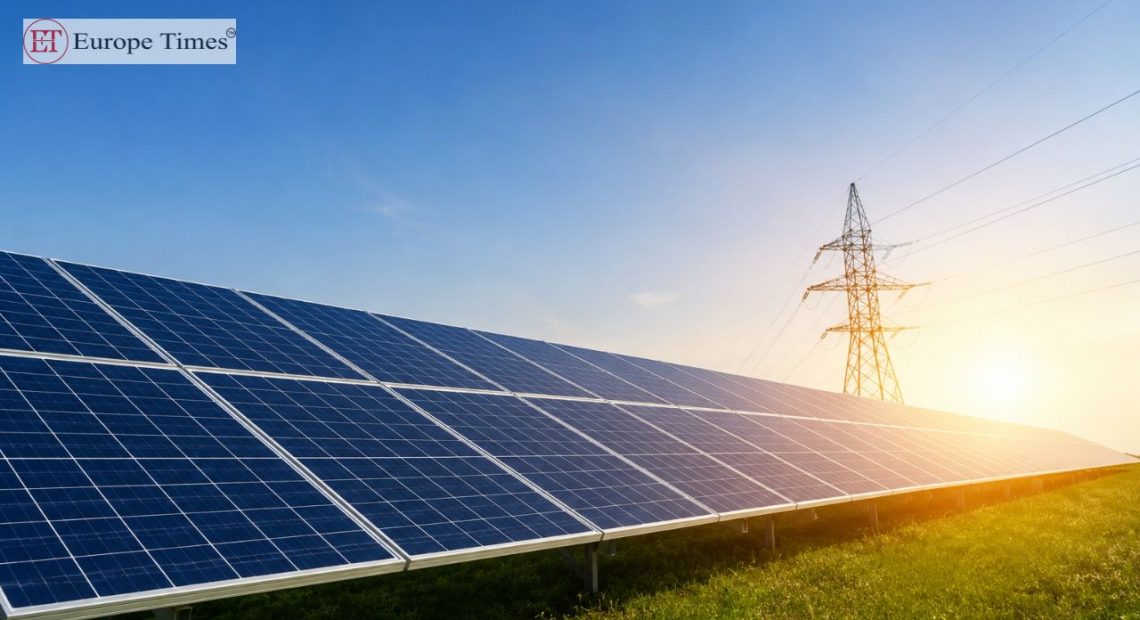
The European Union’s decision to block public funding for solar projects using Chinese-made inverters has sparked concerns that renewable energy growth could slow across the bloc. Officials argue the move is necessary to reduce security risks, warning that internet-connected inverters could potentially be used by foreign actors to disrupt power grids. The restriction is expected to affect more than 20% of new annual solar installations, forcing developers to seek alternative suppliers.

Chinese companies such as Huawei and Sungrow have dominated Europe’s inverter market, supplying around 70% of the region’s needs in recent years. Industry groups and solar developers warn that replacing Chinese equipment could raise costs, delay projects, and make it harder for some countries to meet renewable energy targets. Price-sensitive markets in Central and Eastern Europe are expected to face the greatest challenges, particularly where public subsidies play a major role in solar investments.

European manufacturers say they can increase production to fill the gap, with companies in Germany and Austria claiming they could meet demand within a year if investment conditions improve. However, some analysts remain skeptical, arguing that a rapid shift away from Chinese technology could slow the energy transition in the short term. Several EU countries are already considering tougher restrictions, while Brussels continues assessing whether broader bans on high-risk suppliers may be necessary in the future.

Pic courtesy: google/ images are subject to copyright

featured News Trending

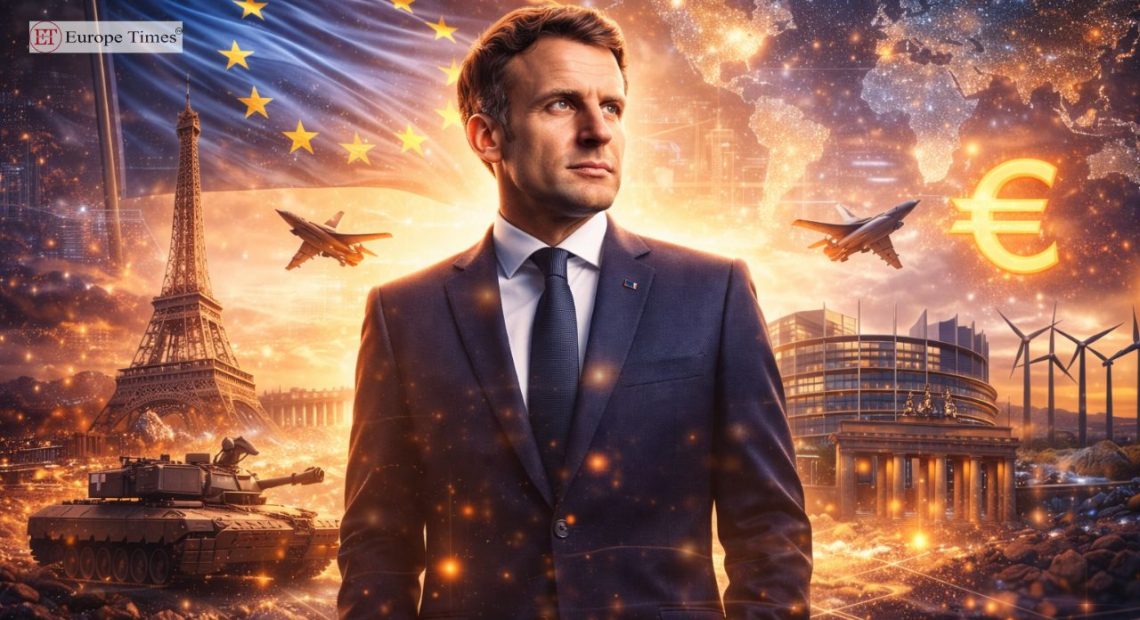
French President Emmanuel Macron has called on Europe to step up as a global power, warning that the continent faces a “wake-up call” amid rising challenges from China, Russia, and the United States. Speaking to European media ahead of an EU summit in Brussels, Macron emphasized the need for the EU to strengthen its economy, defense, and democratic systems, arguing that Europe must act cohesively to secure its strategic interests.

Macron proposed EU-wide mutualized loans, or “eurobonds for the future,” to fund industrial and technological investment. He highlighted the growing global demand for such shared European debt, while urging member states to protect key industries like security, clean energy, and artificial intelligence without resorting to protectionism.

The French leader stressed Europe’s vulnerability in a changing world order, citing climate change, dwindling U.S. security guarantees, and China’s rising influence. Macron urged the 27-member EU to embrace its collective strength of 450 million people, insisting that becoming a global power is the natural continuation of the European project to maintain peace and build a robust market.

Pic courtesy: google/ images are subject to copyright