featured News Trending

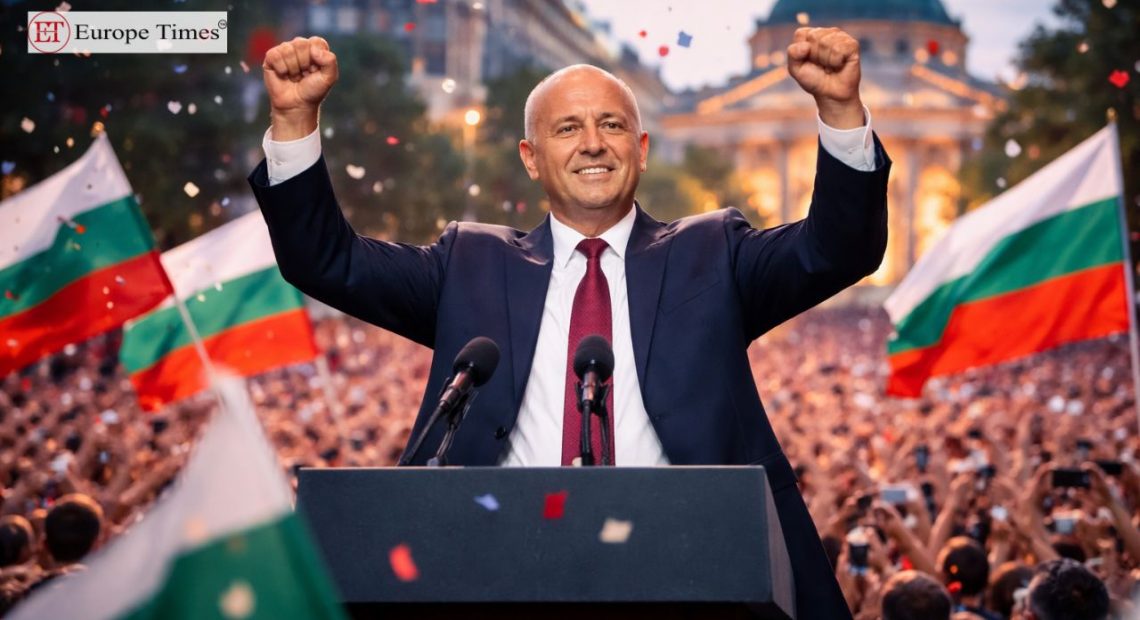
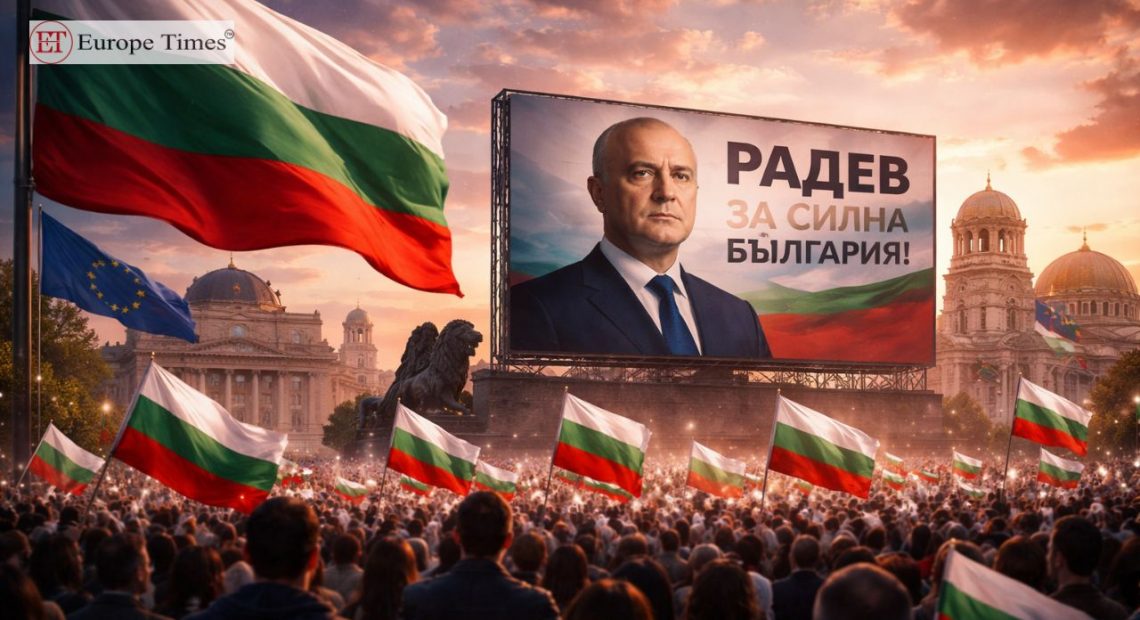
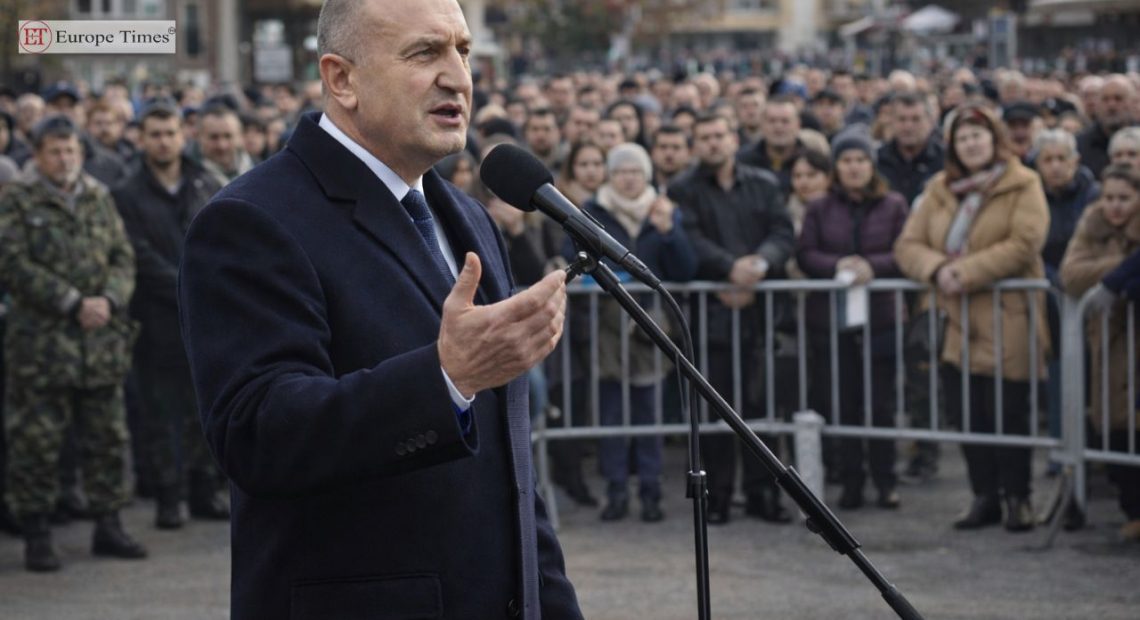
Rumen Radev has secured a sweeping victory in Bulgaria’s parliamentary election, paving the way to lead the country’s first single-party government in nearly 30 years. The former president capitalised on widespread public frustration with corruption, political instability, and rising living costs, following years of repeated elections and fragile coalitions.

Radev, a former fighter pilot often viewed as sympathetic to Russia, positioned himself as an anti-establishment figure promising reform. His win also dealt a major blow to traditional parties, including those led by Boyko Borissov. Despite his rhetoric and past criticism of EU policies, analysts believe he is unlikely to risk jeopardising crucial European Union funding or dramatically shift Bulgaria’s geopolitical alignment.

The new government faces significant domestic challenges, including tackling corruption, stabilising the economy, and restoring public trust in institutions. While some voters remain concerned about his perceived pro-Russian stance, many see his decisive mandate as an opportunity to bring stability after years of political turmoil.

Pic courtesy: google/ images are subject to copyright

featured News Trending

Former Bulgarian president Rumen Radev is leading opinion polls ahead of the April 19 parliamentary election, campaigning on an anti-corruption platform and promising stability after years of political turmoil. Backed strongly by rural and older voters, Radev has positioned himself as a reformer determined to dismantle what he calls an entrenched oligarchic system.

The vote comes after repeated elections and fragile coalitions that failed to address graft and economic concerns. While Radev’s Progressive Bulgaria party holds a clear lead, it is unlikely to secure a majority, making coalition-building essential. Potential partners include pro-European groups, which could moderate his policies, especially on foreign relations.

Radev’s perceived pro-Russian stance has raised concerns within the European Union, particularly regarding Bulgaria’s position on Ukraine and broader EU alignment. Despite this, many voters prioritize domestic issues like corruption, economic inequality, and governance, viewing Radev as a chance for decisive leadership in a politically unstable landscape.

Pic courtesy: google/ images are subject to copyright

featured News Trending

Bulgaria is heading for another snap election after the country’s main political parties refused to form a government, President Rumen Radev said on Friday. His announcement follows the rejection of a final mandate by the Alliance for Rights and Freedoms, clearing the way for the eighth election in just four years.

None of the parties in Bulgaria’s fragmented parliament hold enough seats to secure a stable majority. Earlier this week, both the GERB-SDS bloc and the reformist PP-DB alliance turned down Radev’s request to try to form a governing coalition after the previous administration resigned.

Former Prime Minister Rosen Zhelyazkov’s coalition stepped down last month amid sustained street protests over corruption and proposed tax increases. With all mandates now declined, Radev is expected to appoint a caretaker government and call early elections, as Bulgaria seeks political stability to unlock EU funds, boost investment, and tackle long-standing corruption.

Pic Courtesy: google/ images are subject to copyright

featured News Trending

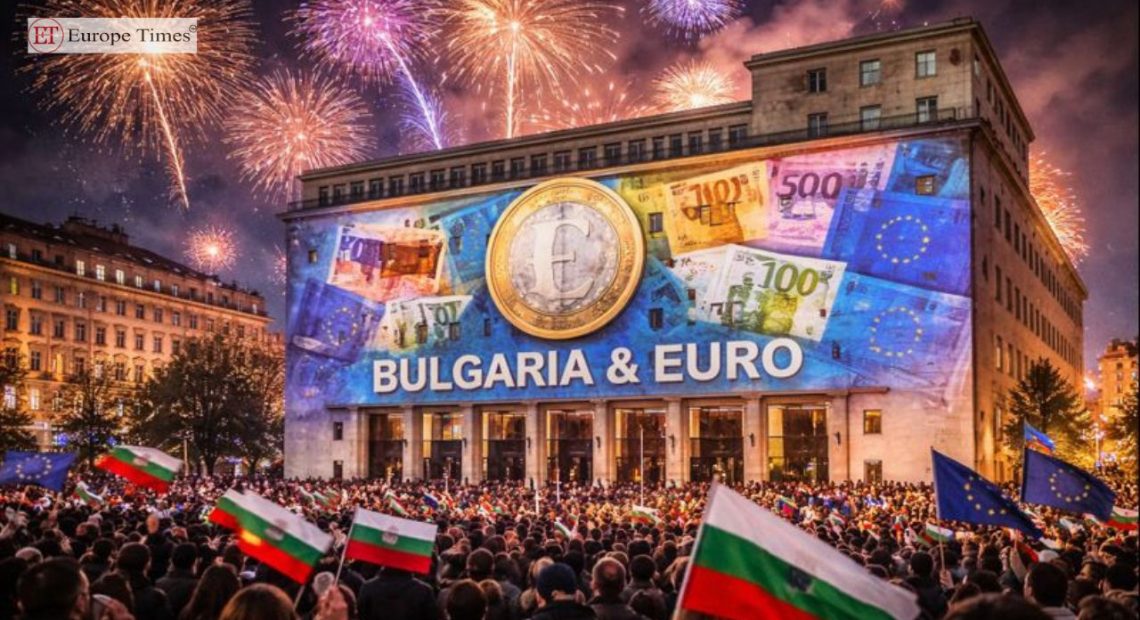
Bulgaria officially joined the euro zone on Thursday, marking a historic shift as the euro replaced the lev as the country’s currency from midnight. Celebrations took place across the capital Sofia, with euro coin projections lighting up the central bank’s facade and fireworks welcoming the milestone. Bulgaria becomes the 21st member of the euro area, increasing the number of Europeans using the common currency to over 350 million.

The move grants Bulgaria a seat on the European Central Bank’s Governing Council, allowing it to participate directly in euro zone monetary policy decisions. Successive governments have pursued euro adoption since Bulgaria joined the European Union in 2007. While public opinion remains divided, businesses have largely backed the transition, citing easier trade, travel and financial stability within the EU.

Many citizens expressed cautious optimism, saying the currency change would simplify travel and everyday transactions. However, concerns remain among some Bulgarians about potential price rises and broader political instability, following the government’s recent resignation amid protests over proposed tax hikes. Despite these worries, officials say euro adoption represents a major step toward deeper European integration.

Pic courtesy: google/ images are subject to copyright

featured News Trending

Bulgaria has unveiled its new euro coins, showcasing key symbols of its cultural and historical heritage. The designs feature motifs already familiar from the lev, Bulgaria’s currency since 1881, named after an archaic word meaning “lion.” The coins will circulate starting Thursday, marking the country’s official adoption of the euro.

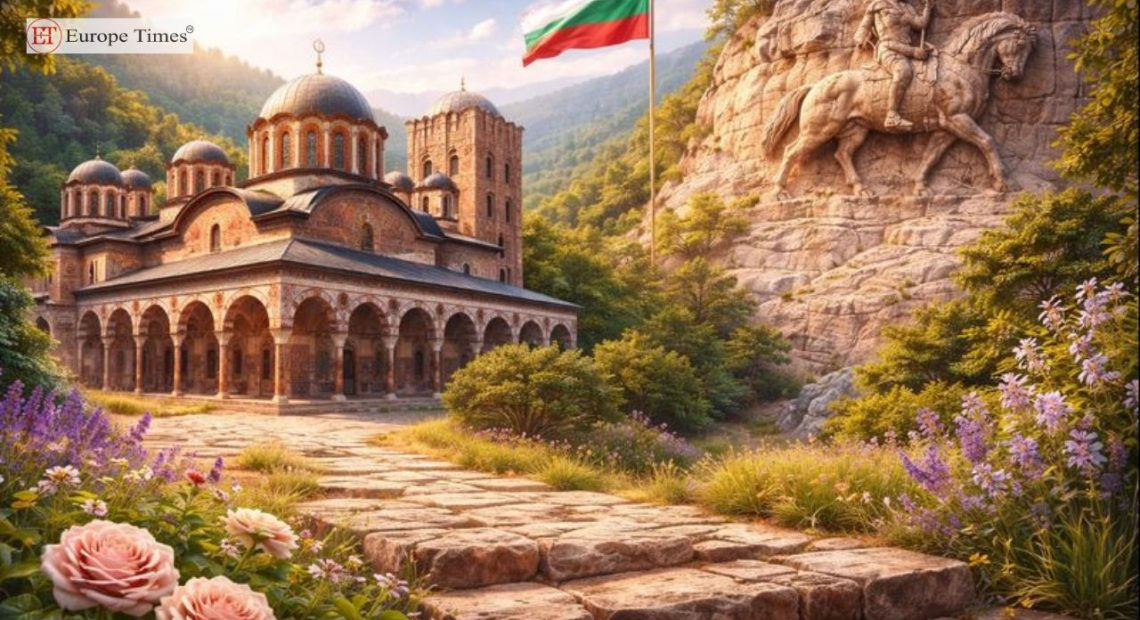
The one, two, five, 10, 20, and 50-cent coins depict the Madara Rider, an ancient rock relief from the early eighth century near Madara village. The relief shows a knight triumphing over a lion and is recognized as a UNESCO World Heritage site since 1979, reflecting Bulgaria’s early statehood and artistic legacy.

The one-euro coin honors Bulgaria’s patron saint, John of Rila, founder of the Rila Monastery, while the two-euro coin features Paisius of Hilandar, an 18th-century monk whose writings were pivotal in Bulgaria’s national revival. The edge of the two-euro coin carries the inscription “God protect Bulgaria,” highlighting the country’s spiritual and historical pride.

Pic courtesy: google/ images are subject to copyright

featured News

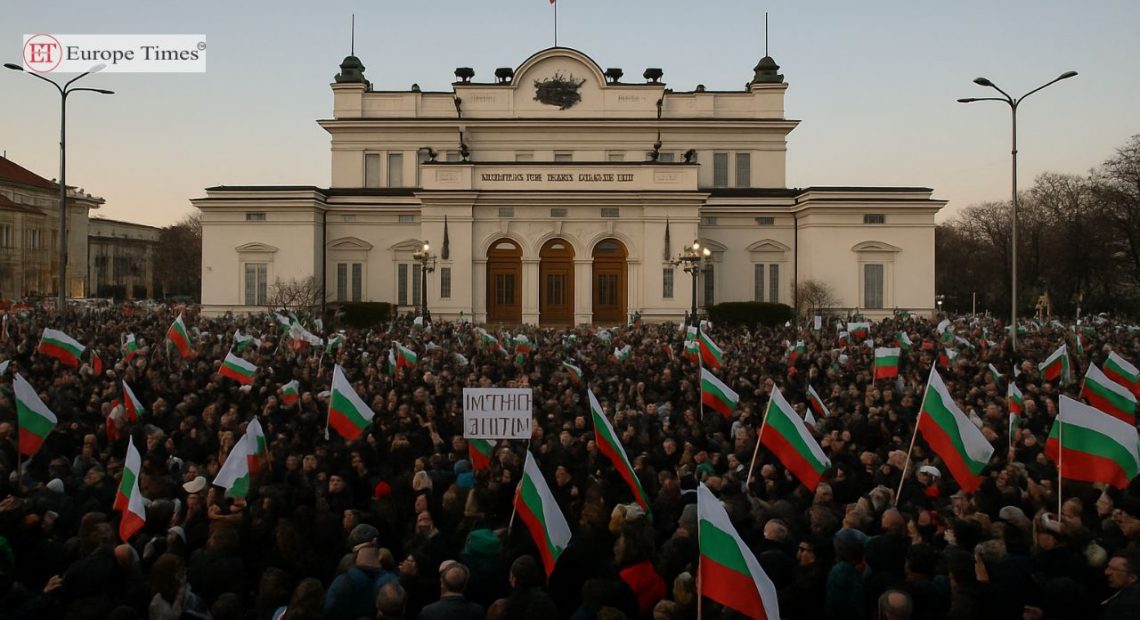
Thousands of Bulgarians gathered once again across Sofia and several other cities, demanding the resignation of Prime Minister Rosen Zhelyazkov’s minority government. Demonstrators accuse the leadership of failing to address widespread corruption and mismanaging key national issues as the country prepares to adopt the euro on January 1. Protesters projected messages like “Resignation” and “Mafia Out” onto the parliament building, signalling growing public frustration.

Despite the government’s decision to withdraw its 2026 draft budget—originally planned in euros—protests have intensified. Critics say the budget would have raised social security contributions and taxes on dividends to fund increased state spending. With Bulgaria experiencing deep political divisions and seven national elections in four years, many citizens insist that true reform must begin with fixing the judicial system.

The pressure mounts ahead of a no-confidence vote in parliament, the sixth attempt to challenge the government since January. Political leaders remain divided: while ruling coalition members vow to stay until eurozone entry, opposition groups say Bulgaria can join the euro even if the government steps down. Protest organisers argue it is time for the country to break free from oligarchic influence and restore normalcy to its political landscape.

Pic courtesy: google/ images are subject to copyright

News Trending

Russia’s ambition to regain its seat at the United Nations’ Human Rights Council was dealt a significant blow as the nation failed to secure a new three-year term. Russia’s expulsion from the council in April of the previous year, prompted by its military incursion into Ukraine, had led the country to campaign vigorously for reinstatement, aiming to exploit divisions among UN member states regarding support for Ukraine.

Nonetheless, Bulgaria and Albania managed to secure the two available seats designated for Eastern European countries. The voting took place in the aftermath of a Russian missile attack in northeastern Ukraine, which resulted in the tragic loss of 52 lives.

The final tally revealed Russia receiving 83 votes in favor, a number that fell short of securing a seat. In contrast, Bulgaria received 160 votes, while Albania garnered 123. Russia’s vigorous campaign, which included offering incentives such as grain and arms to smaller nations, failed to garner sufficient support.

Throughout the process, Moscow had voiced its commitment to finding “adequate solutions for human rights issues” and expressed a desire to prevent the council from becoming an “instrument serving the political interests of a specific group of countries,” which was perceived to be a reference to Western nations.

Diplomats speculated that Russia had counted on receiving support from a considerable number of member states, particularly from developing nations, albeit privately. However, these nations appeared to have abstained from voting in favor of Russia publicly to avoid antagonizing Western states.

Russia’s campaign also included accusations that the United States had spearheaded efforts to prevent their return to the council.

Last year, Russia was suspended from the Human Rights Council with 93 members of the UN General Assembly voting in favor, 24 against, and 58 abstaining.

For the next three years starting in 2024, the Human Rights Council will comprise the following countries: Albania, Brazil, Bulgaria, Burundi, China, the Ivory Coast, Cuba, Dominican Republic, France, Ghana, Indonesia, Japan, Kuwait, Malawi, and the Netherlands.

Picture Courtesy: Google/images are subject to copyright

News Trending

According to the Bulgarian administration, at least 18 individuals have been found dead inside an abandoned vehicle. Over 40 migrants looked to have been being unlawfully transported by the van. The survivors were transported to a hospital for medical attention.

The truck was found close to the Lokorsko settlement, 20 kilometres (12 miles) northeast of Sofia, the capital of Bulgaria. The enormous number of persons attempting to join the EU from Turkey has long been a problem for Bulgaria.

It is thought to be the most fatal immigrant-related incident to have occurred in Bulgaria.

According to the interior ministry, the van “was unlawfully transporting about 40 migrants concealed under some timber.” “Eleven of them have passed away.”

As per Bulgaria’s health emergency centre, eight of the patients who were taken to the hospital on a medical emergency were in a critical condition.

According to sources, police are looking for the people traffickers who they believe to have drove the vehicle and fled.

Asylum seekers claim they have been stopped, arrested, stripped, and beaten while trying to enter Bulgaria from Turkey. Asylum seekers have accused Bulgaria of torturing persons trying to enter from Turkey.

Picture Courtesy: Google/images are subject to copyright

News Sports

Bulgarian Prime Minister Boyko Borissov has asked the head of its football association to step down from the post.

The action has come after the Bulgarian football team fans showed racial gestures to the British football players when they reached the Bulgarian home ground to play a European qualifiers against Bulgaria.

In the match, Bulgaria lost to the UK for six goals against null. At least two times that the match was interrupted due to the act of the Bulgarian fans. The fans showed Nazi salute against the British players. And, they also showed similar racial gestures.

The UK is expected to write to the concerned demanding serious action against the Bulgarian football authority, who has failed to provide a free and fair venue for the players to perform to their fullest.


Photo Courtesy: Google/ images are subject to copyright