featured News Trending

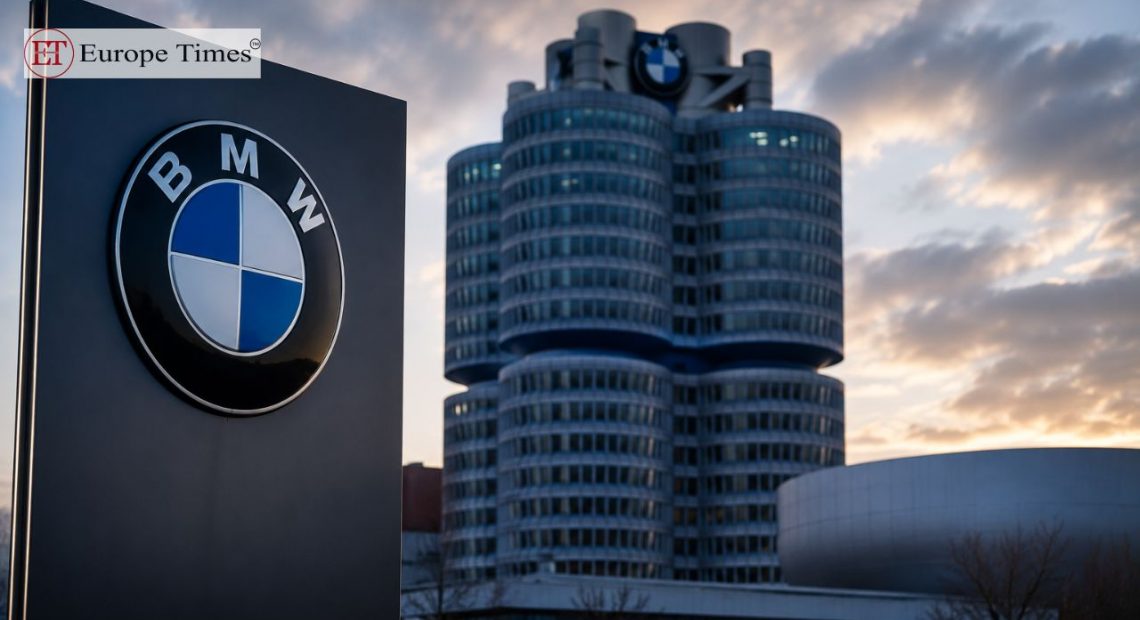
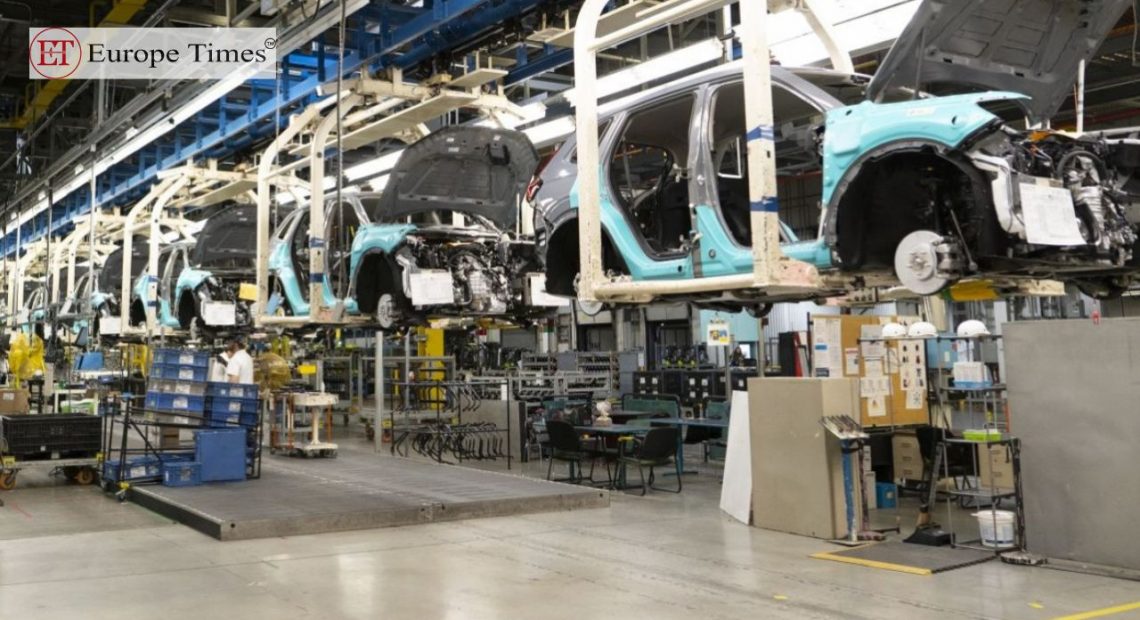
Shares in premium automaker BMW tumbled 8% in early Frankfurt trade following a severe profit warning issued late Tuesday. The company attributed the drastic guidance downgrade to a deepening economic downturn in China and the global fallout from the war in Iran, which has driven up energy costs and severely dented international consumer confidence. Analysts at Deutsche Bank and Jefferies noted that the sudden revision caught the market off guard, representing a far more substantial decline than anticipated.

In response to these compounding headwinds, BMW slashed its 2026 core automotive operating margin forecast to just 1–3%, down significantly from its previous estimate of 4–6%. The Munich-based manufacturer also revised its group pre-tax profits from a projected moderate decline to a “significant decrease,” while warning that vehicle deliveries will likely slide rather than remain steady. To buffer against these losses, BMW announced it will sharply accelerate structural and efficiency cost-cutting initiatives, which will trigger a major one-time negative impact on its earnings in the second half of 2026.

Industry experts suggest that this massive guidance cut signals a broader strategic overhaul for the German luxury automaker. Financial analysts at Jefferies remarked that the impending restructuring will heavily impact BMW’s domestic German operations. They pointed out that the crisis may force the company to reevaluate its global assembly footprint and legacy business model, which remains heavily reliant on exporting internal combustion engine (ICE) powertrain components out of Germany.

Pic courtesy: google/ images are subject to copyright

featured News Trending

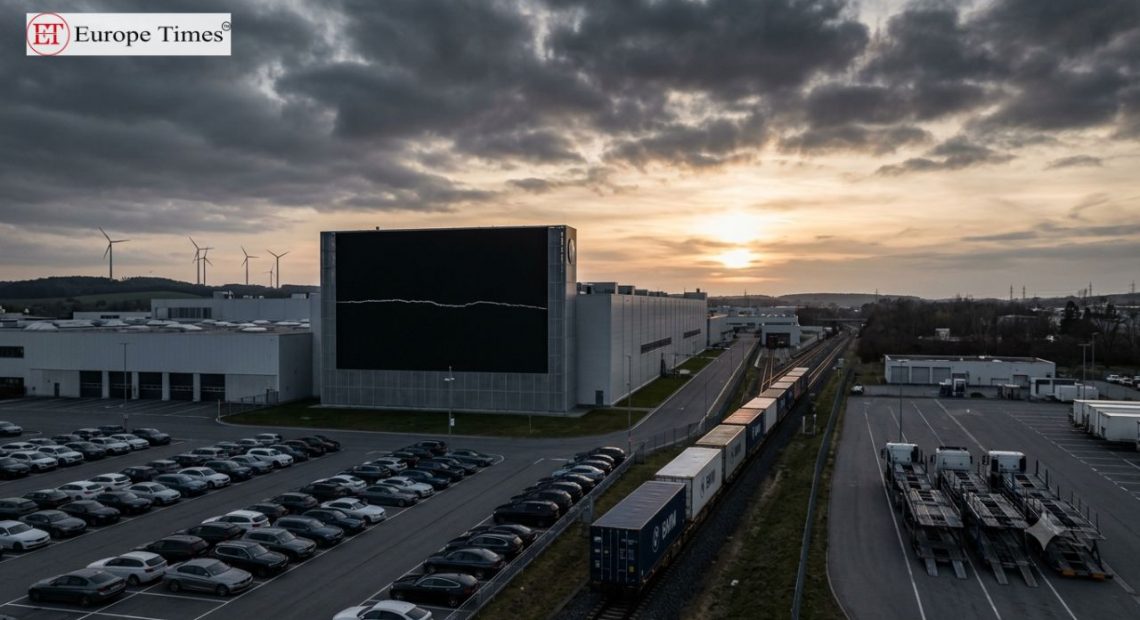
German automakers are losing momentum as global rivals gain ground, according to a new EY analysis. While major automotive groups worldwide posted a 2% increase in first-quarter revenue, German manufacturers recorded a 4% decline, reflecting growing challenges in key international markets.

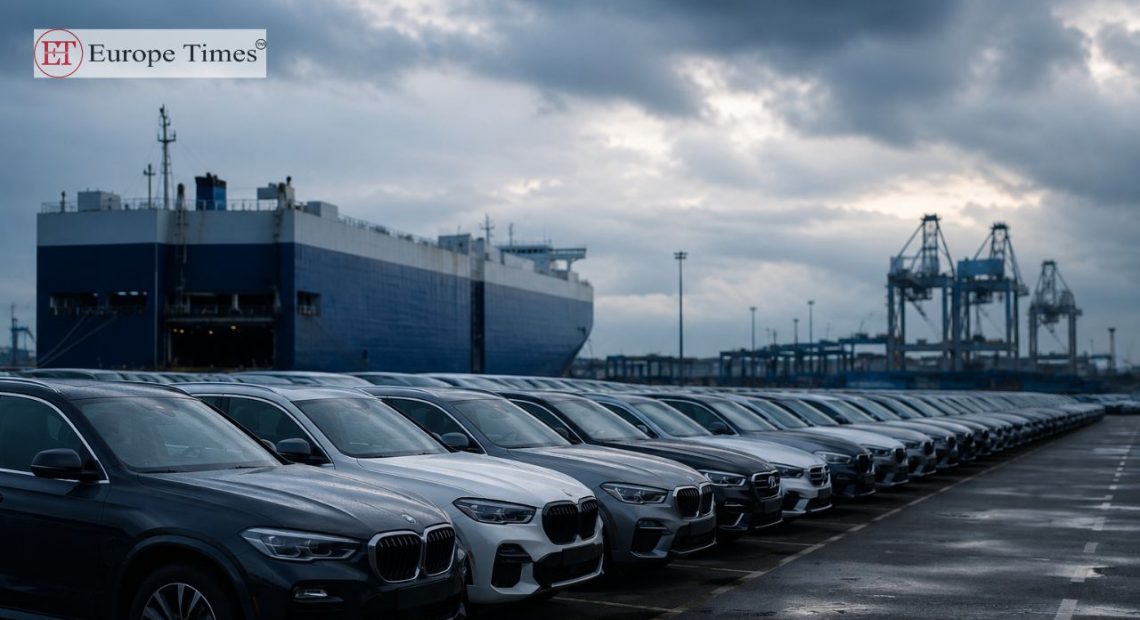
Industry experts point to a combination of factors behind the downturn, including trade tariffs, geopolitical tensions, weakening demand in the United States and China, and the rapid pace of technological change. German carmakers are also grappling with high software development costs, excess production capacity, and a slower-than-expected transition to electric vehicles.

The outlook remains challenging as rising fuel prices and inflation, fueled in part by geopolitical uncertainty, threaten consumer demand across Europe. EY warned that the sector’s structural transformation is far from over, with 2026 likely to remain a difficult year for Germany’s automotive industry.

Pic courtesy: google/ images are subject to copyright

featured News Trending

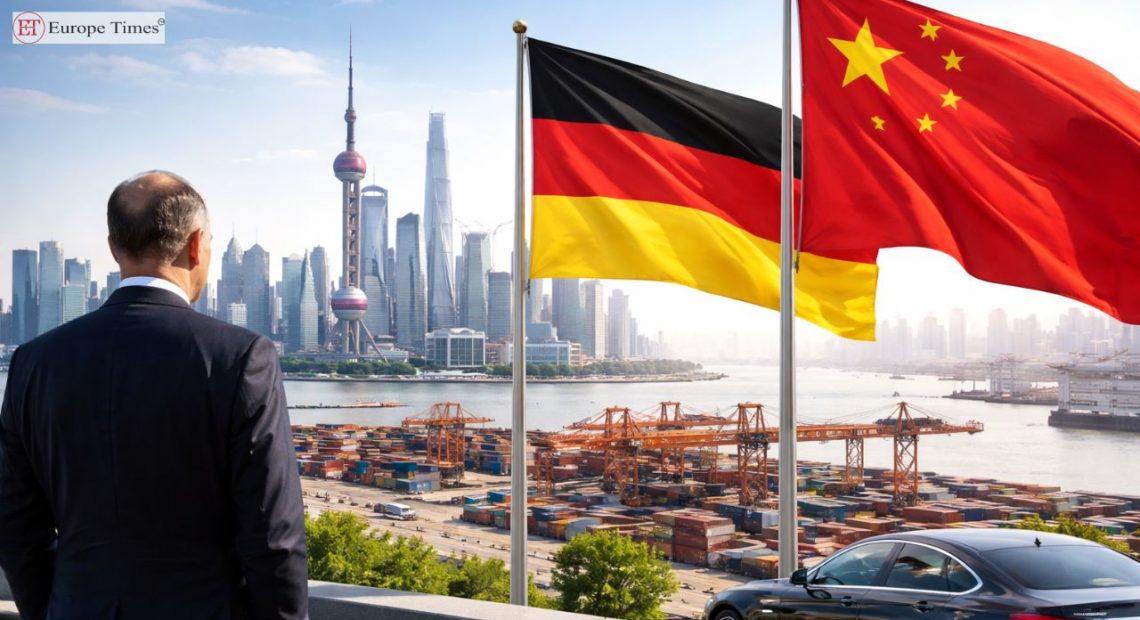
German Chancellor Friedrich Merz has embarked on his first official visit to China, leading a delegation of senior German business leaders, including heads of Volkswagen, BMW, and Mercedes-Benz. The trip aims to strengthen economic ties as Germany faces growing trade deficits and competitive pressures from China’s booming electric vehicle industry. Merz’s visit comes amid concerns over supply chain vulnerabilities and global economic rivalry.

China, Germany’s largest trading partner in 2025, has reversed years of trade surpluses, leaving Germany with a deficit of nearly €90 billion. German officials warn that export controls, overcapacity, and rising competition from Chinese firms have created a challenging environment for German manufacturers, prompting calls for Merz to negotiate better terms for industry.

During his visit, Merz is scheduled to meet President Xi Jinping and Prime Minister Li Qiang, signing economic agreements and visiting major facilities, including a Mercedes-Benz EV plant and Siemens Energy site. The trip reflects Germany’s strategic effort to balance trade relations with China while addressing EU measures protecting local industries from underpriced imports.

Pic courtesy: google/ images are subject to copyright

featured News Trending

Europe’s auto industry is facing renewed supply chain concerns after Dutch semiconductor manufacturer Nexperia suspended wafer shipments from China. The move follows a dispute with management at its Dongguan facility and comes weeks after the Dutch government seized temporary control of the company over national security issues.

Nexperia, whose chips are essential for power systems, sensors, and electronics in vehicles made by Volkswagen, BMW, and Stellantis, informed customers that deliveries were halted from 26 October. Officials in The Hague fear that production capabilities could shift out of Europe amid rising trade tensions with China, which has added its own export restrictions, further complicating component flows.

The European Automobile Manufacturers’ Association has warned that shortages of basic control chips are escalating daily and could soon disrupt assembly lines. Governments and industry groups are now pushing for urgent diplomatic talks to restore supply routes and protect European automotive output through the remainder of the year.

Pic Courtesy: google/ images are subject to copyright