
featured News Trending

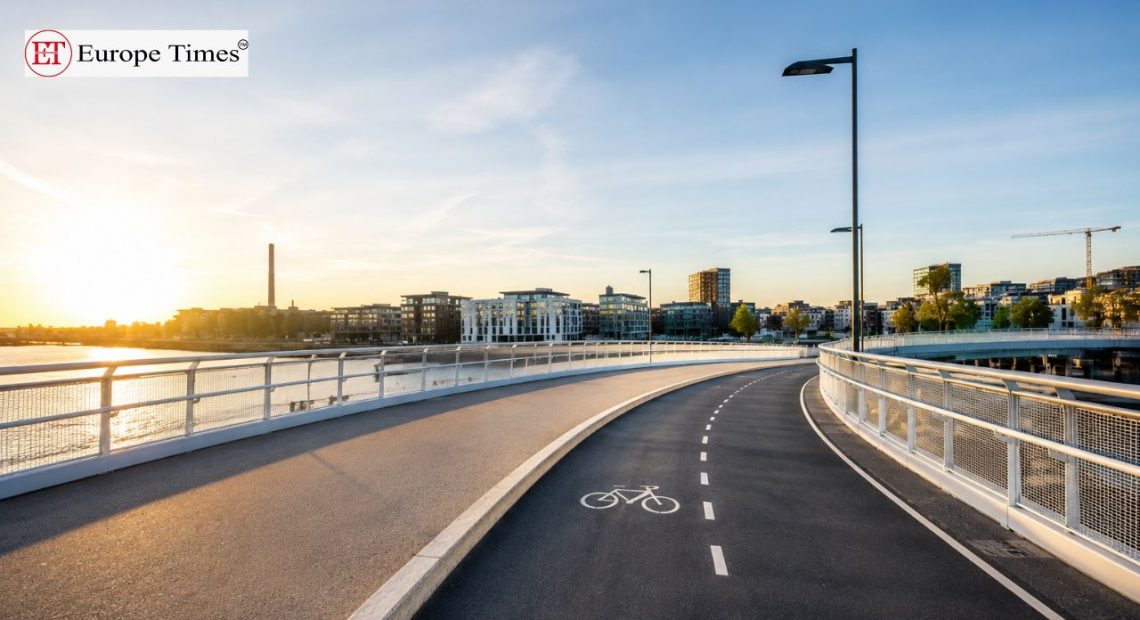
Helsinki is continuing its ambitious push toward sustainable urban transport with major investments in bicycle lanes, tramways, and pedestrian-friendly infrastructure. In April, nearly 50,000 people attended the opening of Finland’s longest bridge — a 1.2-km structure connecting the inner city to nearby islands and designed exclusively for pedestrians, cyclists, and trams. The project, including adjacent bridges and tram investments, cost around 326 million euros.

While city officials say the infrastructure will support greener mobility and reduce car dependency, critics have questioned the rising costs and lack of vehicle access. Helsinki has already developed around 1,300 km of cycling routes, including a growing “bicycle superhighway” network that is expected to expand further by 2029. However, cycling’s share of city transport has remained relatively unchanged over the past decade due to the network still being incomplete and the city’s harsh winter conditions.

Despite criticism, supporters argue the long-term benefits outweigh the expense. Officials are also expanding the tram system and recently approved plans to restrict cars from a major central street near the main railway station. Residents and cyclists have welcomed the improved connectivity, saying the new infrastructure will make commuting faster, safer, and more convenient, especially during the summer months.

Pic courtesy: google/ images are subject to copyright