featured News Trending

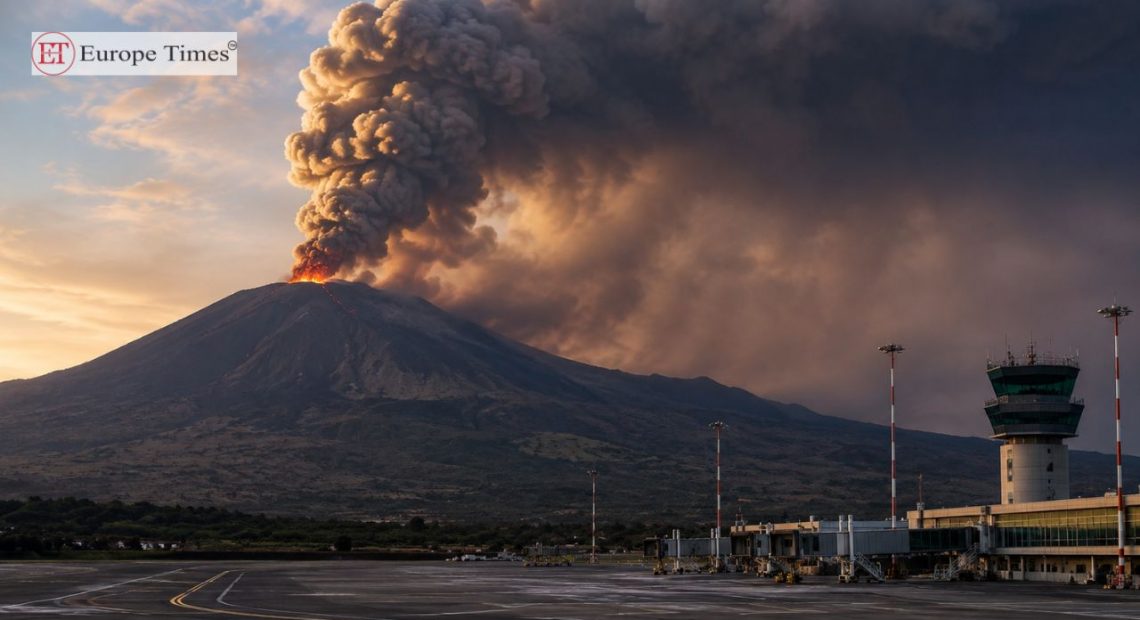
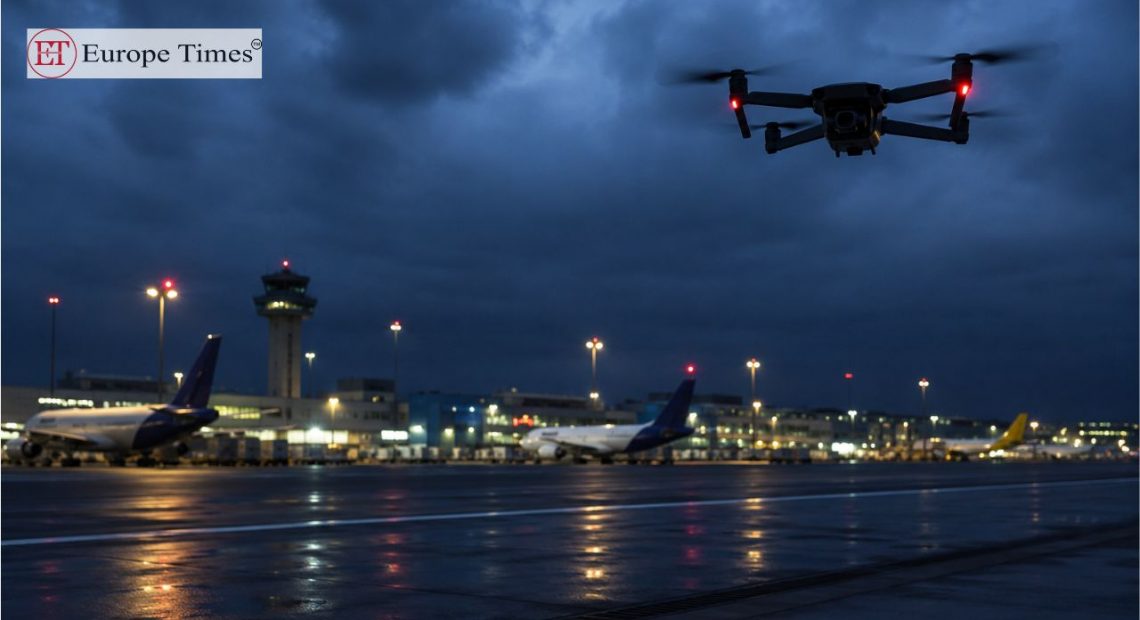
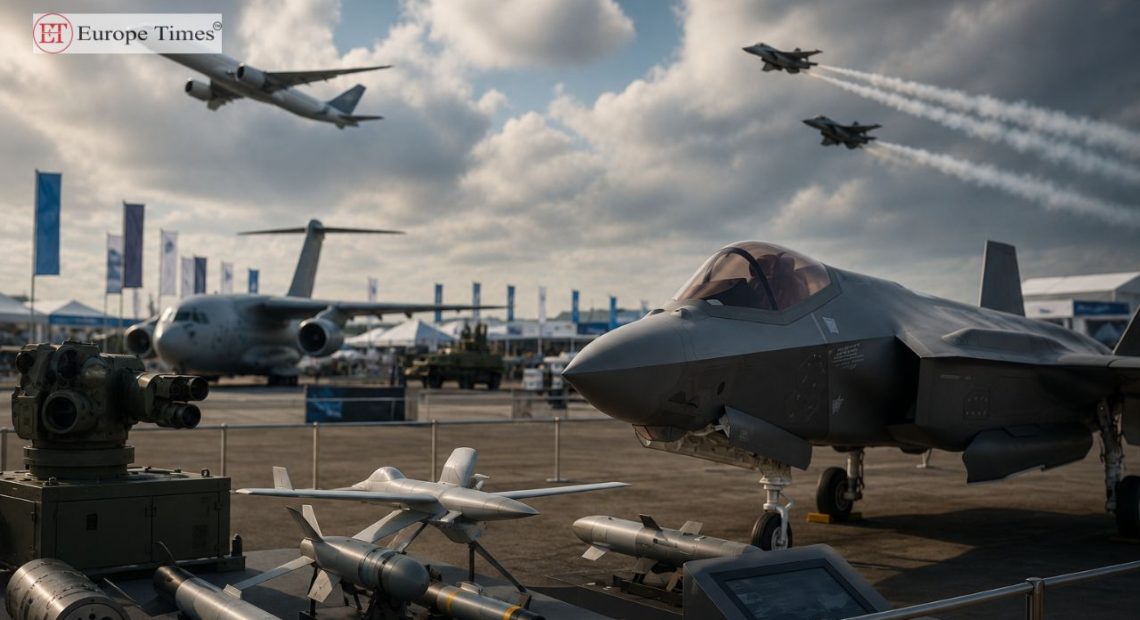
The 2026 Farnborough Airshow is expected to focus more on defence technology than commercial aviation as global security concerns continue to rise. Ongoing conflicts in Ukraine and the Middle East have increased demand for advanced weapons, drones, and AI-powered military systems, making defence companies a major presence at this year’s event. Organisers say defence exhibitors now account for nearly half of the record 1,600 participants.

Industry leaders believe emerging defence startups are reshaping the sector with faster innovation in autonomous and AI-driven technologies. While traditional military platforms such as the F-35 and Eurofighter remain important, experts say future investments are increasingly shifting toward unmanned systems and advanced defence technologies.

On the commercial aviation side, Airbus and Boeing are still expected to announce aircraft orders, but supply chain challenges and production constraints are likely to limit major deals. Manufacturers remain focused on increasing aircraft deliveries and overcoming ongoing shortages of critical components and jet engines to meet growing global demand.

Pic courtesy: google/ images are subject to copyright

featured News Trending

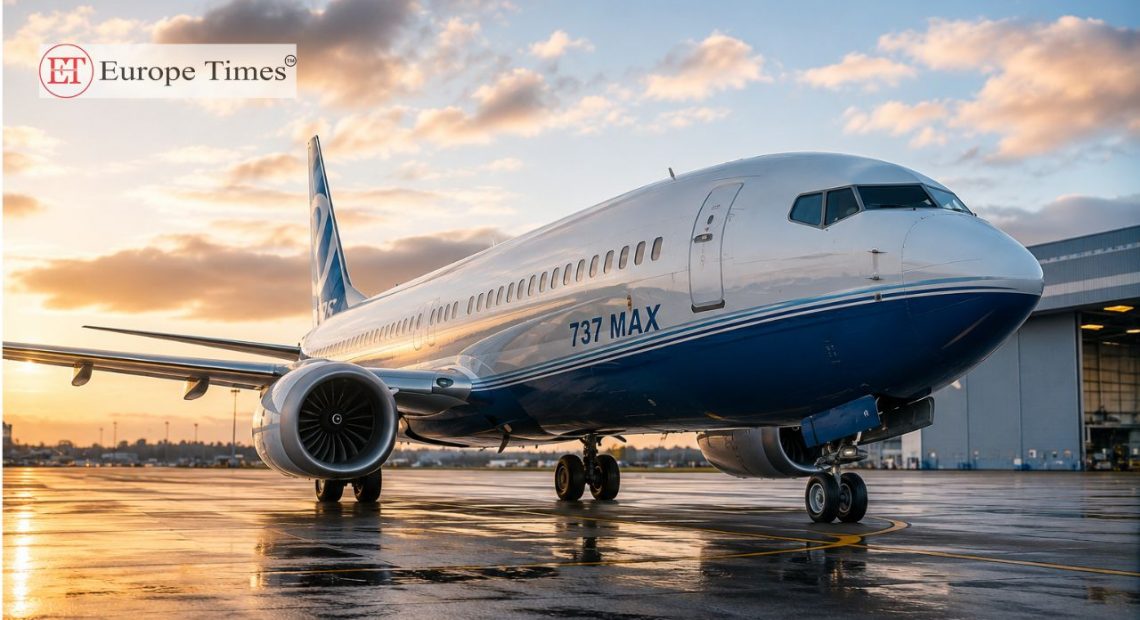
Boeing is in the final stages of securing regulatory approval for a redesigned engine anti-ice system on its 737 MAX aircraft, a key step toward certifying the delayed MAX 7 and MAX 10 variants. The updated system addresses a potential overheating issue that could lead to engine failure and has been the primary obstacle preventing the two models from entering commercial service.

The company said the 737 MAX 10 has completed 98% of its certification flight testing, with only two test flights remaining. Boeing has already built around 30 MAX 7 aircraft and nine MAX 10 jets awaiting delivery. Once approved, airlines operating existing 737 MAX aircraft will also need to retrofit the improved anti-ice system during scheduled maintenance to minimize operational disruption.

The certification process has faced years of delays following increased regulatory scrutiny after the fatal 737 MAX crashes in 2018 and 2019, as well as quality concerns raised in recent years. Boeing also confirmed that its new safety enhancements, including an updated flight crew alerting system, will be installed across the entire 737 MAX fleet within two years of regulatory certification.

Pic courtesy: google/ images are subject to copyright

featured News Trending

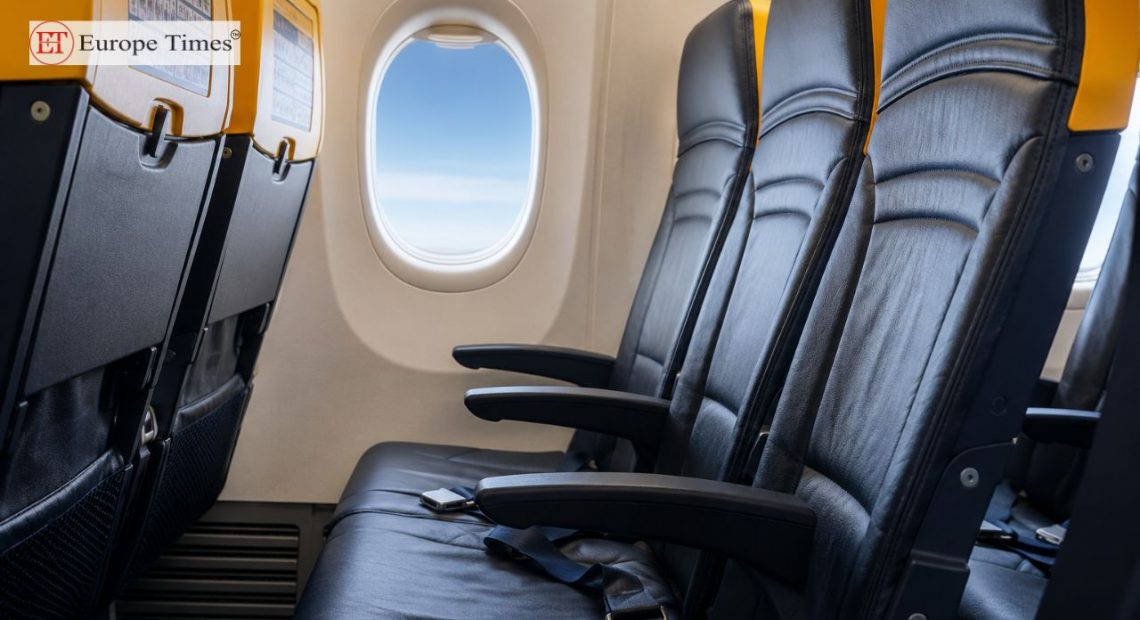
The UK’s Competition and Markets Authority (CMA) has launched an investigation into Ryanair over charges imposed on parents who want to sit next to their children on flights. The regulator is examining whether the airline’s “mandatory family seat” policy, which typically costs around £8 each way, is unfair under consumer protection laws. Ryanair’s terms require parents to sit with children aged between two and 11, raising concerns that families may be paying extra for a requirement linked to child safety obligations.

The CMA will also assess whether the seat reservation fee is clearly presented during the booking process or added later as an extra charge. According to the watchdog, Ryanair appears to be the only major airline operating from the UK that charges parents in this way, while other carriers generally seat families together at no additional cost. The investigation remains at an early stage, and the CMA has not yet concluded whether any laws have been broken.

Ryanair has strongly rejected the investigation, describing it as “bogus” and insisting its family seating policy complies with all applicable laws. The airline stated that only one adult seat reservation fee is charged per booking, while up to four children can be seated next to that adult free of charge. Consumer group Which? welcomed the CMA’s move, arguing that families should not be forced to pay extra simply to sit with young children during flights.

Pic courtesy: google/ images are subject to copyright

featured News Trending

The European Cockpit Association (ECA) is urging European regulators to close what it describes as a loophole that allows airlines to hire pilots and cabin crew through outsourcing agencies instead of employing them directly. The union argues that the practice weakens worker protections and leaves aviation staff vulnerable to sudden job losses and reduced employment benefits.

The issue gained attention following the collapse of Latvia-based wet-lease carrier SmartLynx Airlines in late 2025. Hundreds of pilots and cabin crew reportedly lost their jobs, with many still awaiting final payments. Former employees said they were directed to join through third-party staffing agencies rather than being hired directly by the airline.

The ECA says the problem extends beyond a single airline and reflects broader employment practices in the ACMI (aircraft, crew, maintenance and insurance) sector. A 2025 study by the University of Ghent found that pilots employed through such arrangements reported higher job insecurity, poorer mental health and greater reluctance to report fatigue, prompting calls for stronger labour protections across Europe’s aviation industry.

Pic courtesy: google/ images are subject to copyright

featured News Trending

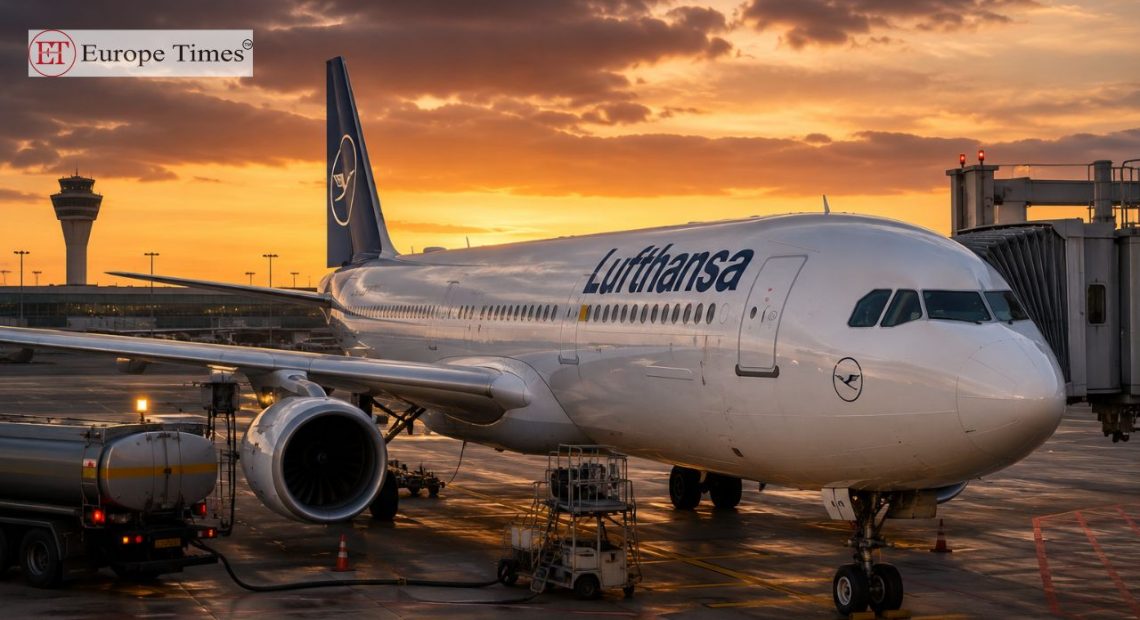
Europe could face a severe jet fuel shortage within weeks as disruptions in Middle East supply chains intensify, according to the International Energy Agency. The closure of the Strait of Hormuz has sharply reduced exports, pushing prices to record highs and raising concerns that stocks could hit critical levels by June if alternative supplies are not secured.

The IEA warned that even with increased shipments from countries like the US and Nigeria, Europe may only be able to replace just over half of its lost imports. Since the region typically relies on the Middle East for around 75% of its jet fuel, analysts say shortages could begin to affect airports, potentially leading to flight cancellations, especially during the busy summer travel season.

While officials and industry groups say there is no immediate disruption, they acknowledge growing risks ahead. Airlines and governments are exploring contingency measures as rising fuel costs already impact operations. If supply constraints persist, smaller airports could be hit hardest, even as major hubs are prioritized for limited fuel availability.

Pic courtesy: google/ images are subject to copyright