featured News Trending

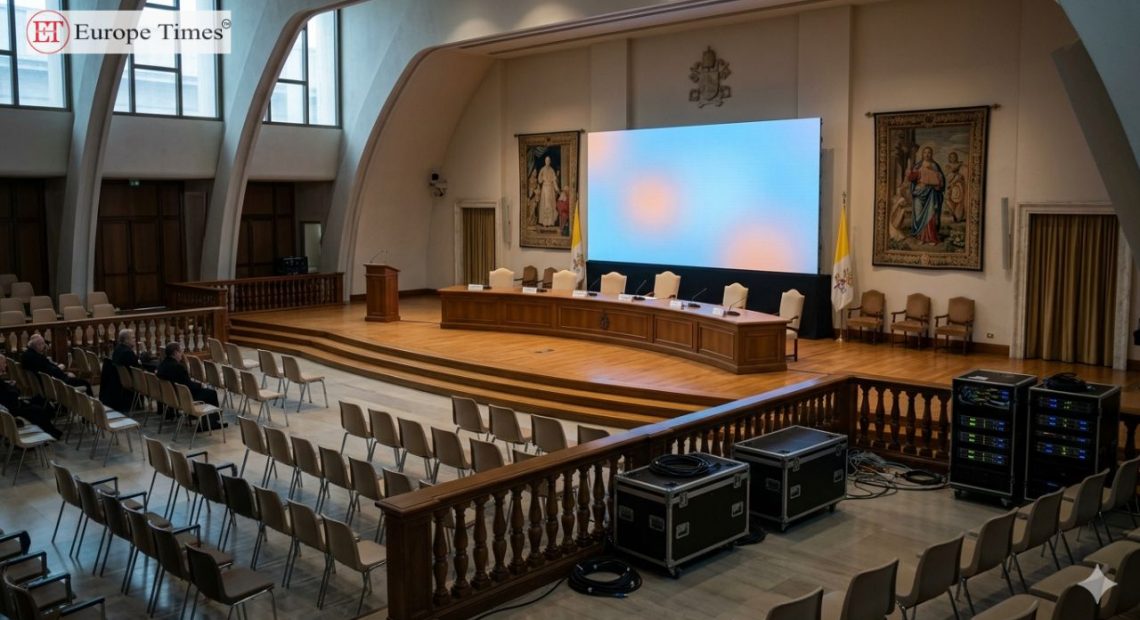
Anthropic co-founder Chris Olah stated on Monday that the development of artificial intelligence cannot be left entirely to technology companies, calling for increased oversight from religious leaders, civil society, and governments. Speaking at the Vatican alongside Pope Leo XIV during the presentation of the pope’s first encyclical on AI, Olah warned of “a real possibility” that AI could displace human labor on a massive scale. He emphasized that if widespread job displacement occurs, supporting those affected will become a moral imperative of historic proportions.

Olah acknowledged that frontier AI laboratories operate under intense commercial, geopolitical, and personal pressures that can conflict with the broader interests of society. He noted that even well-intentioned researchers are influenced by these constraints, making independent outside scrutiny absolutely essential to steer the technology safely. As the creator of the Claude AI tools, US-based Anthropic has previously clashed with President Donald Trump’s administration by insisting on guardrails that restrict its models from being utilized for autonomous weapons targeting or domestic surveillance.

Welcoming the Catholic Church’s engagement, Olah highlighted three critical areas requiring urgent global attention: the risk of widespread job losses, the challenge of interpreting complex and opaque AI system behaviors, and the need to ensure AI benefits are shared globally rather than remaining concentrated in a handful of wealthy nations. He asserted that the ethical questions raised by AI extend far beyond the engineering community, calling for earnest critics to help guide the creation of these powerful systems. The event marked a unique convergence between the tech sector and the Church, which is actively positioning itself as a moral authority on AI advancement.

Pic courtesy: google/ images are subject to copyright

featured News Trending

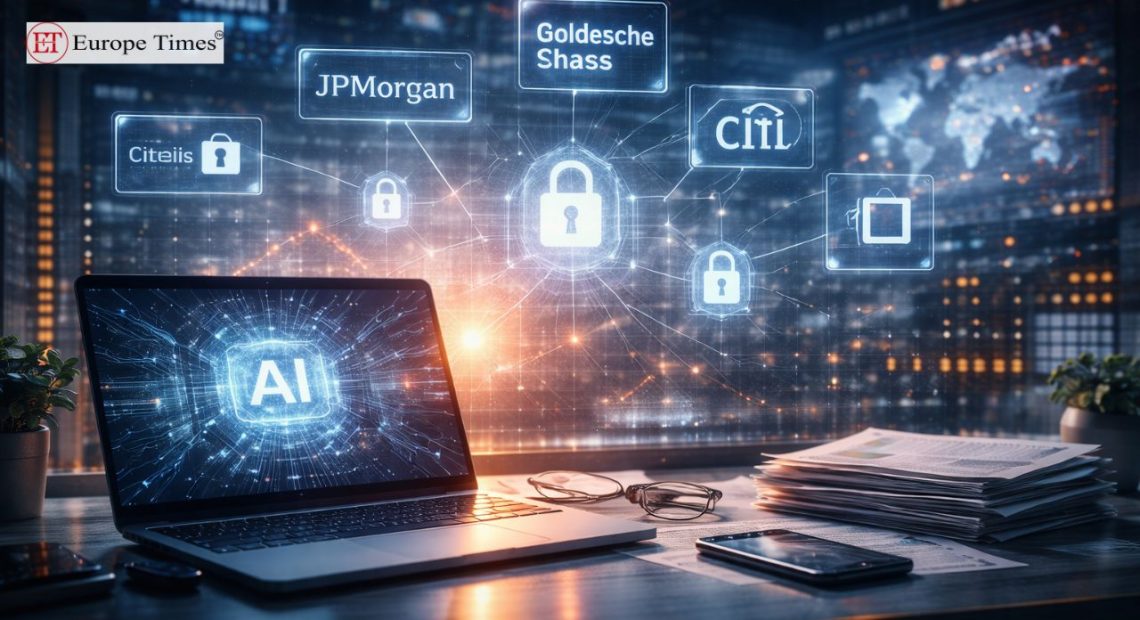
The launch of Anthropic’s advanced AI model Mythos has triggered a rush among global banks to secure access, while regulators intensify scrutiny over potential cybersecurity risks. Officials at the International Monetary Fund meetings recently flagged concerns that the model’s capabilities could challenge banks’ legacy systems and expose vulnerabilities.

Major financial institutions including JPMorgan Chase, Goldman Sachs, Morgan Stanley, and Citigroup have either confirmed or are reported to have access to Mythos, using it to test internal systems and cyber defenses. Meanwhile, Deutsche Bank CEO Christian Sewing said lenders are coordinating with regulators and trying to gain entry, though access remains tightly controlled.

Regulators across Europe, the U.S., and Asia are evaluating how prepared banks are to handle emerging threats, with some warning that Mythos is significantly more capable in cyber offense than previous AI models. Authorities are assessing risks through existing resilience frameworks, as industry leaders caution that such technologies could reshape the cybersecurity landscape and introduce more advanced threats in the near future.

Pic courtesy: google/ images are subject to copyright