featured News Trending

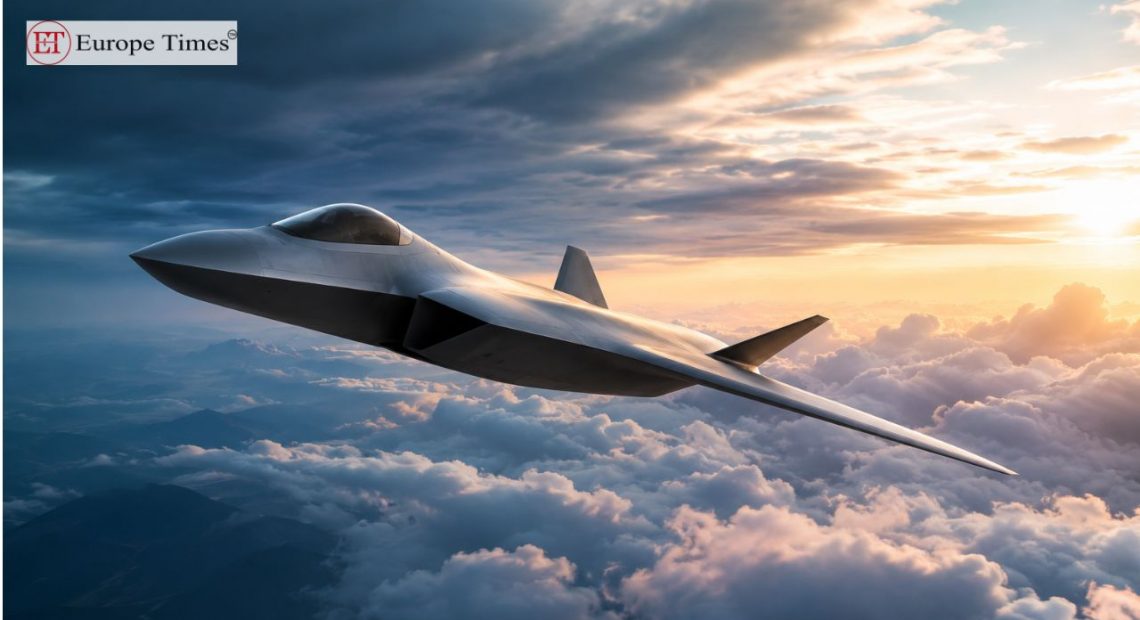
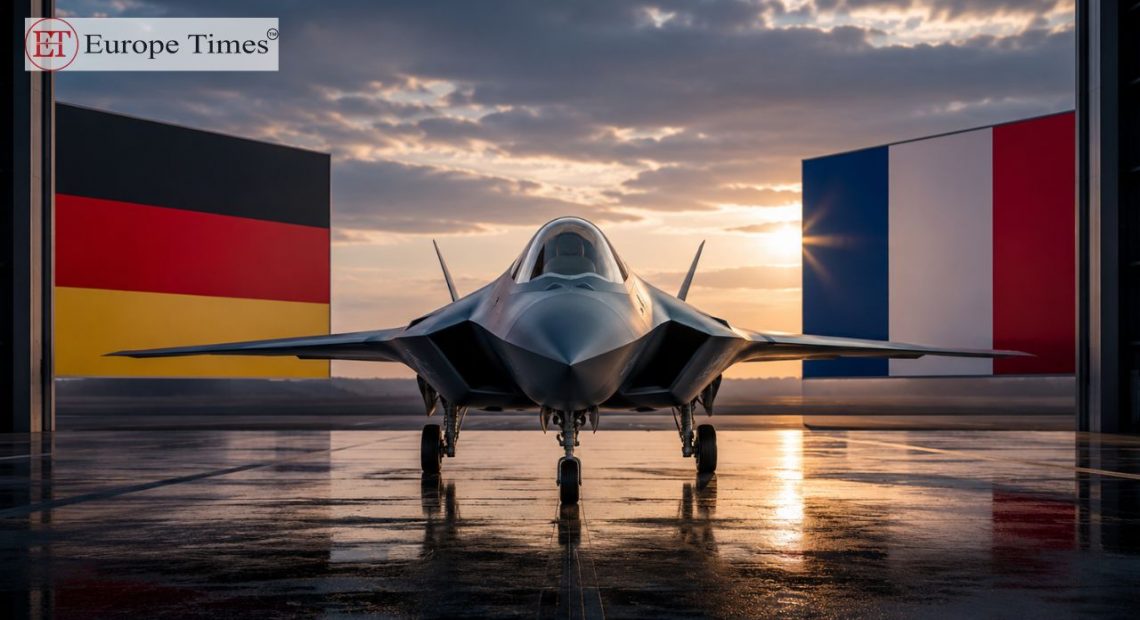
Germany has decided to withdraw from the joint Future Combat Air System (FCAS) fighter jet programme with France, bringing an end to one of Europe’s most ambitious defence collaborations. Launched in 2017 by former German Chancellor Angela Merkel and French President Emmanuel Macron, the project aimed to strengthen European defence capabilities and reduce reliance on external partners.

The programme faced years of disagreements between key industry partners, including Dassault Aviation and Airbus, over leadership, responsibilities, and aircraft design. France preferred a lighter carrier-capable fighter, while Germany sought a larger aircraft focused on air superiority, making it difficult to align their military requirements.

The decision comes amid growing European defence spending and changing security priorities following the war in Ukraine. German Chancellor Friedrich Merz had already questioned the long-term relevance of a costly manned fighter jet programme. While some FCAS components may continue, the cancellation highlights ongoing challenges in achieving deeper European defence integration.

Pic courtesy: google/ images are subject to copyright

featured News Trending

Germany and France have agreed to end their ambitious joint project to develop a next-generation fighter jet after years of disagreements between key industry partners. German Chancellor Friedrich Merz and French President Emmanuel Macron concluded that there was little chance of resolving the deadlock between Airbus and Dassault Aviation, leading to the decision to scrap the fighter aircraft component of the programme.

The project, launched in 2017 as part of the Future Combat Air System (FCAS), was intended to be Europe’s flagship defence initiative, combining advanced fighter jets, drones and secure combat networks. However, disputes over design requirements, intellectual property rights, project control and development responsibilities repeatedly stalled progress. The collapse comes as Europe faces growing security concerns and increasing pressure to strengthen its defence capabilities.

Despite ending the fighter jet programme, officials are reportedly exploring a compromise that would allow other FCAS elements, such as advanced combat communication systems, to continue under the same framework. While both countries reaffirmed their commitment to defence cooperation, the project’s failure highlights the challenges Europe faces in developing major joint military programmes.

Pic courtesy: google/ images are subject to copyright

featured News Trending

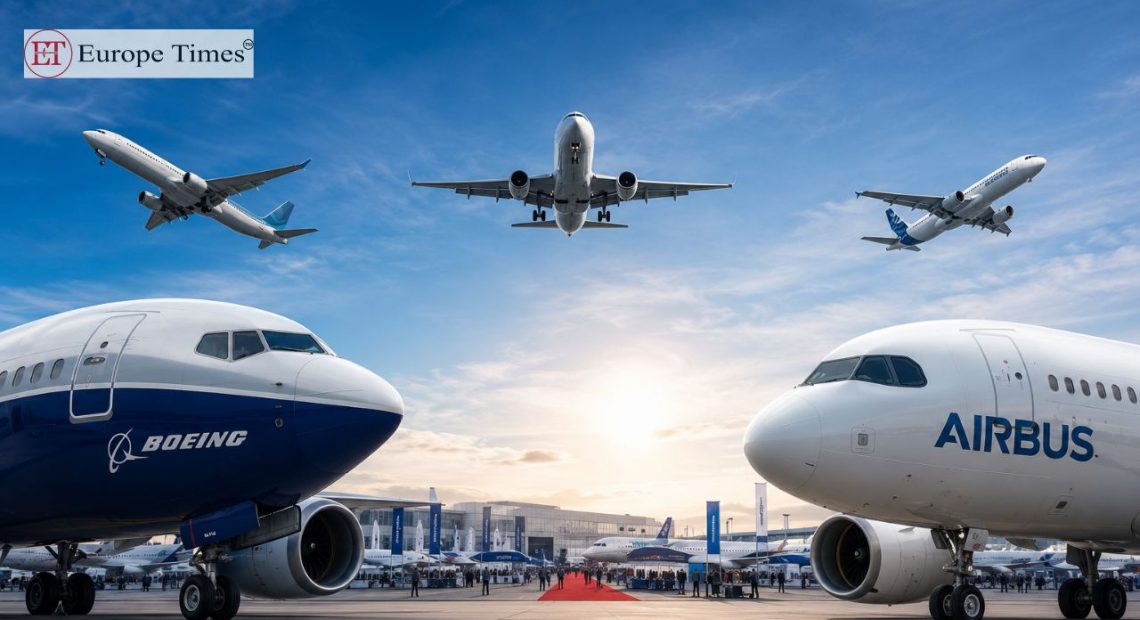
Global aircraft leasing companies say they remain resilient despite rising geopolitical tensions and market volatility, citing supply shortages and decades of crisis experience as stabilising factors. Speaking at an industry gathering in Dublin, leasing executives said the sector’s ability to move aircraft across borders and preserve tariff-free trade has helped shield it from recent global shocks.

A large backlog of jet orders at Boeing and Airbus has handed lessors significant control over new aircraft deliveries well into the next decade, supporting lease rates, resale values and profits. Executives said manufacturing issues and limited supply have placed “guardrails” around the industry cycle, keeping demand firm even as global markets remain unsettled.

While risks have increased following past crises including COVID-19 and Russia’s seizure of leased aircraft, industry leaders said long investment horizons help absorb shocks. At the same time, consolidation is accelerating, with a widening gap between lessors with large order books and smaller rivals. Executives said barriers to entry are rising, and attention is now focused on the potential sale of Macquarie AirFinance, which could reshape the competitive landscape.

Pic courtesy: google/ images are subject to copyright

News Trending

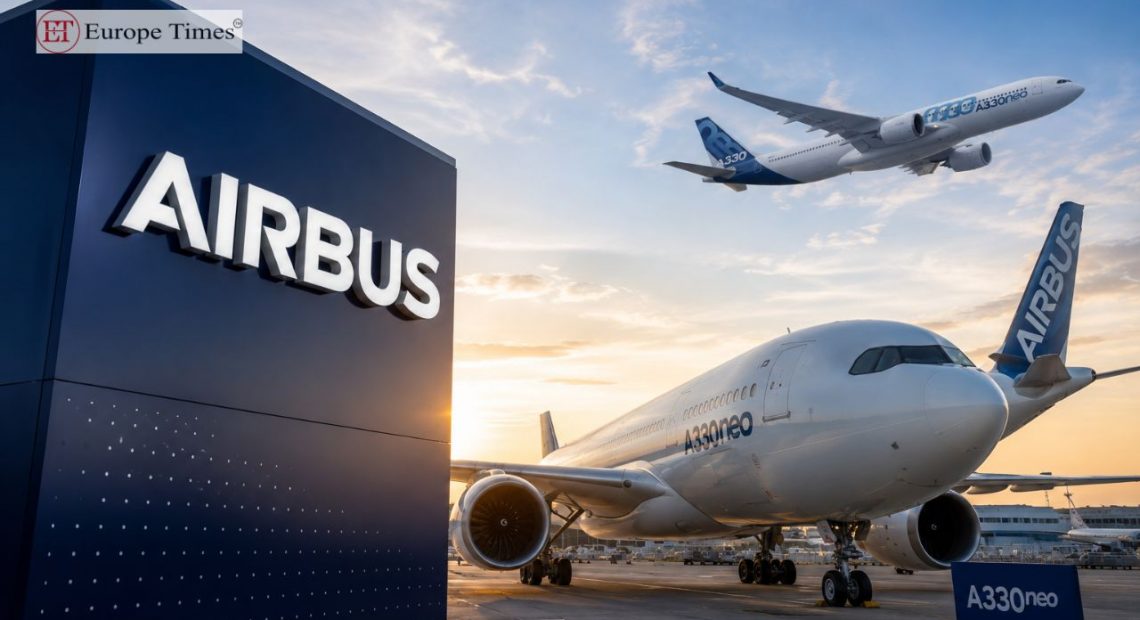
It’s difficult to avoid feeling a little overawed by the Toulouse Airbus facility.

It is a sizable facility where 28,000 employees work alongside hundreds of visitors who are anxious to watch the planes being constructed.

The massive Beluga freight jet is waiting to fly cars and satellites all over the world as it sits stationed at a loading dock.

The hangar where the Concorde supersonic passenger plane was created is not far from where we do our interviews.

A lot of Airbus research and development is being conducted at this location, including the recently completed Project Dragonfly, an attempt to increase the capabilities of the autopilot.

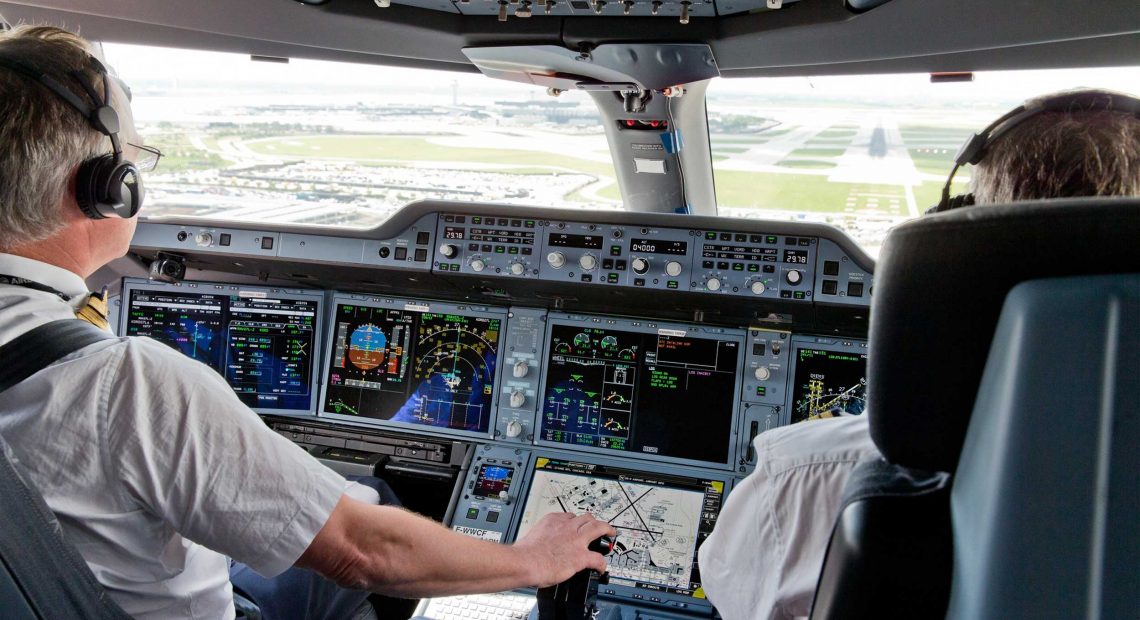
The function of the pilot has changed significantly during the past 50 years due to aviation technology. Today’s pilots benefit greatly from the technology in the cockpit.

On an Airbus A350-1000, Project Dragonfly significantly increased the autonomy of the aircraft.

Improved autonomous landing, taxi assistance, and automated emergency diversion were the three areas on which the project concentrated.

The concept is that if the pilots need to concentrate on making important decisions or if they were to become disabled, this technology would take over.

The aeroplane can descend and land on its own while identifying other aircraft, the environment, and the terrain.

The technology also enables the employment of a synthetic voice produced by artificial intelligence for radio communication between the aircraft and air traffic control.

It is a lot for the systems of the aircraft to handle.

Two emergency descents by Project Dragonfly went well.

The aircraft landed successfully on the test flights since French air traffic controllers were well aware of the circumstances.

“It was really an amazing feat,” recalls Mr. Mendes.

Project Dragonfly investigated the use of several sensors to assist an automatic landing by an aeroplane.

It included combining the use of radar, infrared, and standard cameras.

In order to mimic various meteorological situations, the researchers collected gathered data from around the globe.

What do pilots think of these changes? Some people oppose pushing technology too far.

Tony Lucas, president of the Australian and International Pilots Association, said: “I don’t know if any pilot is particularly comfortable with the computer being the sole arbiter of whether or not a flight successfully lands.”

From his base at Sydney Airport, he said, “Two well-trained and rested pilots on the flight deck cannot be replaced by automation in the decision-making process.

Mr. Lucas cited the Boeing 737 Max as an example, in which an automated system resulted in two catastrophic disasters in 2018 and 2019.

Airbus is keen to stress out that more automation won’t be implemented until it is safe to do so and that keeping pilots in the cockpit is not the goal.

However, is it possible that someday, no pilots will be required for passenger plans?

According to Mr. Ridley, fully autonomous aircraft would only ever fly if doing so was unquestionably and safely the best option for protecting our passengers and crew.

Picture Courtesy: Google/images are subject to copyright