
Berlin Blackout Sparks Fresh Fears Over Germany’s Vulnerability to Sabotage
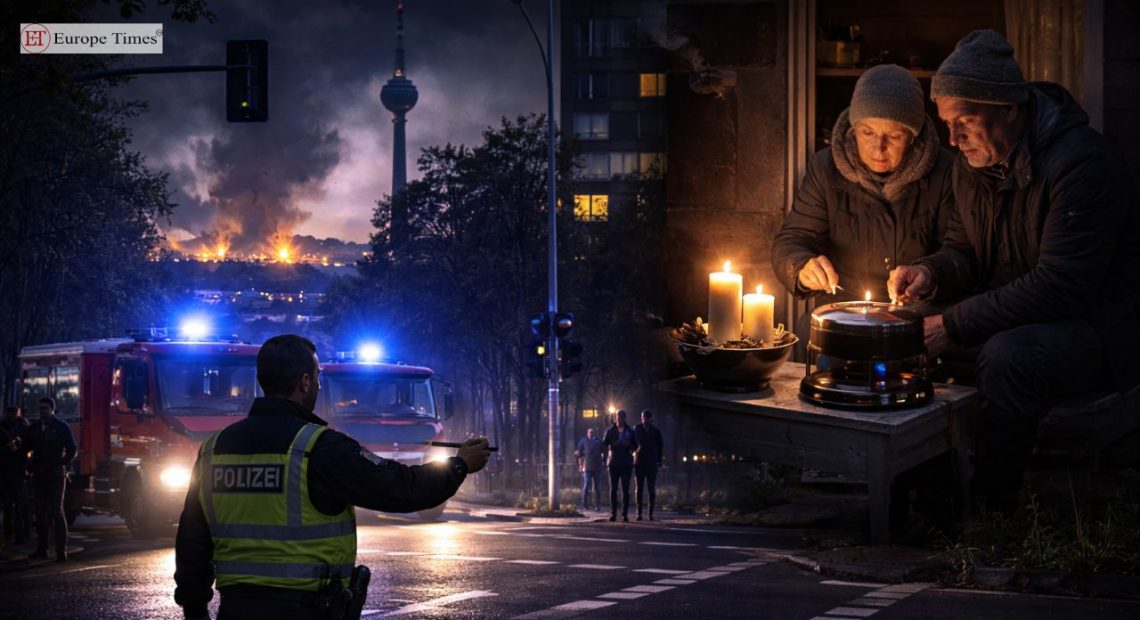
Power is being restored to the last homes affected by a five-day blackout in Berlin, believed to have been caused by an arson attack during sub-zero temperatures. The outage, reportedly the longest in the capital’s post-war history, left an estimated 100,000 people without electricity in south-west districts including Steglitz-Zehlendorf. Schools, hospitals and care homes were among the facilities impacted, with hospitals forced to rely on emergency generators and some schools closing temporarily.
Residents described struggling through the freezing conditions, cooking on camping stoves and relying on battery-powered radios for information. Emergency services patrolled neighbourhoods to update residents as electricity was restored gradually. The incident followed the discovery of burning cables near a gas-fired power plant, after which a far-left militant group known as Vulkangruppe appeared to claim responsibility, saying it targeted the fossil fuel industry. A later online statement, however, distanced the group’s founders from the attack.
The blackout has reignited debate over Germany’s vulnerability to sabotage, whether by domestic or foreign actors. Federal prosecutors are investigating the incident as a possible terrorism offence, including charges related to sabotage and disruption of public services. The episode has added urgency to proposed legislation aimed at strengthening protections for critical infrastructure, with a long-delayed “Kritis” bill currently under parliamentary consideration.
Pic courtesy: google/ images are subject to copyright