India is at present at a crucial juncture. Not any
time in its nearest history, the country has come to this point. The
coronavirus outbreak, which originated in China, is what that bothers the
country – and the world – at this moment. As its proper solution is nowhere
near, the ray of hope is still unclear.
Even in this situation, Indians have a confidence that
many others across the world lack. It is that they are governed by a powerful
and visionary Prime Minister. The people of the world’s largest democratic
country admire the confidence shown by their PM to take the bold step of
lockdown to contain the spread of coronavirus.
Though the 21-day lockdown was a shock to many, most
experts, inside the country and abroad the world, consider the decision as
inevitable. If the spread of the virus is not contained in this stage, it may
not be possible in future.
India is at present in the right track. If the things
progress in this direction, the country will see the emergence of the ray of
hope soon.
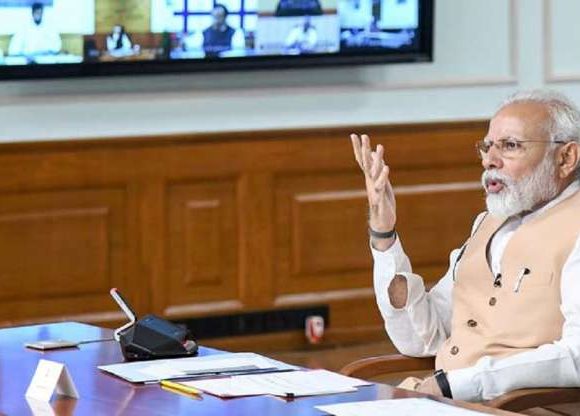
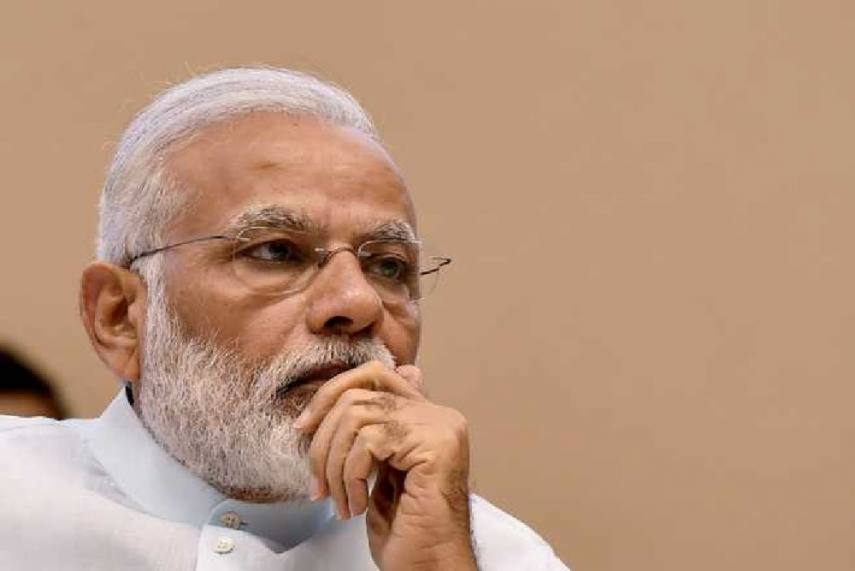
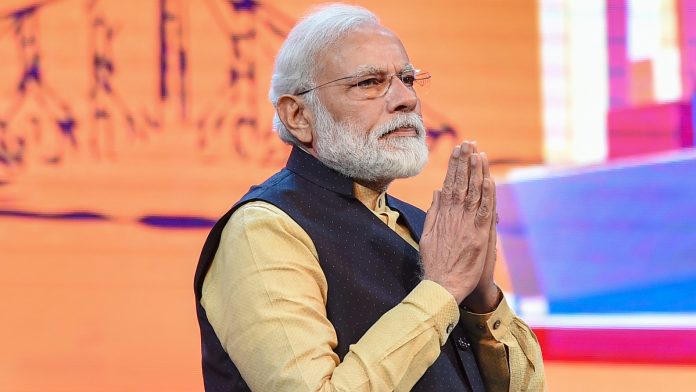
The central government, under the leadership of Prime Minister Narendra Modi, is working day and night tirelessly to help the country overcome the present crisis. It deserves special appreciation for the dedication it shows to support its people.
A country like India, with a not-so-advanced health
infrastructure, is highly vulnerable. Its vast population is another threat.
The country, however, proves that with a dedicated
leadership at the helm the country is powerful enough to confront any crisis.
Within hours after the announcement of the lockdown
plan, a Rs.1.7 lakh crore lockdown package was rolled out. The central leadership’s
care for the poorest of the poor and the most vulnerable of the vulnerable of
the country is commendable.
The package offers an insurance cover worth Rs. 50
lakh per person for government medical workers, a food support of 5 kg rice or
wheat per family every month for next three months for 80 crore poor people, a
hike in the MGNREGA wage, and many more.
It is his leadership experience which gives the PM
confidence to handle this crisis. The country is very fortunate to have such a
person at the helm at this situation.
Even certain world leaders have recognised and appreciated Indian PM’s effort to reach out to the world with support to tackle the virus outbreak.
Importantly, almost all South Asian countries have
welcomed India’s emergence as the leader of the region in its effort to weed
out the threat of this virus from the region.
It is the perfect movement to recall how correct the
decision taken by the country during the 2019 general election – in which the
PM’s party, BJP, was voted to power with an overwhelming majority – was.
There is no wonder that Mr. Modi is the first Prime
Minister outside the Indian National Congress – which had been a dominant party
in the country until the year 2014 – to win two consecutive terms with a
comfortable majority.
Mr. Modi began his political career as an RSS
activist. It was with the blessings of the right-wing organisation he joined
the BJP. It took not many years for the leader to rise to the top of the
political party.
He was the Chief Minister of Gujarat. He ruled the
state from 2001 to 2014. It was considered as a glorious period of the state.
The state achieved a huge economic growth during the period. His government
received serious appreciation for the economic growth it achieved.
When he was projected as the Prime Ministerial candidate
of the BJP during the 2014 general election, there was no surprise. As
expected, under his leadership, the BJP uprooted the INC – which was struggling
to escape from its tainted image as a corrupted political party.
His first tenure as the PM was eventful. He initiated
several revolutionary steps – especially in the economic front. The
demonetisation of the higher denomination banknotes of Rs. 1,000 and Rs. 500
and the introduction of the Goods and Services Tax were some of them.
His return to power for the second consecutive term
was rather impressive than the first. It was made even simple by the
infightings between the opposition parties.
In the 2019 general election, he retained his seat of
power and increased his party’s majority in the lower house of the parliament
considerably.
Just a year has passed since the commencement of the
second term. It is still premature to access the second term of the Modi
government.
The cancellation of the special status offered to the
Jammu and Kashmir and the introduction of the Citizenship Amendment Act are the
two major steps taken in this term. Both have attracted mixed responses.
Since the year 2014, India has achieved several
commendable progresses – especially in terms of its relation with certain foreign
powers like the US. It has improved its image as a promising global power.
In the economic front as well as in the defence front,
the world’s second most populated country is now an unavoidable power.
It now plays a leadership role in certain multilateral
organisations based in the Asian region like SAARC and BIMSTEC. It is at
present not less than a regional hegemon. It is also an active member in
various forums for global leaders like G20.
Indians owe its top leader for the successes their
country has achieved since the year 2014 – since the BJP was inducted to the
seat of power.
Extraordinary times demand extraordinary leaders.
“A genuine leader is not a searcher for consensus, but a molder of consensus” – Martin Luther King Jr
Photo Courtesy: Google/ images are subject to copyright
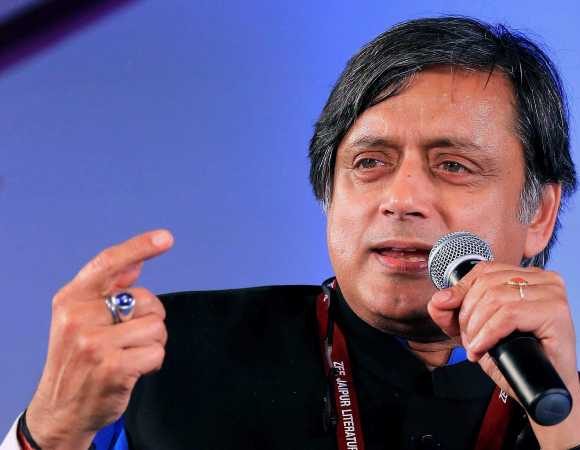
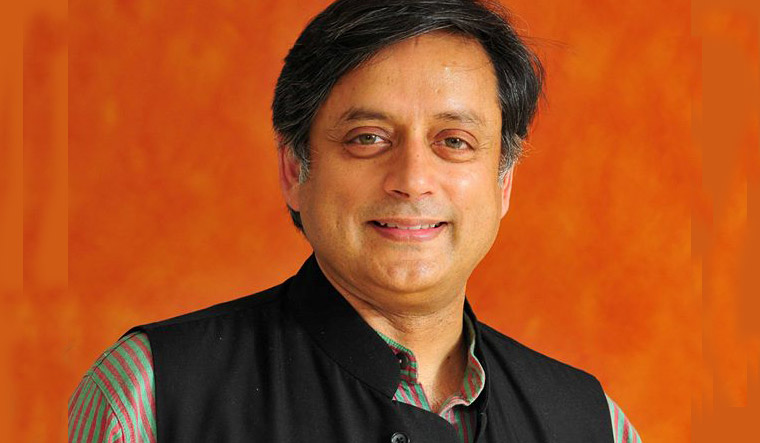
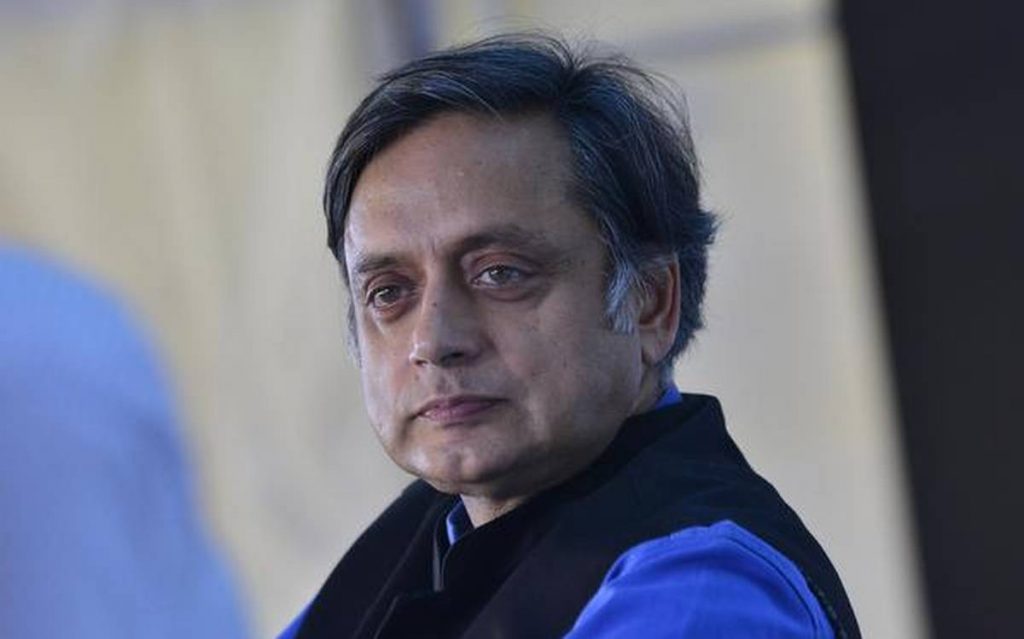
Dr. Shashi Tharoor’s bio on his
ever-buzzing Twitter page reads ‘MP for Thiruvananthapuram, Author of 20 books,
Former Minister of State, Govt of India, Former Under-Secretary General, United
Nations’. The order is questionable. While his credentials as a bestselling
author or a prolific career in the international body are well established, his
modern-day political hat offers an interesting quandary worth unpacking.
Even to seasoned pundits,
Tharoor’s journey since the commencement of his political career in 2007, could
not be more different from the diary of a textbook politician. And often (or
perhaps consequently) there has been a rush to categorise Tharoor as a fish out
of water in Indian politics.
Not just because of certain personality traits of the three-term Member of Parliament, universally regarded as a suave, articulate and astute leader, are perhaps qualities less than commonly associated with our perception of the political class. Or because despite his verified credentials and potential he frequently appears to be underutilised by his own party, even it faces an existential crisis no. Or because unlike many he bumps into at Parliament’s Central Hall, Tharoor’s ascension to the very top is neither the product of a helpful lineage in this line of work nor by cutting his teeth in the swirl of party-affiliated student politics. Indeed the question of what an individual like Tharoor is doing investing his time, energy and legacy in Indian politics is one that has puzzled many.
His upbringing and career offer
little clues. Born in London, Tharoor’s early years were spent between the
teeming metropolises of Kolkata, Mumbai and then New Delhi where he read
History at the premier Anglican establishment of St. Stephens College. Though
he made a name for himself as a champion debator, a talented thespian and
perhaps even displayed inklings of a future diplomat thanks to the various
favourable exemptions he secured from the administration during his tenure as
President of the college union, the ingredients of a conventional politician in
the making were conspicuously absent during his formative years.
Following his years in Delhi University, despite securing admissions to two premier IIMs and the option of vaulting into the bureaucracy through the prestigious civil services examinations, Tharoor, then 19, chose to travel overseas to Tufts University’s Fletcher School of Diplomacy where the anxiety of burning through his scholarship (and an academic record that would be every Indian parent’s dream) saw him secure an MA, MALD and a PhD (courtesy a 650-page tome on Indian foreign policy that would be subsequently converted into his first book ‘Reasons of State) by the age of 22, a tearing pace that since has not been emulated.
The subsequent chapter of nearly three decades at the UN has already been well chronicled, including his first diplomatic coming of age when tasked with overseeing the body’s response in the port city of Singapore to the Vietnamese boat peoples crisis (1981-84), at the frontline of the Yugoslav civilian war and on various assignments he subsequently performed in the UN Secretary-General’s Office, culminating with his promotion to Under Secretary-General for Communications and Public Information. Seen by many as a right-hand man to the then Secretary-General Kofi Annan, Tharoor’s career and formidable experience he had garnered at the UN seemed primed for him to take over from his mentor and guru in 2006 and the then UPA government under Manmohan Singh decided to back this by officially nominating him in the race to elect the new SG. Sadly, despite a spirited campaign, Tharoor had to settle for second place after the US, eager to find a “yes, minister” to compensate for their experiences with an outspoken Annan, decided to scuttle his candidacy by exercising their veto.
That Tharoor decided to jump into
the maelstrom of Indian politics soon after, when any number of lucrative
options in the private sector would have made themselves available, adds to the
puzzlement of most observers. Sure, perhaps his high-profile return to India
would have made him a popular personality and perhaps even an entry through the
safer route of the Rajya Sabha could have been considered. If the destination
of Parliament was his eventual desire, could not then the decision to
physically contest an election, in a seat that had historically been hotly
contested, in a language that he was still reacquainting himself with, pose a
risk that could have been easily avoidable? But that would not have been his style.
The journey hasn’t always been
kind to him and Tharoor himself has described his experience in navigating the
volleys and potholes that he has encountered as an agni pariksha.
True, he has managed to secure a hattrick in a constituency that opted for a
different representative in the five elections preceding his arrival, but these
have been hard-fought and gritty victories. His inaugural campaign in 2009 saw
his own party members threatening to rebel on account of the ticket being given
to an ‘outsider’. A second in 2014, saw Tharoor not just going up against a
Modi wave that effectively drowned out the Congress but also faced a vicious
whisper campaign following the untimely demise of his wife Sunanda Pushkar
Tharoor just three months before the elections. Still, against
overwhelming odds, Tharoor would go on to cobble together a photo-finish
victory.
Much of the script remained the
same during the 2019 elections, where Tharoor faced a second Modi wave that had
made Kerala, still reeling from the Supreme Court verdict on Sabarimala, the
centre of its polarising agenda. On the other side, the Left sought to undercut
Tharoor’s minority vote banks by portraying him as a high-nosed snob with an
intentional misrepresentation of a tweet with Tharoor holding a fish and
describing himself as a ‘squeamish vegetarian’. But this is Indian politics,
where all is foul in love and war and Tharoor, nonplussed dealt with the PR
fallout and soldiered on. Even when it looked like a more mysterious force was
conspiring against him, by crashing an heavy iron hook on his head, during a
routine campaign event, forcing the leader to getnine stitches at the 11th hour,
it was impossible to keep him down. Around 8 days later, the people of the
constituency came together to vote for him and when the ballots were opened on
counting day, Tharoor once again came out on top with a margin of nearly 1 lakh
votes over his nearest rival.
As a Member of Parliament,
Tharoor has converted his unorthodox entry into politics and diplomatic skills
inherited from his UN days, into a potent asset. In a country notorious for
long-winded bureaucratic bottlenecks and red tape-ism that often reduces
development project to a crawl, Tharoor has displayed an irreverential approach
to the system and the rules of conformity it demands. Whether it is by pushing
bureaucrats or through multiple meetings with Ministers or even leveraging his
own contacts and networks, Tharoor has managed to engineer vital approvals for
his constituency such as the 4-lane NH Kazhakootam- Karode Bypass that had been
lying dormant for 40 years before he took over. Today the project offers vital
connectivity in his constituency, linking 5 out 7 Assembly segments and
has boosted economic growth and investment in the region.
But it’s not just headline-making
infrastructure projects like the bypass and the upcoming Vizhinjam
International Transhipment Port that has earned him his stripes. In the 11
years he has spent as the city’s MP, Tharoor has been a relentless advocate for
its causes and interests, whether it is by pushing for the upgradation of local
institutions such as the Regional Cancer Centre, Sree Chitra Thirunal Institute
of Medical Sciences and Technology (SCTIMST), or the National Institute of
Speech and Hearing; or by lobbying the Central government for increasing the
number of trains connecting his constituency, the air traffic at the airport
and facilities within these hubs; or convincing cultural groups to bring in
literary festivals and shows. His successfully using his global networks to
attract foreign countries to establish local consulates in Thiruvananthapuram
is a feat few other MPs could have pulled off. Plus it always
helps that as a cricketing aficionado Tharoor can break into an impromptu game
of cricket with his constituents even despite the logistical challenges of
playing in a mundu.
The Tharoor model, however, is
not just about feels good measures or a simple commitment to the people he
represents. As even his most virulent critics will begrudgingly admit, there is
a tactical and strategic side that he brings to the table that keeps his brand
rolling. During the ongoing pandemic, when other MPs chose to invest in heavy
purchases such as ventilators, Tharoor decided to use the same amount to invest
in an assortment of smaller but critical equipment such as testing devices, PPE
kits, non-contact thermometers and scanners. But procurement was only half
of the story. With an effective team and a wide range of contacts Tharoor then
cleared multiple logistical barriers to ensure that not only was his
constituency well equipped to tackle the transmission of contagion but even
earned the unique distinction of being the force behind the first delivery of
testing kits in the whole state. Even the Left had to sit back and congratulate
Tharoor for his leadership during the crisis.
There is a lot more that
can be said about his retail politics including his impressive work ethic and
performance in Parliament, his industrious output during Question Hour, the
important policy contributions made through Private Members Bills, accolades
that he has received such as a Sahitya Akademi award this year — but all of that
would take an entire book. But there are elements of the brand Tharoor has
built in the last decade that offer some clarity on why despite not being a
career politician, he remains one of the most popular politicians in the
country.
For one, there is a level of
accessibility with Tharoor that people can rarely seek out in his
contemporaries. This is not just based on his active presence on social media
but extends to the way he conducts himself professionally, often responding to
representations and emails from constituents well past midnight or willing to
collaborate with small NGO’s whose work resonates with him. Equally, it also
helps that Tharoor has consciously cultivated an image beyond his regular
politicking whether it is by doing a standup set in front of a live audience or
spending time during the lockdown teaching young students virtually through
Unacademy. These two traits, along with his well-established disregard for
partisanship and the ills that afflict modern-day politics in India make him
instantly likeable and admired across the aisle.
So why then is he seen as an
outsider in Indian politics? Perhaps the answer to that question has less to do
with the man himself and more to do with the field he represents. In a system
that is unwelcoming of outsiders, largely self-serving and self-perpetuating,
and stacked up against efficiency and meritocracy, Tharoor’s own rise naturally
sticks out. But that may yet be his greatest asset and the source behind his
widespread popularity. When people look at him, they can actually see a bit of
their own lives at play— the Indian middle-class struggle and constant
endeavour to advance in their personal and professional lives, the competition
and barriers they have to circumvent to rise, the potential of making your way
to the top on the strength of your own discipline and belief systems and the
recognition of capability and merit. Tharoor’s stock continues to grow because
he represents a brand of aspirational politics—a fleeting glimpse into what our
current political systems could one day be and what that could
achieve for our country.
On July 7, Tharoor will eclipse his distinguished predecessor A Charles to become the longest-serving Member of Parliament for Thiruvananthapuram. It is a milestone richly deserved.
Photo Courtesy: Google/ images are subject to copyright
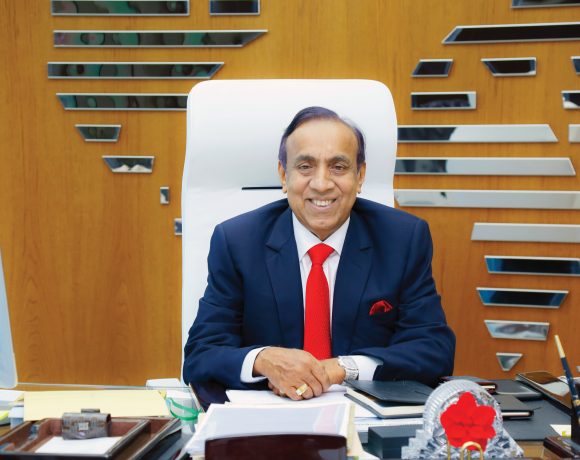
Entrepreneur,
Dr.
Ravi Pillai’s success story is one that inspires every young entrepreneur. From humble
beginnings, the son
of a farmer
from the southern Indian state of Kerala, Dr. Pillai is now Chairman and Managing Director of Middle
East based RP Group of Companies.
A global
conglomerate, RP Group
today is involved
in construction & infrastructure, healthcare and wellness, education, real estate, hospitality, Information Technology, travel &
tourism and retail & malls, with a combined turnover of more than $5 billion, a workforce of 120,000 plus and an operational
footprint that extends across nine countries. The group is famed for its rich resource pool of professional, dedicated
personnel and its ability to maintain the highest standards of excellence in all its activities.
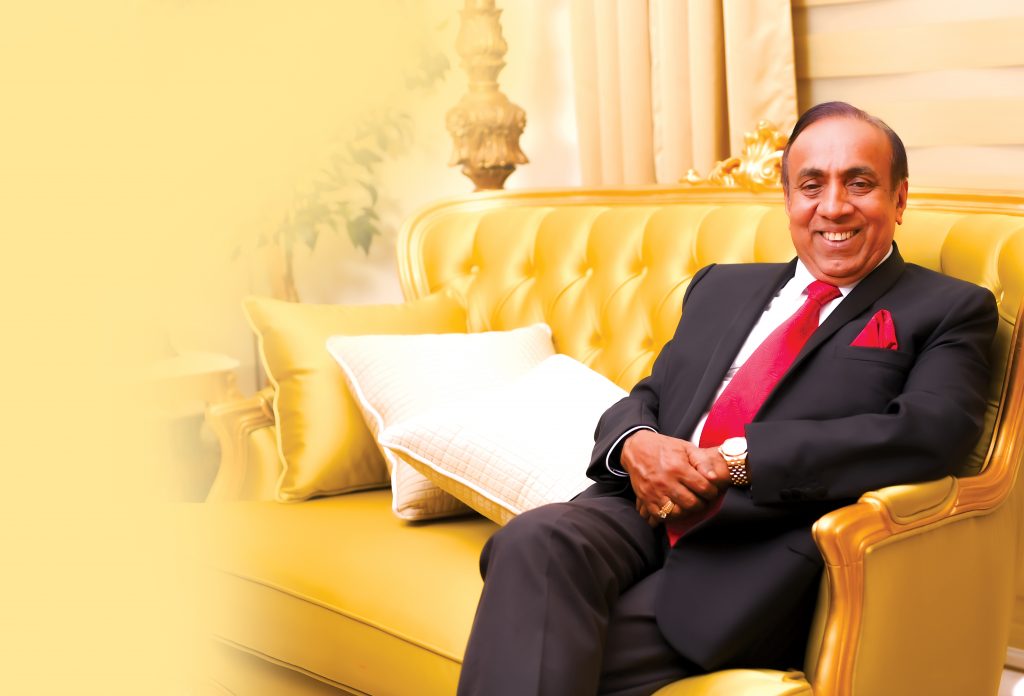
Dr. Ravi Pillai
As early as 17 years of age, Dr. Pillai began dabbling in trading in his home state of Kerala, and soon after college graduation, entered into the construction business. Despite no background of business and no one to hold hands, he became successful doing construction work for some of South India’s biggest companies. However, unforeseen challenges stifled his blossoming business, though he was not deterred. “You have to trust in yourself first,” said RP Group Chairman, Dr. Ravi Pillai. “If there is a will, there is a way. Without self-confidence, you can’t win.”
Armed with determination and faith, he moved to Saudi Arabia
in 1978. At that time oil price was around $9 – $10 per barrel, however there were multiple business
opportunities in Saudi Arabia. He started his
journey with 150 employees in Saudi Arabia. Though it was extremely difficult
for Indian companies to win important projects in those days, his undying
determination and hard work resulted in getting him infrastructure and
defense related construction contracts. One
of his early wins was a construction order for the
Royal Air Terminal at Riyadh Airport. During
the next five years,
as the
price of oil increased
upwards of $25
per barrel, the company moved into industrial contracting, including
oil
and gas and petrochemical projects critical for nation development, and grew
to 5,000 employees. Forty years later,
he is considered
one of the
largest
employers in the
Gulf. The group
employs over 120, 000 employees of various nationalities,
including various GCC nationalities, Americans, Europeans and people from the
Indian subcontinent.
“My
true satisfaction comes from the happiness of my 120,000 happy employees, and their families which they support, which equates to almost 750, 000 people.” says Dr. Pillai.
Dr Pillai’s focus is on group’s human capital, and he believes rest everything will
follow. “Money is not everything, most
important is to have a kind heart,” said Dr Pillai.
RP Group is known for uncompromised business
values of commitment, hard work & dedication, honesty and respect. “My policy is that money cannot
be made with someone’s tears, and must always be earned
the
right way.” Says Dr. Pillai.
The Oil & Gas industry
globally recognized Group’s companies for giving safe working environment to their
employees, by adhering to highest safety standards in the construction world,
best amenities, facilities and care as an employer. Dr. Pillai say, “Our dedicated workforce is my real wealth.
If you have
money, you can accumulate assets, but you can’t buy people’s trust
and commitment. I am fortunate to
have committed people and the company has grown because of them. Only if an employee is happy can he or she give their best for the company.”
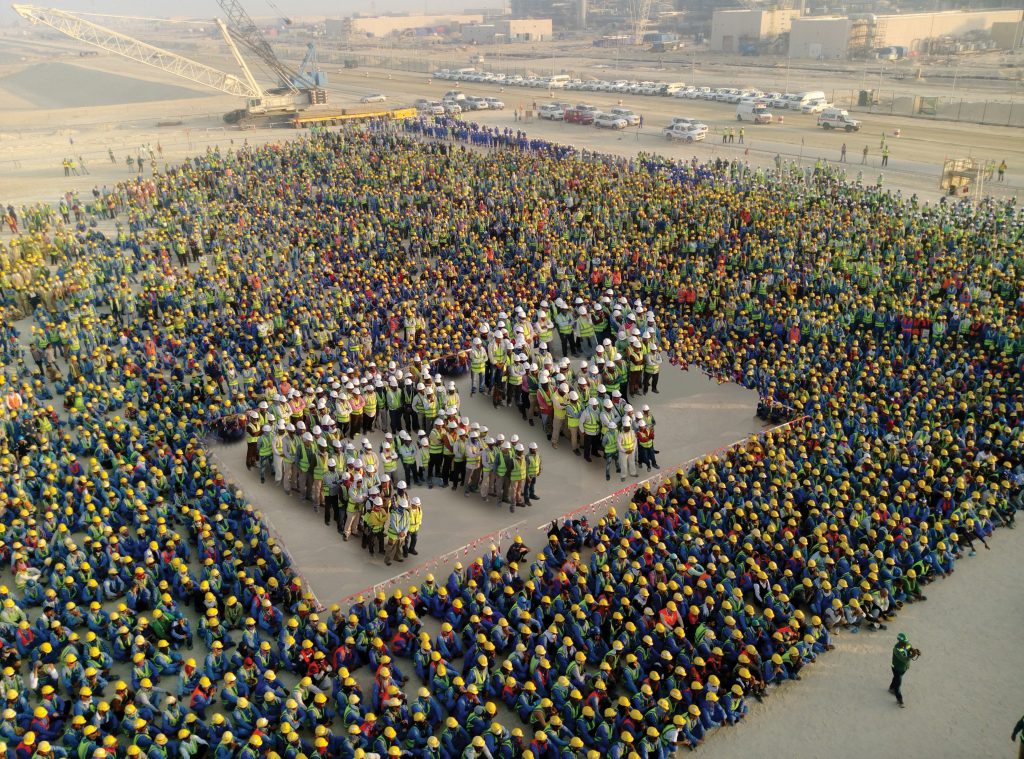
RP Group Employees
Many employees have worked with him for almost three decades. Dr Pillai is delighted that many of his employee’s children are doctors and engineers and a good number of them are working for the company. RP Group has grown phenomenally over the years. It has been one of the most trusted infrastructure development partners in the GCC for four decades and the group has delivered projects worth over $30 billion. These include working on some of the world’s best refineries and petrochemical plants all over the GCC.
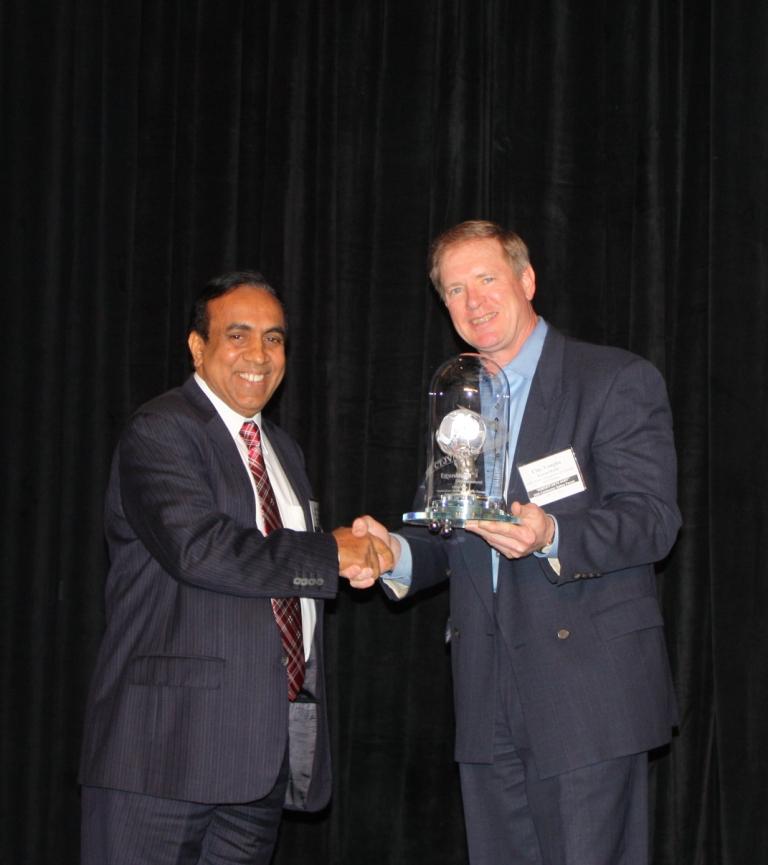
The group is very closely connected with the oil and gas giants in energy sector like Saudi Aramco, Kuwait Oil Company, Kuwait National Petroleum Company, ExxonMobil, Sabic & Its affiliates, Qatar Petroleum, Bapco, Maaden, Alba and several illustrious International Engineering Companies as well. Group companies have received numerous international awards including the recent ExxonMobil‘s global “Best Contractor” award and Samsung’s “Best Partner” award. Group companies are a trusted partner of choice for their clients. Dr. Pillai says, “The biggest and the most demanding companies in the world who deal with us, know that they are at peace with responsibility on our shoulders, and know that the work we undertake shall be carried out by very skilled manpower, in a professional manner and deliver high quality output on time, even for some of the most complex jobs in the world.”
Recently, one of
the group companies entered the Guinness World Records – for completing the
largest continuous concrete pour (of 19,793 cu m for 42 hours) in the world.
In 2011, the
group entered IT sector and since then has been growing steadily in India, Middle
East and USA. Over the last 20 years, RP Group operations expanded into real estate, hospitality, education, health care, trading, retail and
IT sectors across the GCC as well as India, Korea and Australia and the USA. “It is very important to
respect the laws and regulations of the countries we
work in,” said Dr Pillai. “Only
then
can we achieve
success globally.”
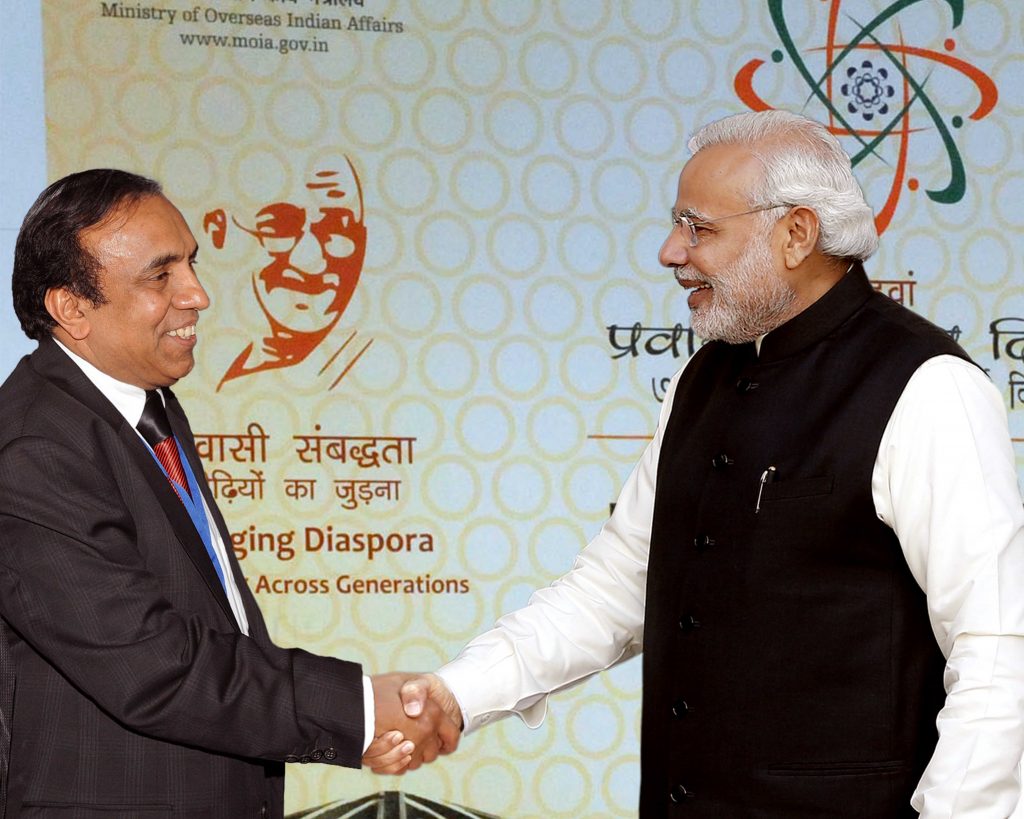
Dr. Ravi Pillai with Indian Prime Minister Narendra Modi
In the Indian tradition of ‘Atithi Devo Bhava’, where a guest has to be treated with the utmost respect, Dr Pillai established a chain of 5 star luxury hotels – the flagship property Raviz Kovalam, Ravi z Resort and Spa by the Lake Ashtamudi in his native Kollam, the Raviz Kadavu Resort on the banks of the River Chaliyar and a luxury city hotel, the Raviz Calicut. Dr. Pillai’s hospitality portfolio also includes 5-star luxury hotels in Pune and Dubai.
RP Group’s reach in Kerala also extends to the healthcare and wellness sector. It owns and manages the 300 bed multi-specialty Upasana Hospital at Kollam, a fully-equipped state-of-the-art facility,
manned by a team of medical and
para
medical professionals. The
hospital is also responsible for the nearby
Upasana School
and
College of Nursing which offers graduate and post graduate courses.
“We have a good name because of our
commitment, quality, honesty and credibility,”
said Dr Pillai.
RP Group over
the years has transformed
from a highly efficient
construction company into a diversified conglomerate.
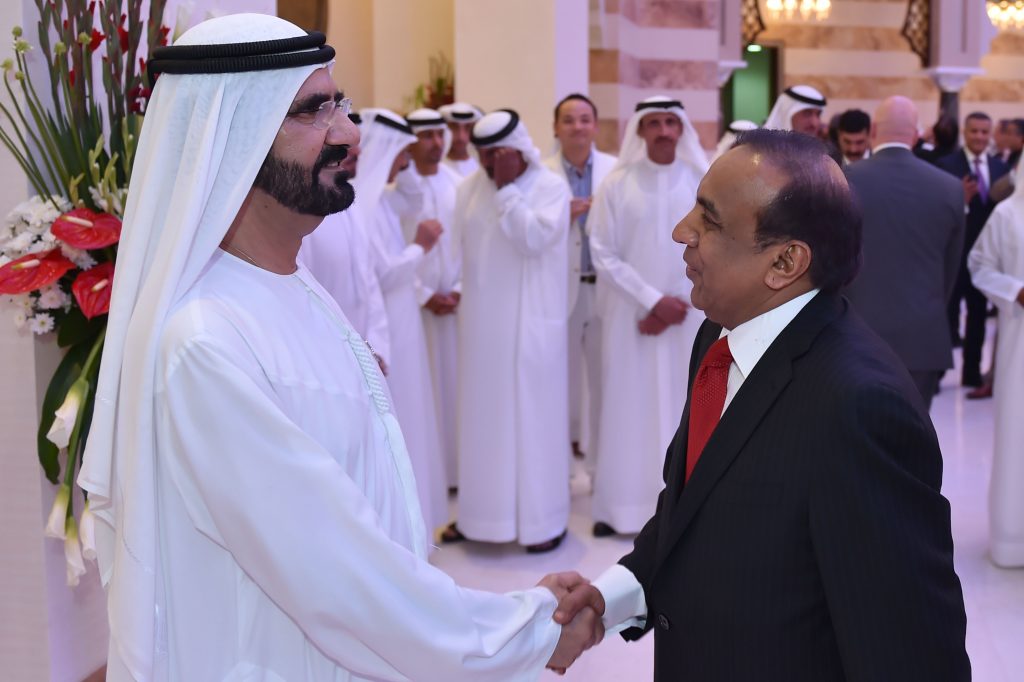
Dr. Ravi Pillai with H.E. Sheik Mohammed bin Rashid Al Maktoum
Besides business, Dr Pillai is also mindful of sharing his wealth with the less fortunate. The Dr. Ravi Pillai Foundation works towards the betterment of humanity, with the lion’s share of his earnings disbursed every year to the construction of homes, education, thousands of weddings, medical assistance and charity f or the underprivileged and needy.
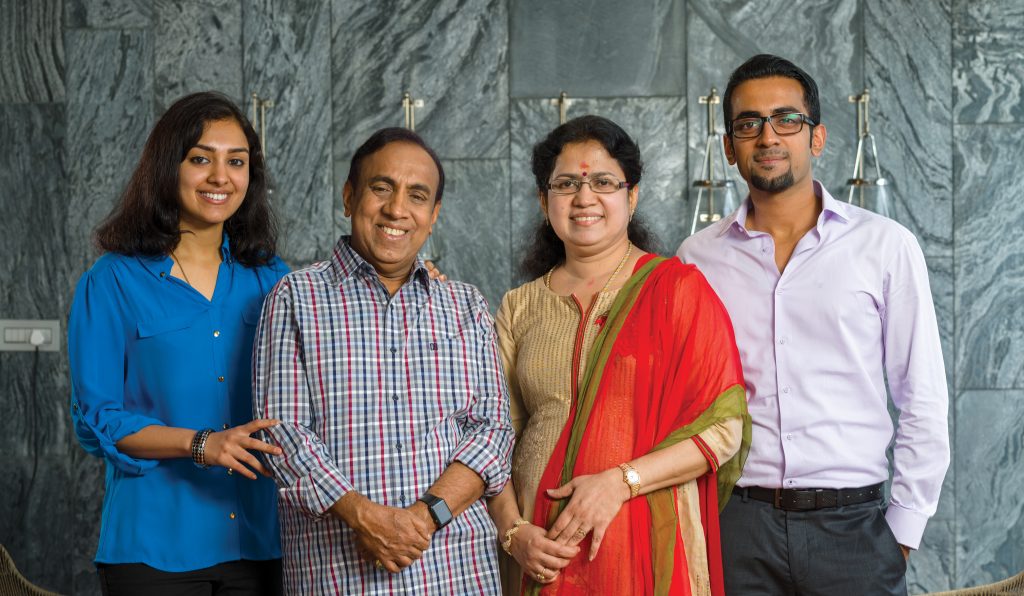
Dr. Pillai with his family
Dr Pillai and his wife Geetha have two children – Ganesh and Dr Arathi. Both Ganesh and Dr. Arathi are following their father’s footsteps by joining the business after completing their studies.
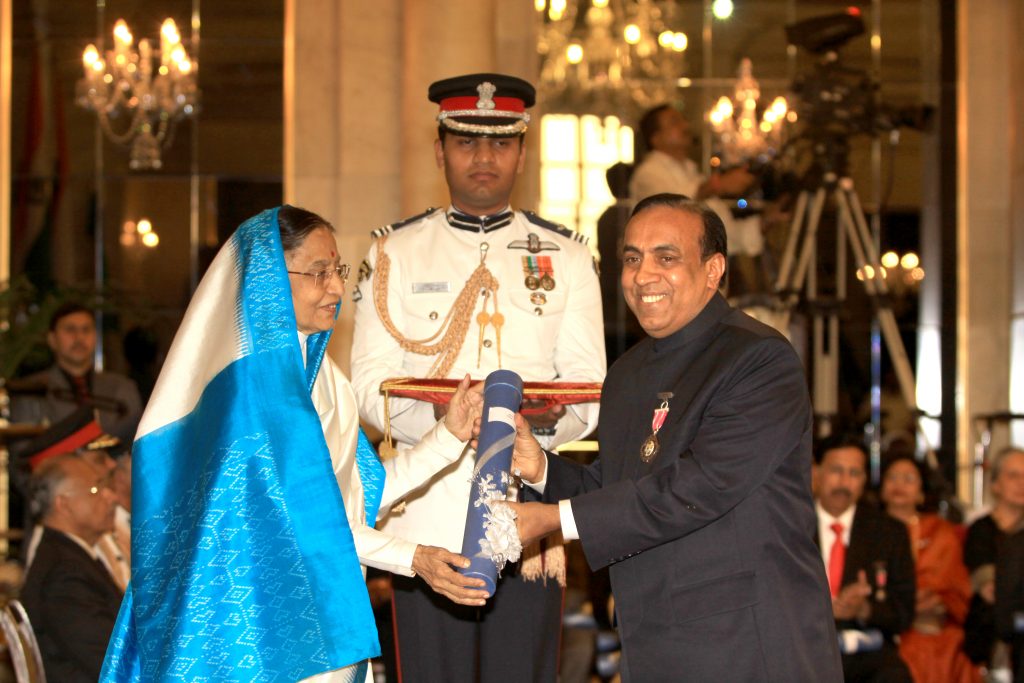
Dr. Ravi Pillai receives Padmashri Award
Throughout his career, Dr. Pillai has been honored with many awards from various governments and organizations. The government of India honored him with one of its most prestigious civilian awards, in 2010, the Padma Shri, for his outstanding contribution to the fields of business and charity.
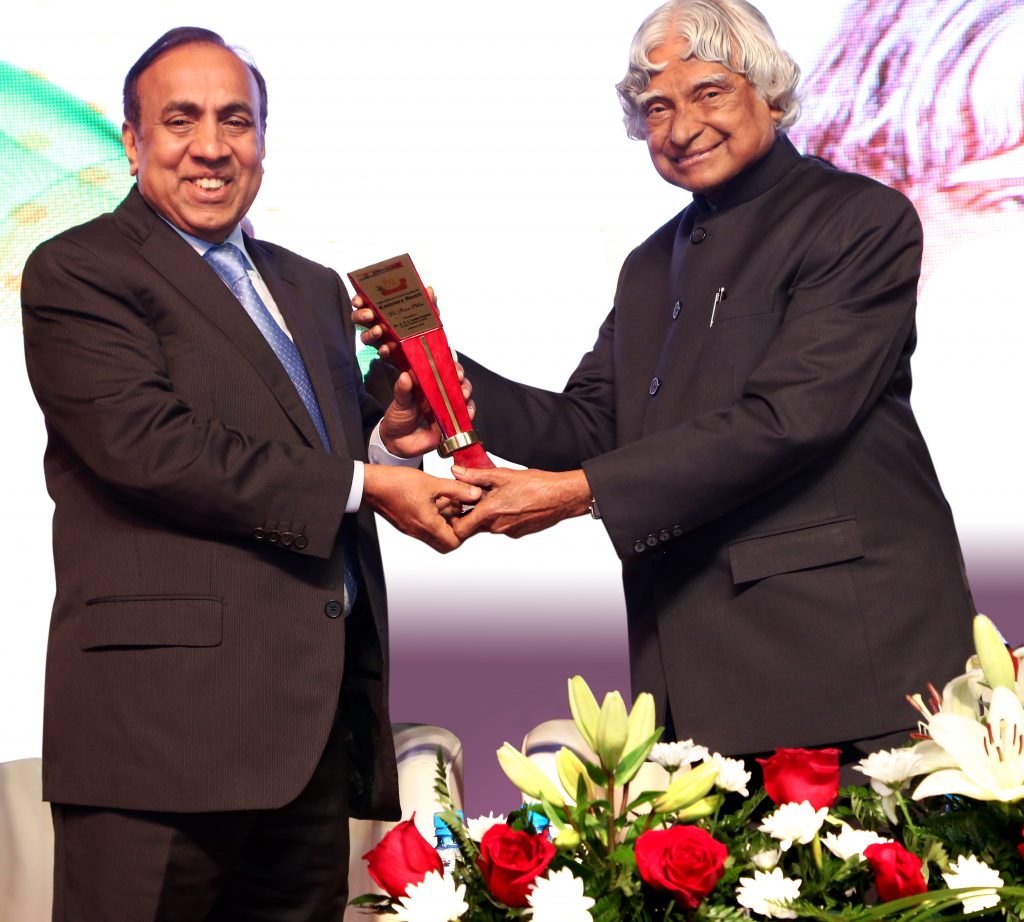
Dr. Pillai with the former President Dr. A P J Abdul Kalam
He was also recognized by the Indian government with the Pravasi Bhartiya Samman Award in 2008, and has received numerous other honors and awards from around the globe for both his business and philanthropic contributions.
However, the
best accolade for him is the happy faces of his employees. “Their happiness is my greatest reward,”
he added.
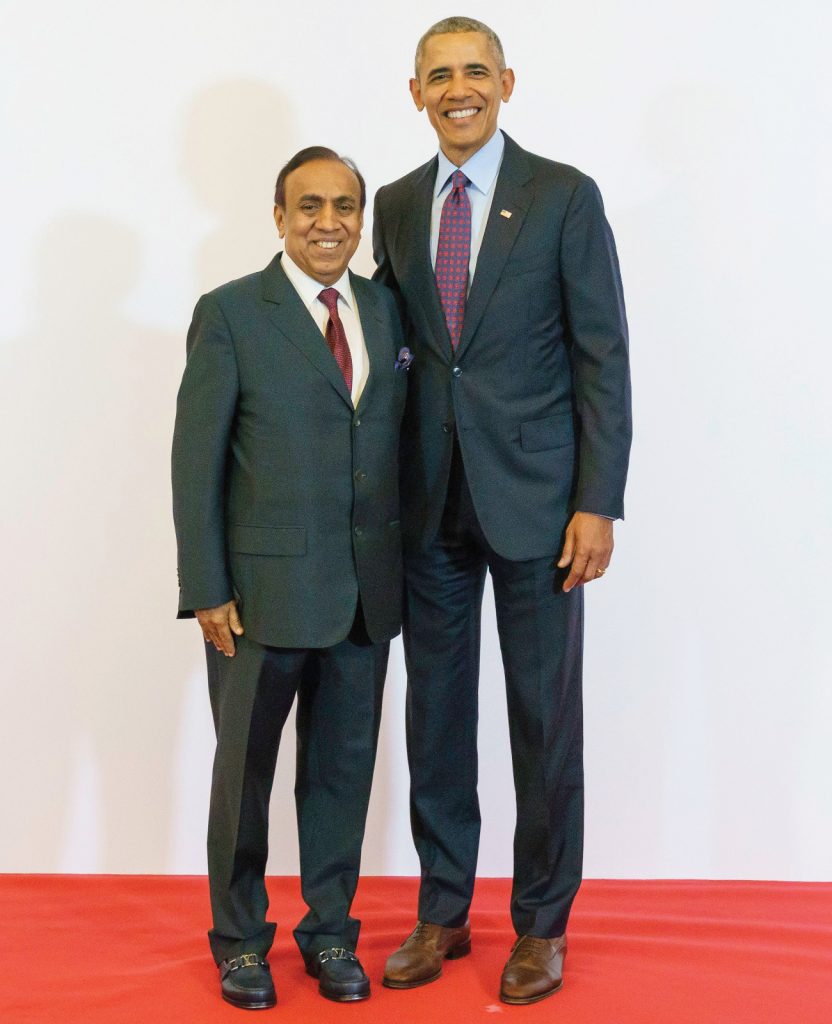
Dr. Pillai with the former US President Barack Obama
It is no secret that Dr. Pillai’s ‘Good Human Beings build lasting Business‘ motto is the true secret of his success.
The world is at present struggling under
the clutches of Covid-19. As a business leader, how do you see this crisis? How
the business community can be supported to surmount this crisis? And, what is
your expectation about the post-Covid-19 world?
There are few events in the world that leave their long-lasting mark in the
history books across the world.
As an
entrepreneur, Covid-19 to me is a Black Swan event wherein there is a
simultaneous but massive shock to the supply as well as demand side of the
businesses across various industries and regions. Apart from the health-related
challenges of this pandemic that is on top of everyone’s mind, the lockdown
which various countries were forced to impose has stifled the demand as well as
disrupted the supply chain for various businesses. It goes without saying, just
like countries will need years to recover the loss of GDP, businesses will also
take time to recover the lost traction.
We have seen a very successful co-operation between various members of our
society for coming together to fight the pandemic on healthcare front. Everyone
– the government, law & order machinery, businesses and general public have
all helped the healthcare professionals who are our frontline warriors fighting
against Covid-19.
Similar to the
menace of Covid-19, our next challenge collectively as a society is the
stagnant economic activities. On this front, I see business leaders and entrepreneurs
as our frontline warriors fighting to help us get back to the normal level of
GDP, employment and prosperity. I believe, just like the health front, various
members of the society need to bring their best foot forward to support the
frontline warriors on the economic front as well. These members are everyone
including governments, central banks and financial institutions, employees, customers,
landlords, vendors and the general public. They all need to be together with
the businesses during these difficult times and extend any and every cooperation
they can to various businesses. While a lot is being done in this front as well,
we need to look at best global practices and adopt these relief measures to the
extent feasible here.
Just to give a
few examples, globally various governments are giving tax breaks, economic
assistance to maintain the staff strength (not reduce the workforce), special
bailout package for the most affected industries, direct benefits transfer to
the unemployed and jobless to prevent individual insolvency as well as maintain
a basic level of purchasing power in the hands of lower income segment of the
society to meet their essentials. Central banks have helped by infusing
liquidity, buying the corporate loans and bonds, reducing interest rates as
well as relaxing the norms on payment timelines of various bank loans for
eligible businesses as well as individuals.
Due to the Covid-19 crisis, several
Non-Residential Keralities have been forced to return to the state. As a
director of NORKA Roots, what is your say on this issue? Can NORKA emerge as a
saviour to address the concerns of those who have been forced to choose their
lives over their dreams?
Yes, we are passing through one of the worst
times. Kerala with one of the largest diaspora outside India has manifold
problems. NORKA has been very proactive. We could set up NORKA help desk in
several countries to guide Pravasis in the early days of Covid pandemic itself.
Kerala has given the maximum number of approvals for flights to bring back
people from Asia and the Middle East. Almost one third of flights operated
under Vande Bharat Mission was to Kerala. Also, as many as 800 chartered
flights were given permission by Kerala Government. This is the highest ever by
any state in India. Hon. Chief Minister convened two video conferences with
Pravasis and based on their feedback, Hon’ble Chief Minister has announced
several relief measures including financial assistance to Pravasis who have
lost jobs. NORKA department also has plans to create a skill pool of returnees,
for them to gain employment later in Kerala.
India at present maintains a good
relation with the Middle East. The Indo-Middle East business community, in
which you are an important member, plays a huge role in the growth of this
relation. How these two economic giants can support each other to sail through
the present crisis safely?
A strong bond of
mutual trust, respect and brotherhood has been the foundation of the strong
economic, social and political ties between India and the Middle East for
decades. This bond has only grown stronger in recent years. Both India and
Middle Eastern Countries have demonstrated that “ a friend in need is a friend
indeed”.
India has exported
medicines like hydroxychloroquine and sent teams of medical professionals to countries
like Kuwait, UAE, etc. to help them combat Covid-19. Given the sudden lockdown,
many Indian citizens – not just those who work here but even visitors and
tourists were stranded in Middle-East countries. All these countries have taken
care of these stranded Indian citizens and treated the patients of Covid-19
amongst visitors and tourists as well, as if they were their own citizens.
Just like on the healthcare front, on the economic front as well I see many
avenues of strong co-operation and mutual support. Middle-eastern sovereign
wealth funds are always looking for good investment opportunities. India, given
her demographics and fundamentals, is an attractive investment choice. The
investment by these countries can infuse capital and help create businesses and
jobs in India. We have seen record amount of investment in a single company
announced from Saudi Arabia and UAE in the middle of this crisis (e.g., Saudi
Wealth Fund investing USD 1.5 Billion and UAE’s Mubadala and ADIA investing close
to Rs. 14,700 crores in Reliance Jio platform). Similar such investments can be
mutually beneficial to India as well as Middle-East.
How much disturbing the lockdown was for
you? What are the structural changes you have brought in to the administrative
structure of your company to transform the system in the way the time demands?
This has indeed been an ineffable and
overwhelming time. One that I have not experienced in the past 42 years of my
business career. The customary business culture which demands a lot of travel
and interaction with people, this global culture has definitely taken a pitch
pole.
During the Gulf war in the 1990s, was
the last time I had faced a gruelling situation. It was a time that demanded my
employees to reach their homes safely. I had made arrangements for Chartered
flights for their safe travel, which I must say wasn’t a very tough task at the
time, in comparison to our current state of uncertainty.
The present situation makes countries cautious
in bringing their citizens home whilst handling the pandemic domestically; as
such is the dilemma faced by various governments. Covid -19 pandemic has caused
panic and apprehension all over the world.
Health and safety protocols with
respect to Covid -19 deterrence has become the highest priority. The same goes
for my employees, many of them who do require reach their homes safely, has become
my prime responsibility.
We have arranged chartered flights to
various states of our country, for which we had ample support and coordination from
the MEA (Ministry Of External Affairs). I highly appreciate all the support we
received from the MEA (Ministry Of External Affairs), all State Governments,
Embassies in the GCC in making this mission possible! We also ensured that our
employees of other nationalities, travel home safely to countries like Philippines,
Nepal and Bangladesh.
Secondly, as businesses need to
continue in spite of the present state of affairs, we need to encourage our
employees with good Healthcare and safety measures. This has prompted us to
reorganize work conditions and ensure a more sterile environment. Our sites
have been equipped with qualified Healthcare officials to tackle medical
problems faced by our employees on a daily basis. Beds have been arranged in
hospitals to ensure timely medical attention in case of any emergencies.
As of now, the relevant Health authorities
have cautioned those above 60 years and the provision for traveling has become
speculative to a large extent. Hence videoconferencing has become a routine of
business and has become a boon. It has become one of my preferred means for communication
and has helped me keep in touch with my team across various offices globally.
The same goes for meetings scheduled with our various global clients. Time
flies these days with the problems we face on a day to day basis.
Companies normally shift burden over
employees when they face difficulties. But, your company was different. We have
learned that your company has extended enormous support to your employees
during this difficult time. Please share us about those initiatives.
This is the
time for supporting one another and at the same time extending best
understanding towards each other. I consider my employees as family. The
biggest strength of my group has been my employees and I share a very personal
bond with them. Most of them have worked with us for 30-40 years and have
dedicated most of their time with us than with their families. I feel duty
bound to take all possible care for them.
One of my
biggest focuses has been the health & safety and well-being of my
employees. By means of working with some of the biggest companies in the realm
of Oil and Gas; my companies have had to adhere to the highest levels of health
& safety standards and have been bestowed with numerous global awards for
the same. Maintaining the same in a pandemic scenario like this is a very
different kind of a challenge, we are doing everything possible to take care of
our employees and their well-being.
Me, my
family and my team are fully committed to do whatever we can, towards having
the minimum impact of the current situation on our employees and their
families, and give them maximum possible care towards their lives.
The tourism sector of the state is one
of those sectors which have faced the heat of this crisis the most. Your group
holds ownership in highly reputed hotels such as Raviz Kovalam, Raviz Astamudi
and Raviz Kadavu and Raviz Calicut – which remain as the backbone of the
state’s tourism sector. Can the sector regain the impetus it has lost to the
present crisis?
Unfortunately,
tourism and international travel are the worst-hit sectors world over due to
the pandemic. Between these 2 sectors, tourism will definitely take longer
compared to other sectors to recover back to the level of activities that were
seen in 2019. However, I do see some silver lining in these dark clouds:
* I think tourism
will return in other countries including India. The young will venture out
first. Travel will involve nearby destinations. Economy travel will recover
more quickly. People would want to seek some sort of healing to the lockdown
(or as it is called “revenge travel”) by travelling outdoor and hence, nature-related
destinations will be more popular than congested cities. Here, Kerala, God’s own
country, is the most obvious choice.
* As per RBI
estimates, Indians spent roughly $ 1.6 Billion on international travel during
summer holidays last year. Till the time a vaccine is developed, widely
available and administered to public at large and is considered effective,
International Travel (esp. non-essential like tourism) will remain handicapped
as many countries are continuing stringent 14-day quarantine period for international
travellers which is not practical for most tourists. Thus, all the tourists,
Indians and foreigners alike, will be inclined to travel to explore domestic
tourist destinations rather than international ones. Thus, unfortunately on one
hand, India (& Kerala) may miss out on foreign visitors but Indian
travellers are more than capable of compensating for this loss of business as
they re-align their travel aspirations with the new normal.
* Ability to
maintain social distancing and avoiding crowded cities as well as availability
of good healthcare facilities will be the top factors that will influence the
choice of tourist destination. Here again, despite my best efforts, I can’t
think of any other tourist destination that can even match Kerala on both these
factors.
* With the present-day
advancements in Research and Healthcare, the probability of a vaccine being
discovered is unquestionable and is indeed possible at a faster pace. A
recovery phase would demand a lot of healing which includes travel and leisure activities.
* With the
Kerala Government doing a mighty task in controlling the spreading of Covid -19,
Kerala has yet again proved worthy for safe tourism in the future.
Nestled in the secluded backwaters of the Arabian Sea near Trivandrum in Kerala
is the five-star deluxe, Raviz Resort
& Ayurveda Centre Kollam, a perfect blend of modern architecture and
traditional designs of a bygone era. Clearly taking advantage of its scenic
backwaters.
Designed to
reflect the architectural splendour of the mystical Malabar region, the Hotel Raviz
Resort & Ayurveda Centre Kadavu, a five-star resort on the banks of the Chalayar river in Calicut.
The Raviz Kovalam Beach,
Kerala, is a prized possession of the Group in picturesque Kovalam, a popular
beachside destination in Kerala. The well placed 5 star Clifftop Beach property
is spread over 65 acres of land Kovalam has also been well known for its most
coveted Kovalam Palace.
During the post
pandemic times , We at Raviz group intend to offer a safe yet enjoyable, world
class tourism experience which will help further crown jewel of Kerala tourism.
RP Group of Companies is now one of the most promising business groups
in this part of the world. We all know there is a struggle behind this group.
Our readers may be interested to hear about that struggle. Please share.
I was born to a farming family with
plenty of paddy fields and coconut plantations. I grew up understanding the
limited scope of the agricultural sector at the time.
As I have walked in a farmer’s shoes, I
could learn of the challenges first hand and noticed the hardships of a farmer
did not reward proportionate returns. Modern agricultural technology and practices
at the time were not well known or available.
At the age of 17, I started my own
business, which was of course on a small scale. As I did not have a business
background I had no guidance, and I was my own teacher. There were no right and
wrong decisions. Only choices that I bore complete responsibility of and of
course destiny as well as God’s blessings.
The beginning of my business career
was in Kerala, my initial ventures being contracts for FACT and Cochin refineries.
Unfortunately, due to labour strike, these businesses did not serve me well. It
was in 1978, that I had decided to explore my opportunities in the Gulf. With
150 employees, I had initiated my first construction business in Saudi Arabia. Strong
determination, hard work and commitment were the only 3 mantras I held close to
my heart. Presently, I have more than 1,20 000 employees working for me
globally.
Now we are one of the biggest
Industrial Construction Companies for Oil and Gas. We have been fortunate to
have some of the World’s famous oil companies as our clients. My career has
indeed been rewarding and I am eternally thankful to God for this rich
experience.
My only advise is, anyone who has good
knowledge in business can start a business in today’s Era as long as you work
hard, bear good will and strong commitment.
I strongly believe that Nothing is impossible as long as you have a
strong will.
What is your message to the global business community?
My biggest message
to the business community is firstly to stay on course and manage this storm
with positivity. Let the compromising situation of the world not make business
community compromise on their values and ethical system. After the discovery of
a vaccine, we will return to a world of perhaps, more and more opportunities.
In my strong opinion “This Year, to stay alive
is equivalent to profit! “
Secondly, Covid-19
will bring big changes in the business community and the way business is being conducted.
Being fungible and adaptive to the changes will be required more than ever.
What do you want to say to youngsters
who see a true role model in you?
Change is
the only static thing that occurs with time. The same goes for the pulse in
world business.
However,
the mantra to success stays the same. Be honest with any business that you wish
to pursue. With goodwill comes good opportunities. Be optimistic. With every
downfall comes greater opportunities. You still need strong will, hard work,
honestly, commitment and strong values to be successful in the long run. Rather, if anything, the current pandemic has
only reinforced the need for these values.
You are the recipient of several
prestigious awards including the highest civilian honour of Padma Shri. How do
you see these achievements?
Each award
has only reinstated and instilled my responsibilities to the community and
global
society. These
honors constantly drive me to stay on my course.
What are the latest CSR initiatives of
your company?
Philanthropy is
the ideology that drives Dr. Ravi Pillai Foundation which undertakes all the
CSR activities of the Group. The Foundation works towards the betterment of the
society by providing the underprivileged and the needy with necessary moral and
financial support. This is an earnest mission set in motion to help the
humanity by Dr. Ravi Pillai, the Chairman and Managing Director of RP Group.
The main
activities of the RP Foundation are: Provide assistance and help in the
re‐habilitation of the destitute who are suffering from incurable/perennial
diseases and who are physically/mentally crippled. Provide assistance to the
victims of natural calamities. Provide poverty eradication schemes for the down
trodden people. Establish hospitals, clinics, and sanatoriums, to help the
poor. Provide assistance to establishments intended for the welfare of the
poor. Start educational institutions that provides technical and job‐oriented
education with intention for social development. Provide financial assistance
for the marriage of young ladies who fall below the poverty line.
I have been able to provide jobs to many who have aspired to work in the
Gulf. The current
scenario demands all efforts to be focused on CSR activities related to
Covid-19. As mentioned above, we are doing everything possible to give back to
the community especially with the Covid-19 crisis
and have been able to help many families personally with respect to travel, financial
aid and healthcare.
During this unprecedented and challenging times of Covid-19, the most
pressing need of the pravasis is to safely travel home. While arranging
chartered flights for the safe return of all my employees who wanted to travel
home, I have been fortunate enough to offer travel assistance to hundreds of
workers and families in the gulf countries to travel back to their home
countries. I deem it my responsibility to lend a helping hand to my brethren at
this time of need and shall continue to offer my assistance to those who are
need.
Continuing our mission to support the needy in society, I am still strongly interested in providing more housing facilities to those in need. This I bear in heart and mind as my duty as well as social commitment.V
Photo Courtesy: Google/ images are subject to copyright
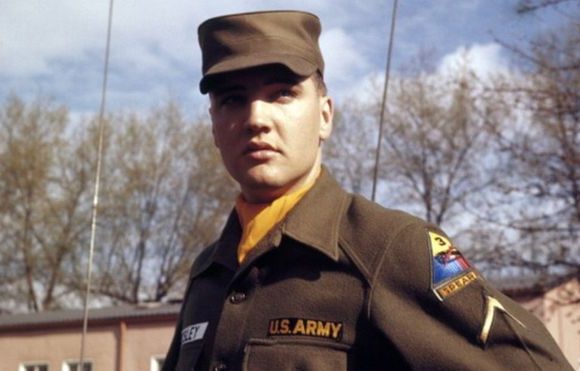
The decision to withdraw US troops from Germany has badly
affected the relation between Germany and the United States.
The controversial decision may weaken the North Atlantic
Treaty Organisation – which serves as a security solution to several European countries.
As per the treaty reached post the World War Two, Germany is
not free to increase the strength of its military capacity.
The new development means that Germany may have to forget the
agreement to make sure no threat is faced to its sovereignty.
Military is the base of the relation between the United States
and Germany, apart from trade.
The development offers a reason for the European country to
expand its military capacity.
Increased military capacity is a known agenda of the
German politics. Unlike before, now France, the nearest neighbor of Germany, is
in favour of that idea.
What it opens actually is the possibility of the emergence of the concept of European Army – which several European countries see as a solution for the possible withdrawal of US troops from the European soil.
Photo Courtesy: Google/ images are subject to copyright
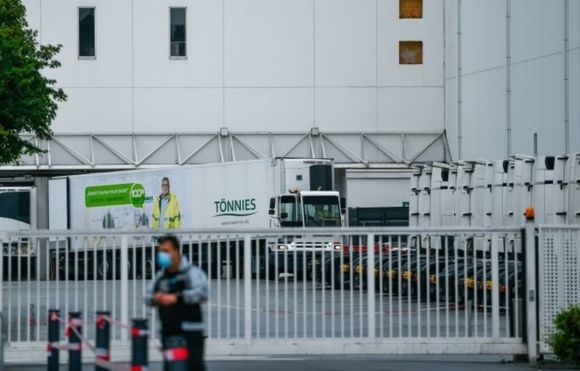
A coronavirus outbreak at a meat processing unit in
Germany has forced many to go into the state of quarantine.
The government has asked thousands of people of remain in
their homes. They will have to remain in their homes until they get permission
to return to their normal life.
Almost all of them will have to undergo a test to check
whether they have contacted the disease or not.
So far, as many as 650 people at the unit in the Germany’s
north-west state of Gutersloh has been tested positive for the coronavirus. Till
now, around 1,000 workers have been tested.
It is the worst outbreak that has been reported from the
country in its recent history.
Meanwhile, those responsible to run the unit have apologized
for the outbreak.
The fresh outbreak has put in the country in deep trouble. It is hoped that the country will recover from the crisis soon.
Photo Courtesy: Google/ images are subject to copyright
The European country of France has come to normal almost completely
after several months long lockdown.
The decision to bring in more relaxations has been announced
by French President Emmanuel Macron.
The removal of the restrictions means there will be no or
only few restrictions in the area of hospitality and tourism businesses. And,
there will be no or only few restrictions on family get-togethers.
The big announcement has been made while he was addressing the
nation through television. This is the fourth time since the imposition of
lockdown the president has address the nation through television.
Schools in France are expected to reopen on 22nd
June. Meanwhile, high schools may not resume their activities on the said date.
Many have expressed happiness in the decision to allow the
country to breath freedom after these many days.
It is expected that the decision will give a serious impetus to the business sector of the country – which remains in the state of disarray at this moment. V
Photo Courtesy: Google/ images are subject to copyright
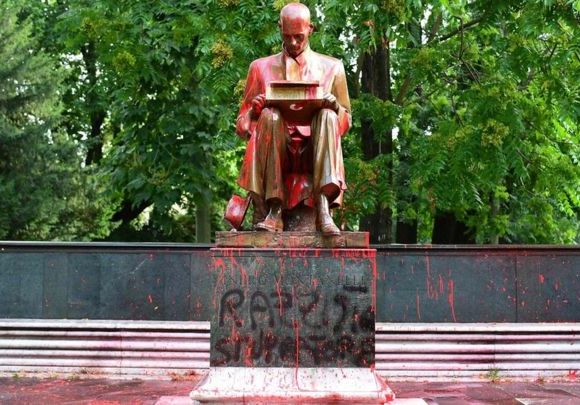
The statue of a famous Italian journalist, Indro Montanelli,
who was a supporter of colonialism, has been daubed with red paint.
Anti-racism protesters have claimed the responsibility of
the act. They have demanded the removal of the statue from the square.
They have posted a video in a social media platform in
connection with the incident – which has triggered several serious discussions
and deliberations across the world.
Though he was a pro-colonialist and pro-fascist, his contribution
to the fight for the freedom of speech and expression is huge.
The Italian government has criticised the action and said
that his contribution to the field of journalism cannot be ignored. They have
even turned down the demand that the statue should be removed from the square.
The Black Lives Matter movement – which originated in the
United States in protest against the custodial death of a unarmed black man –
has rapidly spread across the world.
What has been reported from Italy is the first serious case
of demolition in connection with the movement – which resulted to the
demolition of several statues (especially those represent those who supported
colonialism) in the US and across the world.
Anyway, many journalists have condemned the action. It remains unclear whether the action may affect the global movement against racial injustice.
V
Photo Courtesy: Google/ images are subject to copyright
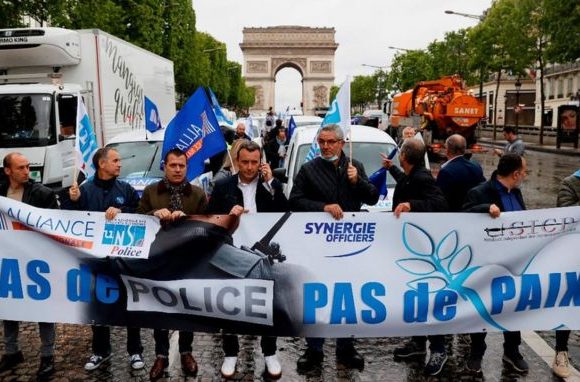
Police officials, who are unhappy with a recent ban on chokehold in France, have thrown handcuffs on streets in protest against the French government’s decision to ban chokehold.
A few days before, the French government imposed a ban on chokehold in response to protests organised across France in solidarity with the Black Lives Matter movement originated in the US.
The French police have dismissed the argument that the force has done little to eliminate discrimination.
The French government has convened a series of discussions and deliberations with the Police Unions.
Many see the protest launched by the French police as a pressure tactics. They have questioned the police force.
Experts say what the French police has done is not justifiable.
Demand for the restricting of the French police is high. The latest move by the force is seen as an attempt to derail that move.
It is unfortunate that police unions act as a lobby in a country like France which is known for its respect towards democracy.
Photo Courtesy: Google/ images are subject to copyright
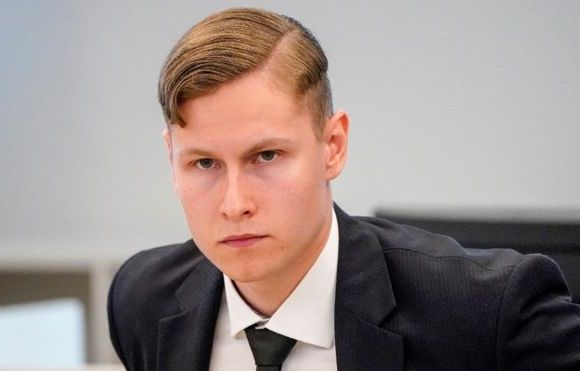
A Norwegian youngster, who killed his step-sister and opened
fire at a mosque, has been sentenced to as many as 21 year imprisonment.
The punishment has come with a minimum term of as many as 14
years – recently, the country has hiked the minimum term for hate crimes.
It is said that the attacker was inspired by similar attacks
happened in New Zealand in the recent past.
The attack is one of the gravest crimes the country has seen
in its recent history.
The far-right movement is not less active this part of the
world.
In the year 2011, similarly, a right-wing extremist carried
out a horrific attack in the country. Unlike this time, his minimum sentence
was at least four year shorter than what has been awarded to the latest case of
far-right extremism.
It is high
time for the European countries to look into this matter seriously. Norway is
not the only European country struggling with the issue of far-right extremism.
Many
European countries like Germany, Poland and Hungary are vulnerable to this
issue.
Germany has
recently reported several similar cases. In some states, even the rebirth of
Neo-Nazism has been reported.
The development exposes a serious threat which needs urgent intervention.
V
Photo Courtesy: Google/ images are subject to copyright
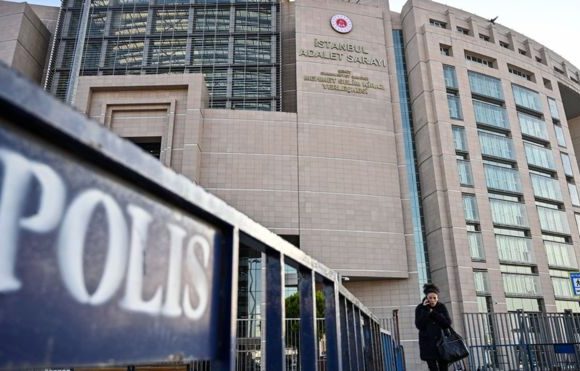
Turkey has
punished a US consulate employee, Metin Topuz, as they have found that the
employee, who is a Turkish national, has links with a terror organisation work
against the interest of the Turkish government.
The person
was originally arrested in the year 2017. Since then, he is under the custody
of the Turkish government.
Turkey
believes the said group is behind the failed group.
Meanwhile,
the US government has come strongly in support of their employee. They claim
that there is no credible evidence to prove that their employee has links with
the terrorist organisation.
The development
may affect the relation between Turkey and the United States of America – which
is already not in a good relation with the European country.
Mr. Topuz
was an employee of the US Drug Enforcement Administration (DEA) in Istanbul. He
has decades of experience as a translator.
The
punishment order means the US employee will have to spend at least nine years
in a prison in Turkey.
At this
moment, it remains unclear whether there is any provision to appeal against the
verdict delivered by the court in Turkey.
It is unfortunate that this kind of action has been initiated against the US employee.V
Photo Courtesy: Google/ images are subject to copyright