UK and European Allies Blame Russia for Navalny’s Death, Cite Rare Dart Frog Toxin
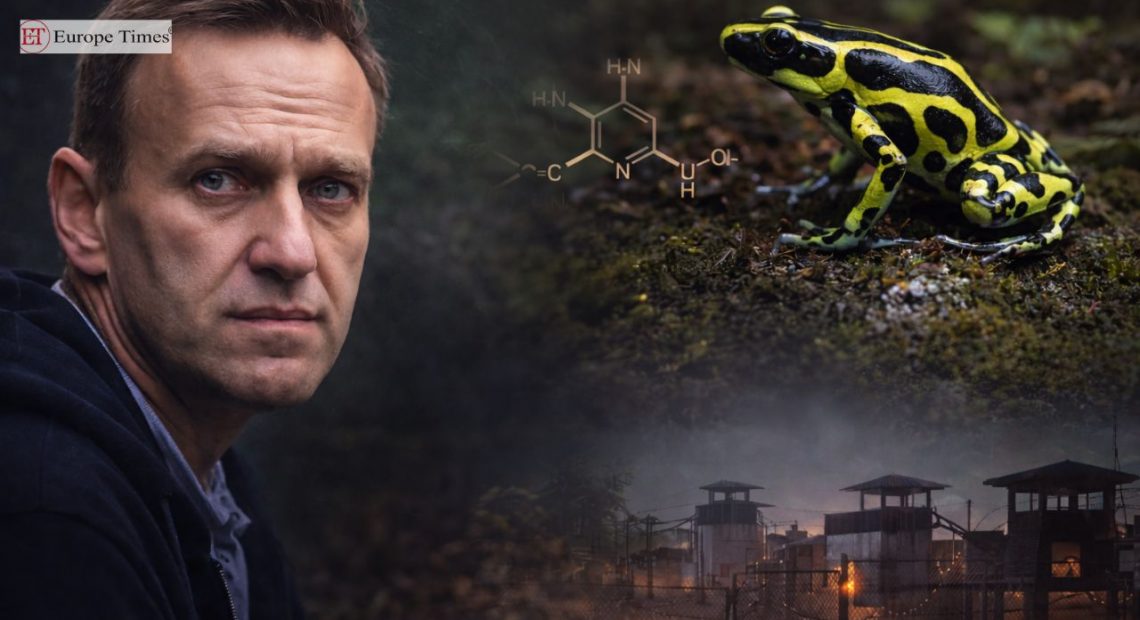
The UK and several European allies have accused Russia of killing opposition leader Alexei Navalny using epibatidine, a rare toxin derived from South American dart frogs. Speaking at the Munich Security Conference, UK Foreign Secretary Yvette Cooper said analysis of material samples found on Navalny’s body showed the presence of the toxin, arguing that only the Russian state had the means, motive and opportunity to deploy it during his imprisonment in a Siberian penal colony. A joint statement by the UK, France, Germany, Sweden and the Netherlands held Moscow responsible.
Epibatidine is an extremely potent neurotoxin, estimated to be far stronger than morphine, and can cause paralysis, seizures, respiratory failure and death. It is naturally found in certain wild dart frogs in South America and is not known to occur in Russia. The UK has informed the Organisation for the Prohibition of Chemical Weapons of what it describes as a breach of the Chemical Weapons Convention. Russia, through state media and officials, has dismissed the claims as part of an “information campaign”.
Navalny, a prominent anti-corruption campaigner and critic of President Vladimir Putin, died on 16 February 2024 at the age of 47 while serving a prison sentence. He had previously survived a Novichok poisoning in 2020 before returning to Russia, where he was arrested. His widow, Yulia Navalnaya, welcomed the latest findings, saying they confirmed her long-held belief that her husband had been poisoned and murdered.
Pic courtesy: google/ images are subject to copyright