Eurovision Faces Major Rift as Israel Cleared to Compete, Prompting Multiple Withdrawals
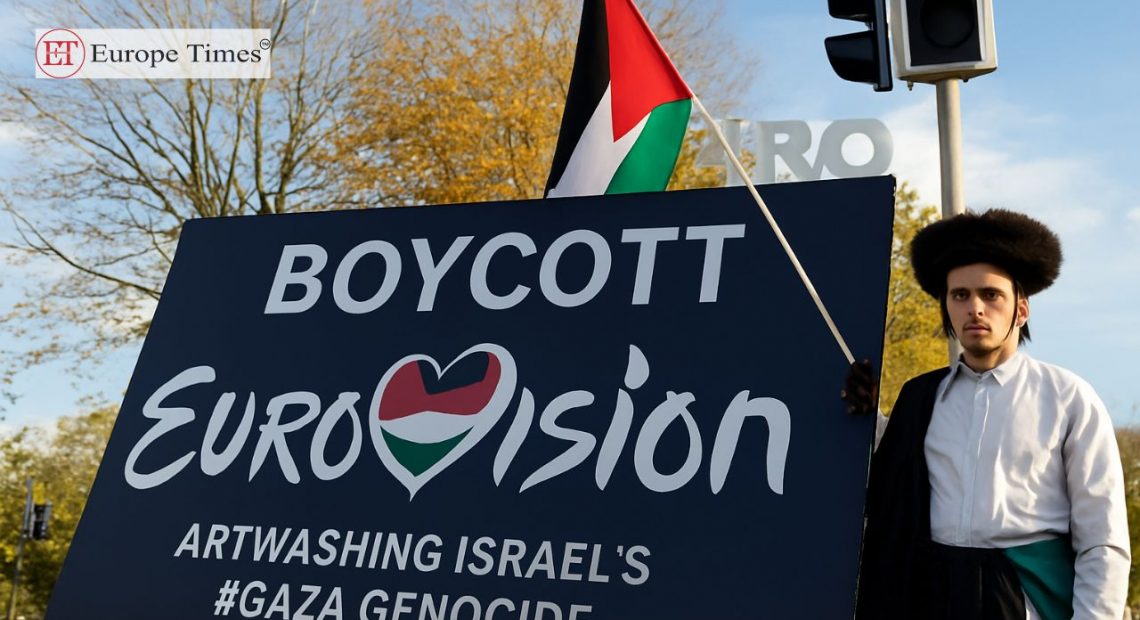
The European Broadcasting Union (EBU) decided not to hold a vote on Israel’s participation in the 2026 Eurovision Song Contest, confirming the country’s entry and triggering an immediate backlash. Broadcasters from Spain, the Netherlands, Ireland and Slovenia announced their withdrawal from the contest, citing the mounting death toll in Gaza and accusing Israel of violating Eurovision’s neutrality rules. Israel dismissed these objections as part of a global campaign against it.
The EBU instead approved new rules intended to curb government influence and prevent undue promotion of performers, after concerns that Israel boosted its 2025 entrant. While Israeli officials celebrated the decision as a stand against cultural boycotts, critics—including Ireland’s RTE and Spain’s RTVE—said the move exposed Eurovision as deeply shaped by geopolitical interests. Additional countries like Iceland are now weighing their participation, underscoring the widening divide.
Amid the fallout, Germany welcomed Israel’s inclusion, saying it aligned with Eurovision’s founding values of unity after World War II. Contest director Martin Green acknowledged the turbulence but said the event remains committed to neutrality and international cooperation. With the contest set for Vienna in May, Eurovision faces one of the most significant crises in its history.
Pic courtesy: google/ images are subject to copyright