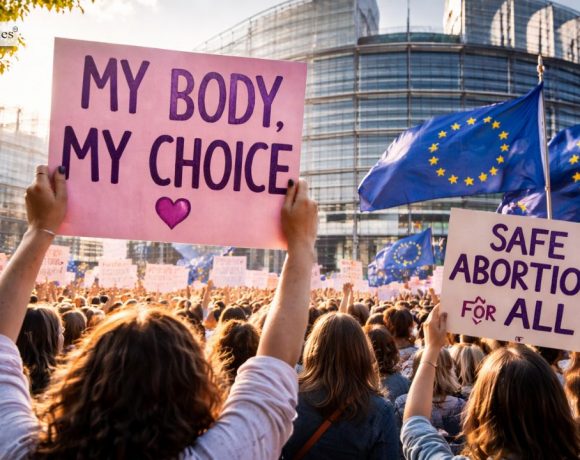
The European Commission has clarified that member states may use the European Social Fund to provide free abortion services to women traveling from EU countries with restrictive laws. The announcement followed the “My Voice, My Choice” citizens’ initiative, which gathered over one million signatures urging the bloc to ensure equal access to safe and legal abortion care. While the Commission stopped short of proposing a new funding tool, it confirmed that existing resources could be reallocated to support women, particularly those in vulnerable situations, seeking procedures abroad.
The move comes as countries such as Poland and Malta maintain near-total abortion bans, and access remains limited in nations including Italy and Croatia. Supporters argue that women across the 27-member bloc should have equal healthcare rights regardless of national restrictions. Campaign coordinator Nika Kovac welcomed the clarification, calling it the first clear confirmation that EU funds can be used to guarantee safe abortion access across borders.
However, critics — including conservative lawmakers and far-right groups — say the decision interferes with national sovereignty over health policy and undermines traditional values. Opponents argue that using EU social funds for abortion-related services effectively bypasses domestic laws. The clarification reflects broader tensions within Europe, where abortion access has expanded in countries such as France and the UK, even as far-right parties opposing abortion gain political ground.
Pic courtesy: google/ images are subject to copyright