featured News Trending

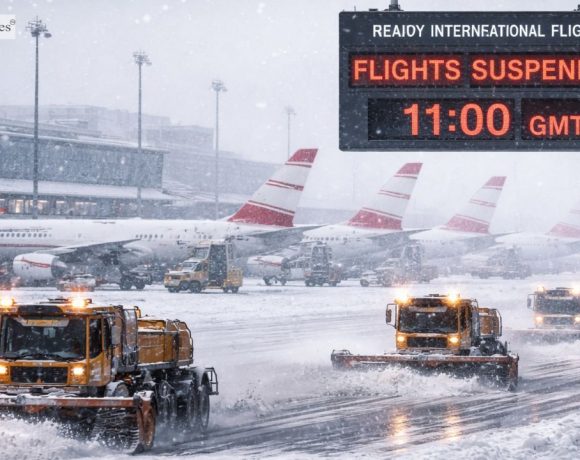
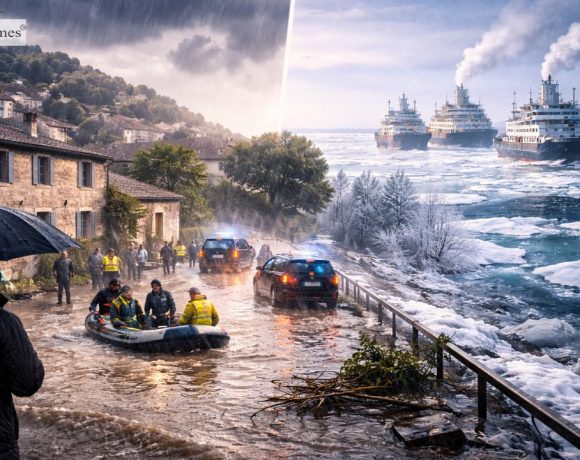
Weeks of persistent wet and cold weather have caused widespread disruption across Europe and north-west Africa. Storm Leonardo forced the evacuation of hundreds of thousands of people in Spain, Portugal, and Morocco, with emergency services and the military assisting residents. In Portugal, the government extended a state of emergency as heavy rain continues, while Storm Marta is expected to bring additional rain, strong winds, and mountain snow to the region.

Southern Europe has experienced record rainfall, with areas like Grazalema in Spain receiving 672mm in just 36 hours, nearly equal to London’s annual rainfall. Flooding has closed over 100 roads and disrupted high-speed rail services, while north-west Africa has seen severe rain and evacuations, especially in Morocco, where more than 140,000 people have been displaced due to overflowing rivers and full dams. Authorities continue to warn residents in flood-prone regions to leave immediately.

Meanwhile, Scandinavia and the Baltic have been gripped by extreme cold due to a persistent high-pressure system over the region. Lithuania recorded -34.3°C, while northern Sweden experienced its second coldest January on record. This high-pressure area has blocked milder Atlantic weather, leading to ongoing floods in southern Europe and freezing temperatures in the north. The pattern is expected to continue, with the possibility of cold air spreading further west, bringing frost, ice, and snow to other parts of Europe.

Pic courtesy: google/ images are subject to copyright

featured News Trending

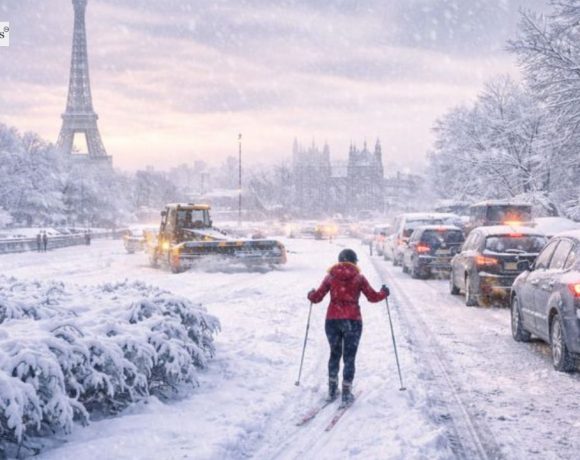
Western Europe prepared for another bout of severe winter weather on Wednesday as storm Goretti, the first named storm of the year, swept in from the Atlantic. Heavy snow fell across parts of France, including the Paris region, while cold weather and ice warnings covered large areas of France and Britain. Authorities warned that conditions were likely to worsen in the coming days, particularly in southern Britain.

The storm triggered widespread transport disruptions, with flight cancellations, train delays and blocked roads reported across several countries. Dutch airline KLM cancelled around 600 flights at Amsterdam’s Schiphol airport, marking a sixth consecutive day of disruption, citing heavy snowfall and shortages of aircraft de-icing fluid. In France, bus services in Paris were suspended, and aviation authorities ordered airlines to significantly cut flights at the main Paris airports.

Governments urged caution as conditions affected daily life and supply chains. French officials banned trucks and school buses from roads in many northern regions, while Dutch authorities advised people to work from home if possible. Retailers warned of potential supply disruptions, especially for fresh produce, as snowfall heavier than usual for the region continued to strain transport networks.

Pic courtesy: google/ images are subject to copyright

featured News Trending

Heavy snowfall across parts of Poland caused major traffic disruptions overnight, with tailbacks stretching up to 20 kilometres on the S7 motorway between Warsaw and the Baltic port city of Gdansk, police said on Wednesday. The severe weather left hundreds of motorists stranded in freezing conditions after trucks struggled to climb icy slopes, leading to a complete standstill on key sections of the route.

Police officials said the situation began late Tuesday afternoon and worsened through the night, but traffic started moving again by early Wednesday morning. Authorities confirmed that no injuries were reported despite the prolonged delays. Emergency services remained on the ground to manage traffic and ensure safety as snow-clearing operations continued.

Officers in affected areas, including Ostroda and Olsztyn, assisted stranded drivers by providing hot drinks and support. According to state news agency PAP, the heavy snowfall also caused disruptions to rail and air travel, though services at airports and on railways were gradually returning to normal as weather conditions improved.

Pic courtesy: google/ images are subject to copyright

News Trending

Dog lovers in Russia’s Far East are rallying to save hundreds of stray dogs facing euthanasia by local authorities. Ulan-Ude, a town in Eastern Siberia near the Mongolian border, has already culled 18 dogs, prompting urgent efforts to relocate 600 dogs to new homes or shelters within Russia. Volunteers are traveling by train to cities like Moscow, St Petersburg, Kazan, Khabarovsk, and Vladivostok to ensure these dogs escape the grim fate of being put down. The severe winter weather, with temperatures as low as -20°C, adds urgency to the rescue mission.

The decision to euthanize strays in Ulan-Ude reflects a broader issue in Russia’s republic of Buryatia. In 2020, a national law aimed to address the problem by implementing humane practices such as catching, sterilizing, vaccinating, and releasing stray dogs. However, concerns about potential attacks led to the rollback of the law in Buryatia, reviving the controversial practice of culling. The root cause, according to activists, lies in neglect, with dogs being abandoned or discarded by owners.

Local laws in Buryatia lack accountability for irresponsible pet ownership, contributing to an ongoing cycle of stray dogs. Activists argue that, despite the culling efforts, more dogs will continue to populate the streets due to this neglectful behavior. While hundreds of dogs have been saved, the financial burden of rescue efforts is significant, with each dog’s journey to safety costing approximately 5,000 roubles (£44; $55). Generous financial support and volunteers willing to cover the costs have played a crucial role in the success of the rescue mission.

Despite the successful relocation of many dogs, challenges persist, leaving some with uncertain fates. Animal welfare volunteer Stella Ovsoyan highlights the emotional toll of having to choose which dogs to send to safety, emphasizing the difficulty of the situation. However, the hope of providing a new and improved life for these dogs keeps volunteers committed to their mission, even in the face of adversity.

Picture Courtesy: Google/images are subject to copyright