
featured News

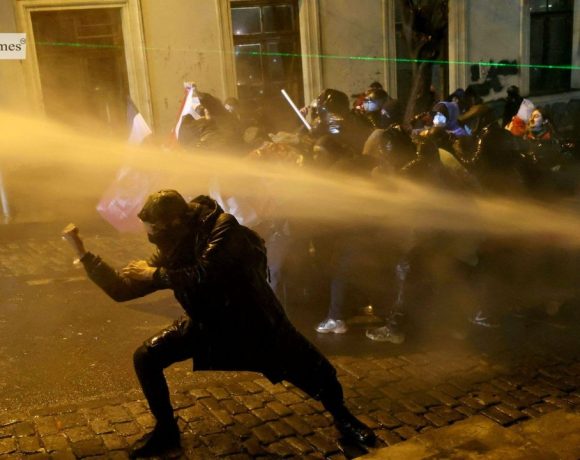
A BBC investigation suggests that Georgian authorities used a World War One–era chemical agent, known as camite, in water cannons during anti-government protests in late 2024. Demonstrators in Tbilisi reported severe burning sensations, difficulty breathing, coughing and vomiting—symptoms that persisted for weeks. Doctors, chemical weapons specialists, and whistleblowers from Georgia’s riot police provided evidence pointing toward the use of this long-discontinued compound, once deployed by France in WW1 and eventually abandoned due to its prolonged harmful effects.

Paediatrician and protester Dr Konstantine Chakhunashvili conducted a survey of nearly 350 affected demonstrators, finding that almost half experienced symptoms lasting more than 30 days. His study, soon to be published in Toxicology Reports, also noted abnormal heart electrical activity among many participants. These findings supported theories from journalists, civil rights groups and medical experts that the water cannon contained more than just irritants like pepper spray or CS gas.

Whistleblowers from Georgia’s Special Tasks Department revealed that the chemical used closely resembles one tested in 2009, which they described as extremely difficult to wash off and far more harmful than standard tear gas. Despite recommendations against its use, they say it continued to be loaded into water cannon vehicles for years. The Georgian government dismissed the BBC’s findings as “absurd,” insisting police acted lawfully against what they called “violent criminals.”

Pic Courtesy: google/ images are subject to copyright
News Trending

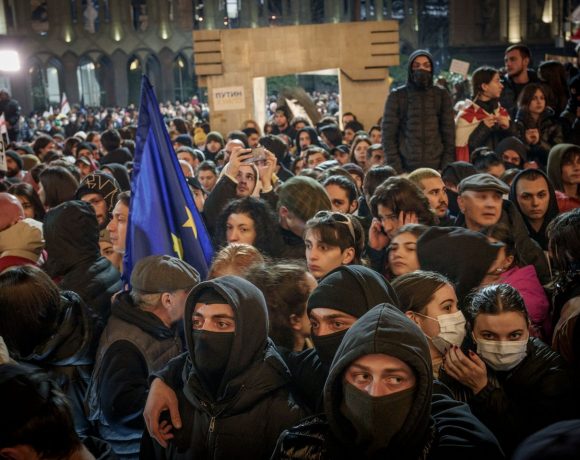
Riot police in Georgia deployed tear gas and water cannons to disperse demonstrators protesting against a proposed bill, which the opposition views as an attack on media freedoms. The clashes erupted outside the parliament building in Tbilisi, where protesters hurled eggs and bottles at the police. Despite the retreat of the crowds, confrontations persisted late into Tuesday evening along Rustaveli Avenue, resulting in several injuries and arrests.

The bill, known as the “foreign agent” legislation, received preliminary approval from lawmakers on April 17th. Introduced by the ruling Georgian Dream party, it mandates that non-governmental organizations (NGOs) and independent media outlets, receiving over 20% of their funding from foreign sources, register as entities “advancing the interests of a foreign power.” These organizations would be subject to oversight by Georgia’s justice ministry and could face penalties, including significant fines.

The passage of the bill’s initial reading sparked a wave of street demonstrations. Reports indicate that several protesters sustained injuries during Tuesday’s clashes in Tbilisi, including Levan Khabeishvili, chairman of the main opposition party, United National Movement, who was reportedly hospitalized after a severe beating.

Eyewitnesses also observed instances of police officers physically assaulting protesters, according to Reuters news agency. A number of demonstrators were reportedly taken into custody. However, Georgian authorities have not publicly addressed these allegations of injuries or police misconduct.

Critics of the bill argue for its repeal, contending that it mirrors authoritarian legislation used by Russia to suppress dissent. They fear it could stifle critical voices ahead of this year’s parliamentary elections and impede Georgia’s progress toward EU membership. European leaders and the United States have warned that adopting the foreign agents law would undermine Georgia’s European aspirations.

Despite international concerns, Prime Minister Irakli Kobakhidze’s government remains steadfast in its support of the bill. Kobakhidze has accused NGOs of attempting to foment revolutions in Georgia and of promoting “gay propaganda.” He maintains that the legislation aims to enhance transparency and denies allegations that it contradicts European values or serves Russian interests.

In response to the protests, Georgian Dream organized its own rally, where party founder Bidzina Ivanishvili criticized Western interference. The situation underscores the deepening divide within Georgia over the bill and its implications for democracy and international relations.

Picture Courtesy: Google/images are subject to copyright