featured News Trending

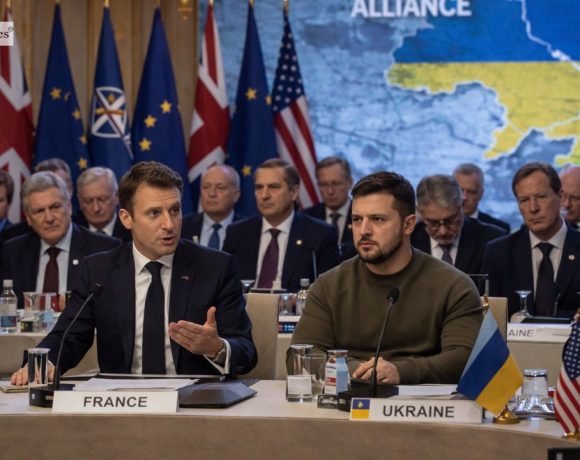
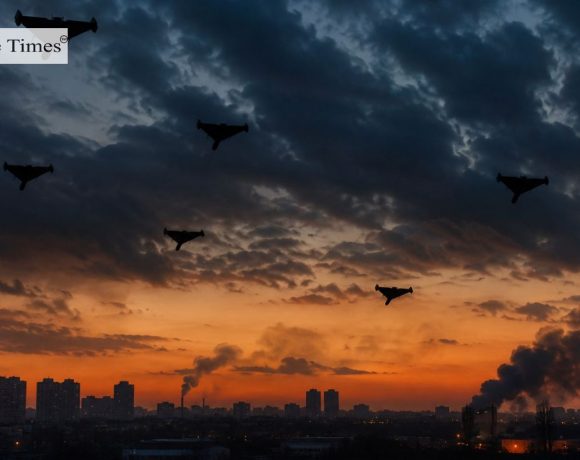
Ukrainian President Volodymyr Zelensky has sent military and intelligence teams to Qatar, the United Arab Emirates, and Saudi Arabia to assist in defending against Iranian drones, following U.S. and Israeli air attacks. Zelensky highlighted Ukraine’s extensive experience in countering attack drones, built over four years of defending against Russian strikes, and emphasized the importance of sharing this expertise to protect Gulf countries, Europe, and American allies.

Ukraine is offering both its interceptor drones and technical know-how, using mass-produced, cost-effective systems to neutralize incoming threats more efficiently than traditional expensive missiles. The initiative also involves key officials, including Rustem Umerov, secretary of Ukraine’s National Security and Defence Council, to finalize agreements with Gulf nations. Zelensky stressed that this cooperation comes with expectations that partners continue supporting Ukraine’s own air defense, including providing advanced systems like Patriot missiles.

The deployment of Ukrainian drone teams also serves diplomatic and strategic goals, strengthening ties with Gulf allies while generating potential revenue from drone sales. Zelensky expressed pride that multiple countries are now seeking Ukraine’s help, marking a reversal in roles where Kyiv’s expertise is now highly valued internationally, even as domestic needs for air defense remain urgent amid the ongoing conflict with Russia.

Pic courtesy: google/ images are subject to copyright

featured News Trending

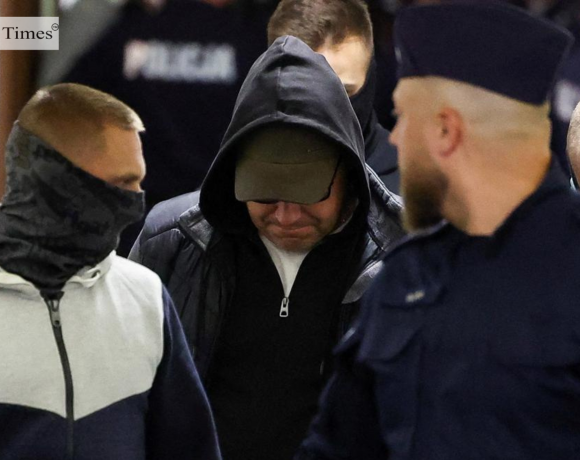
Ukrainian President Volodymyr Zelensky has cautioned that escalating conflict in the Middle East could undermine Ukraine’s ability to secure vital air defence systems as it battles Russia’s invasion. He warned that allies, particularly the United States, might divert critical weapons such as Patriot missile systems to protect their own interests or support partners in the Gulf. Zelensky also expressed concern that global attention could shift away from Ukraine, risking reduced political and military backing at a crucial stage of the war.

Kyiv fears that soaring demand for interceptor missiles in the Gulf could create shortages and drive up costs worldwide, complicating Ukraine’s efforts to defend its skies from Russia’s nightly drone and missile strikes. Zelensky recalled that during previous tensions involving Iran, deliveries of air defence systems to Ukraine slowed. At the same time, he acknowledged a potential upside: strikes on Iranian military facilities could limit Tehran’s capacity to supply drones and missiles to Russia, although Moscow now produces modified Shahed drones domestically.

Analysts suggest Russia could benefit from rising global oil prices triggered by instability in the Gulf, potentially strengthening its war finances. Some argue President Vladimir Putin is carefully avoiding deeper involvement in the Middle East to maintain relations with Washington and gain leverage in negotiations over Ukraine. In Kyiv, however, concerns are mounting that prolonged conflict elsewhere may deepen war fatigue among allies, adding to a sense of uncertainty and strain as Ukraine enters another year of full-scale war.

Pic courtesy: google/ images are subject to copyright
featured News Trending

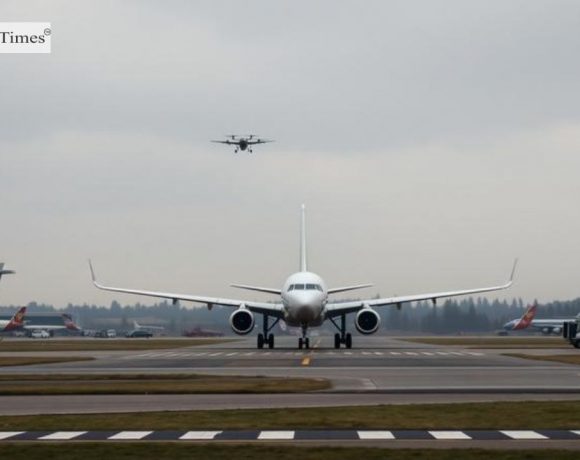
A 23-year-old police officer, identified as Viktoria Shpylka, was killed and 25 others were injured after two homemade explosive devices detonated in the western Ukrainian city of Lviv. According to the National Police of Ukraine, the explosives were hidden in waste bins and exploded shortly after officers responded to a reported overnight break-in at a shop in the city centre. Several officers were among the injured, with some reported to be in serious condition.

Ukrainian authorities described the incident as a terrorist attack and quickly detained a 33-year-old suspect from the Rivne region. President Volodymyr Zelensky confirmed the arrest and said investigators believe the suspect acted on instructions from Russian special services. Officials are continuing efforts to identify possible accomplices, while prosecutors have opened a terrorism investigation into the deadly attack.

The bombing comes amid ongoing conflict between Ukraine and Russia, as the country faces intensified missile and drone strikes ahead of the fourth anniversary of Russia’s full-scale invasion ordered by Vladimir Putin. Ukrainian officials reported dozens of aerial attacks targeting infrastructure and residential areas, highlighting continued security threats as Russia maintains control over parts of Ukrainian territory, including the annexed region of Crimea.

Pic courtesy: google/ images are subject to copyright
featured News Trending

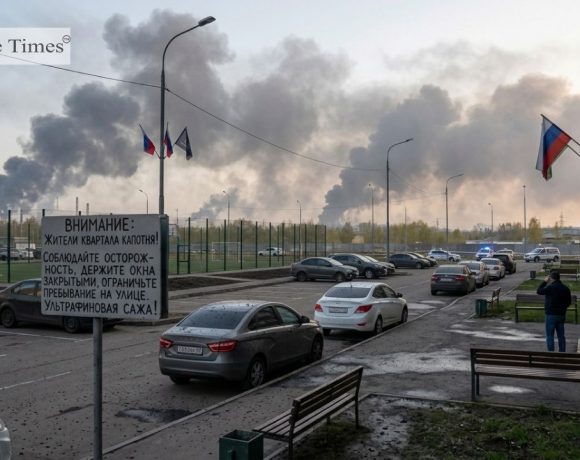
U.S. Secretary of State Marco Rubio has described a “defining moment” in global affairs as he arrived in Europe to lead the American delegation at the Munich Security Conference. His visit comes amid heightened transatlantic tensions following President Donald Trump’s renewed remarks about annexing Greenland. Rubio said the world was entering a “new era in geopolitics” that would require allies to reassess their roles and priorities within the evolving international order.

European leaders have responded with a mix of caution and resolve. Emmanuel Macron has urged Europe to prepare for greater strategic independence from the U.S., while NATO Secretary General Mark Rutte stressed that transatlantic ties remain vital. Danish Prime Minister Mette Frederiksen said she would meet Rubio to address U.S. comments regarding Greenland, as concerns grow over Washington’s long-term commitment to NATO and European security.

The conference agenda includes the war in Ukraine, tensions with China and prospects for a renewed U.S.-Iran nuclear deal. Ukraine’s President Volodymyr Zelensky said the gathering could yield “new steps” for shared European security. Meanwhile, German and British leaders, including Chancellor Friedrich Merz and Prime Minister Sir Keir Starmer, are expected to hold key discussions on defence spending and alliance cohesion, as policymakers navigate shifting geopolitical dynamics.

Pic courtesy: google/ images are subject to copyright
featured News Trending

French President Emmanuel Macron is hosting Ukrainian President Volodymyr Zelensky and leaders from more than 30 allied nations in Paris as efforts intensify to secure long-term security guarantees for Kyiv in the event of a ceasefire with Russia. The meeting includes members of the so-called “Coalition of the Willing,” as well as US mediators Steve Witkoff and Jared Kushner, amid claims from Zelensky that a US-backed peace plan is largely agreed.

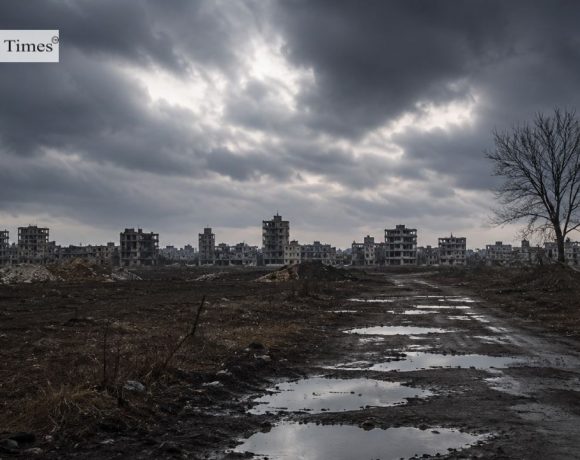
While around 90% of the proposed framework is said to be settled, the remaining disagreements centre on territorial concessions Ukraine is being asked to consider. Russia currently controls most of the Donetsk and Luhansk regions in eastern Ukraine and has shown little willingness to compromise, while continuing intensified attacks on Ukraine’s energy infrastructure during winter. Ukraine, meanwhile, has stepped up drone strikes inside Russia, including on energy facilities.

Talks in Paris are focused on defining post-war security arrangements, including the possibility of a multinational reassurance force, long-term military and economic support for Ukraine, and guarantees in case of renewed Russian aggression. European allies are also seeking a clear US commitment to act if Russia breaches a future peace deal, though broader geopolitical tensions involving recent US actions abroad and disputes over Greenland risk overshadowing the discussions.

Pic courtesy: google/ images are subject to copyright
featured News

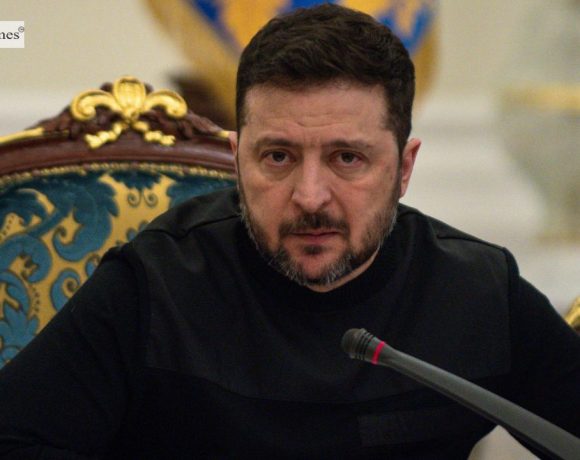
A Polish court has rejected Germany’s request to extradite a Ukrainian suspect linked to the 2022 Nord Stream gas pipeline blasts, a ruling that aligns with the stance of Poland’s government. The suspect, identified as Volodymyr Z., is wanted by German prosecutors for allegedly helping plant explosives on the undersea pipelines that once transported Russian gas to Europe.

Prime Minister Donald Tusk had earlier stated that while the decision rested with the courts, extraditing Volodymyr Z. was not in Poland’s national interest. He remarked that the issue was not the destruction of the pipelines but their construction, which he said had made Europe overly dependent on Russian energy. The Nord Stream explosions in September 2022 severely disrupted gas supplies from Russia, intensifying the energy crisis amid the ongoing war in Ukraine.

According to German investigators, Volodymyr Z. and others allegedly rented a yacht and placed explosives near Denmark’s Bornholm island. He faces charges of conspiring to commit an explosives attack and engaging in “anti-constitutional sabotage.” His Polish lawyer has denied all accusations, questioning whether the case — involving the destruction of Russian property by a Ukrainian during wartime — should even constitute a criminal offense.

Pic Courtesy: google/ images are subject to copyright
featured News

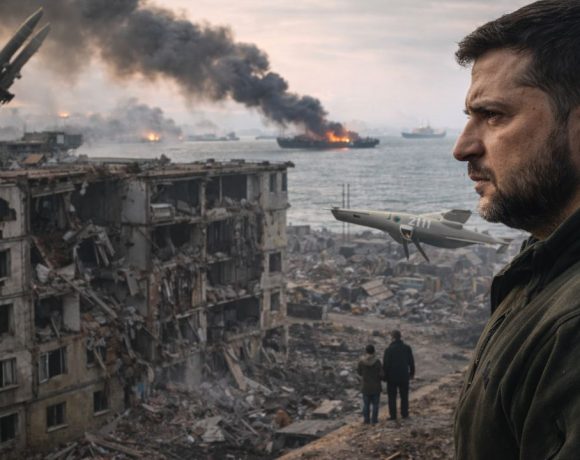
European Union leaders are set to endorse bold measures to boost defence spending and reaffirm support for Ukraine during a high-stakes summit in Brussels on Thursday. The meeting, attended by Ukrainian President Volodymyr Zelenskiy, comes amid growing concerns over the U.S.’s shifting stance on military aid under Donald Trump. French President Emmanuel Macron has stressed the need for Europe to prepare for its own security, even suggesting that France’s nuclear arsenal could be extended to protect EU allies. Meanwhile, Germany is moving to loosen borrowing limits to fund additional defence spending, and the European Commission has proposed mobilizing up to €800 billion for European defence.

Despite widespread European support for Ukraine, internal divisions remain, with Hungary’s Prime Minister Viktor Orban threatening to veto a statement backing Kyiv. EU foreign policy chief Kaja Kallas has proposed a military aid pledge of at least €20 billion for Ukraine in 2025, but disagreements persist over contributions, with Nordic and Baltic nations urging larger commitments from France, Italy, and Spain. Paris, Rome, and Madrid reject claims they are not doing enough, arguing that public figures do not fully reflect their military contributions.

The summit highlights the deepening geopolitical rift as Europe seeks to bolster its security in the face of a potentially reduced U.S. role. Trump’s mixed signals on NATO and Ukraine have fueled concerns about European defence autonomy, prompting urgent discussions on coordinated military efforts. While most EU nations are eager to reassure Ukraine of continued support, Orban’s opposition underscores lingering fractures within the bloc. European leaders are now working to finalize concrete defence measures and financial commitments to safeguard the continent’s security.

Pic Courtesy: google/ images are subject to copyright
featured News

Ukrainian President Volodymyr Zelenskyy met with business leaders in New York to seek investments in Ukraine’s energy sector, as the country braces for potential power outages during the winter months. The meeting included representatives from energy, finance, and insurance sectors, as well as USAID chief Samantha Power and U.S. Deputy Secretary of State Richard Verma. Zelenskyy proposed special incentives, emphasizing that securing energy stability is key to Ukraine’s victory strategy.

Since Russia’s full-scale invasion in February 2022, Ukrainian cities have been repeatedly targeted by Russian airstrikes, particularly on critical energy infrastructure. The United Nations and Ukraine have condemned the strikes as violations of international humanitarian law, and the International Criminal Court has issued arrest warrants for Russian officials responsible for attacks on civilian power facilities. Moscow, however, claims that energy infrastructure is a legitimate military target.

As Ukraine prepares for the harsh winter, forecasts suggest that power outages could last up to 18 hours a day. European leaders, including European Commission President Ursula von der Leyen, have pledged financial assistance, with the EU offering a €35 billion loan to help Ukraine restore its energy grid and improve heating capacity ahead of the cold months.

Pic Courtesy: google/ images are subject to copyright

featured News Trending

Poland’s Foreign Minister Radoslaw Sikorski has revealed that Warsaw is actively considering a proposal from Kyiv to intercept Russian missiles over Ukrainian airspace before they reach Polish territory. This initiative emerged from a joint defense agreement signed during President Volodymyr Zelensky’s recent visit to Warsaw. The aim is to address concerns about Russian missiles inadvertently breaching Polish airspace while targeting Ukrainian locations near the Polish border.

Sikorski emphasized that the proposal is currently in the exploration phase. It seeks to mitigate risks posed by missile debris falling into Polish territory, which could endanger citizens and property. The Foreign Minister noted the brief window of time Poland has to react when missiles traverse western Ukraine towards its borders. He stressed the need for consultation with NATO allies, particularly highlighting the importance of U.S. support in any decision to implement such intercepts.

Defense analysts have cautioned that without strong allied backing, the proposal could expose Poland to potential Russian retaliation. The effectiveness and safety of such intercept operations remain critical considerations amidst ongoing tensions and military maneuvers in the region.

Picture Courtesy: Google/images are subject to copyright

featured News Trending

NATO members have pledged support for an “irreversible path” to future membership for Ukraine and more aid. Although a formal timeline for Ukraine’s NATO membership wasn’t agreed upon at the Washington DC summit, the 32 members expressed “unwavering” support for Ukraine’s war effort. NATO announced further integration with Ukraine’s military and committed €40 billion in aid over the next year, including F-16 fighter jets and air defense support. Secretary-General Jens Stoltenberg emphasized that supporting Ukraine is in NATO’s own security interest.

US Secretary of State Antony Blinken confirmed the transfer of US-built F-16 jets to Ukraine from Denmark and the Netherlands, expected to be operational this summer. NATO members also agreed to establish a new unit to coordinate military aid and training for the Ukrainian army, aiming to deepen ties with Ukraine. The joint statement highlighted Ukraine’s “concrete progress” on necessary reforms but stated that a formal membership invitation would be extended only when certain conditions are met.

The summit’s declaration identified Russia as the most significant threat to security and criticized China for supporting Russia’s war against Ukraine. Beijing responded angrily, accusing NATO of fabricating disinformation and provoking confrontation. China also urged NATO to stay out of the Asia-Pacific region, accusing the alliance of undermining regional peace and stability by strengthening military ties with China’s neighbors.

Ukrainian President Volodymyr Zelensky attended the summit, meeting with world leaders, including UK Prime Minister Sir Keir Starmer and US politicians, to secure continued support for Ukraine. NATO leaders aimed to present a united front on Ukraine, despite recent Russian gains on the battlefield and the absence of a clear timeline for Ukraine’s NATO membership. The summit, marking NATO’s 75th anniversary, occurred amid political challenges for US President Joe Biden and concerns over potential impacts of US domestic politics on the alliance. Biden reaffirmed support for Ukraine and called for increased defense investment from NATO members.

Picture Courtesy: Google/images are subject to copyright