featured News Trending

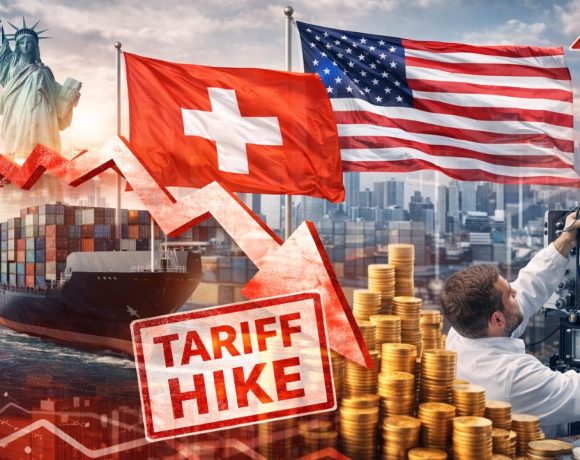
Switzerland’s leading industry body Swissmem has criticised the latest tariff move by Donald Trump, saying it adds to global uncertainty and dampens investment activity. Over the weekend, Trump raised a temporary U.S. import tariff to 15% from 10%, a decision Swissmem said is exacerbating market chaos and creating fresh challenges for exporters.

Switzerland had already faced some of the highest U.S. tariffs in Europe after Washington imposed a 39% duty on Swiss exports last August. In November, Switzerland secured a preliminary agreement reducing levies to 15%, in line with the European Union. Talks are ongoing to formalise that arrangement by the end of March, and Swissmem has urged the government to continue negotiations to ensure legal certainty for businesses.

Although the new 15% tariff may not be stacked on top of the previously agreed rate, Swissmem noted that when combined with a pre-existing 5% duty on industrial goods, Swiss exports could effectively face tariffs of around 20%. The group warned that this would significantly raise prices for American customers, though it acknowledged that similar tariffs on foreign competitors may offer limited relief. Switzerland, for its part, abolished its own industrial tariffs in 2024.

Pic courtesy: google/ images are subject to copyright
featured News Trending

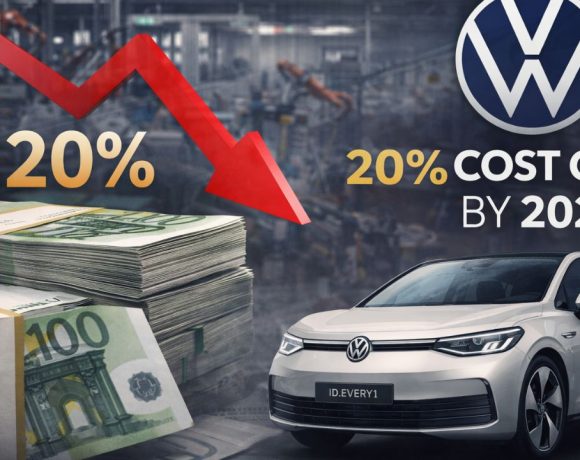
Volkswagen AG plans to cut costs by 20% across all its brands by the end of 2028, according to a report by Manager Magazin. The move comes as Europe’s largest carmaker grapples with rising production expenses, stiff competition in China, and the impact of U.S. tariffs. CEO Oliver Blume and CFO Arno Antlitz reportedly presented a sweeping savings strategy to top executives at a closed-door meeting in Berlin last month.

A company spokesperson said Volkswagen has already achieved double-digit billion-euro savings through a group-wide efficiency programme launched three years ago. However, details on where further cuts will be made remain unclear, with potential plant closures reportedly discussed. The company’s works council chief, Daniela Cavallo, pointed to a 2024 agreement that ruled out plant closures and operational layoffs, stressing that competitiveness measures would be implemented with socially responsible safeguards.

Volkswagen is also in the process of cutting 35,000 jobs in Germany by 2030, while its core brand aims to streamline management and consolidate production platforms to save around 1 billion euros. German carmakers, including Mercedes-Benz Group AG, face mounting pressure from price wars in China and the costly transition to electric vehicles, even as they pledge long-term commitments to efficiency and low-emission mobility.

Pic courtesy: google/ images are subject to copyright
featured News Trending

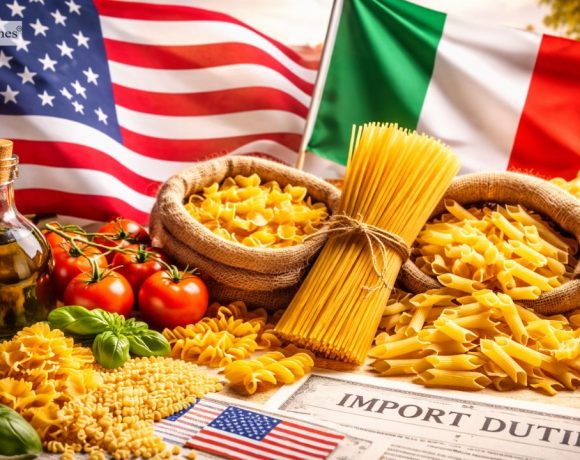
The US government has sharply reduced proposed tariffs on Italian pasta, easing pressure on producers that had faced the prospect of levies as high as 92%. Following a review by the US Department of Commerce, the duties have been cut to a range of between 2% and 14%, offering relief to major brands such as Barilla, La Molisana and Pastificio Lucio Garofalo, which were accused of selling pasta at unfairly low prices.

The revised tariffs will apply in addition to a separate 15% duty imposed on most EU goods imported into the US, although a final decision on the pasta levies has not yet been made. The Department of Commerce said its preliminary analysis showed Italian producers had addressed many of its concerns, with final results and definitive tariff levels due to be announced on March 12.

Italy exports an estimated $770 million worth of pasta to the US each year, with the 13 targeted companies accounting for around 16% of those shipments. Italy’s government and industry groups welcomed the move, warning earlier that steep tariffs would severely damage the sector, while the European Commission said it stood ready to intervene if needed.

Pic courtesy: google/ images are subject to copyright