
featured News Trending

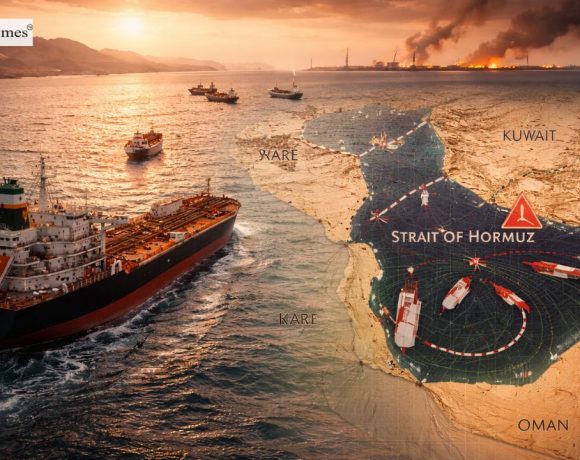
Oil tanker movements slowed sharply near the Strait of Hormuz as vessels began steering clear of the key shipping route ahead of a planned U.S. blockade targeting Iranian ports. Shipping data showed two Iranian-linked tankers exiting the Gulf just before the restrictions were due to take effect, while others hesitated or altered course amid rising uncertainty.

The U.S. move follows the collapse of talks with Iran, with Washington set to enforce the blockade on ships entering or leaving Iranian ports, though it said transit through the strait itself would remain open. Despite this assurance, the announcement has unsettled global shipping markets, disrupting normal oil trade flows that typically supply countries such as China and India.

Several vessels have already changed plans, including a Malta-flagged supertanker that turned back near the strait, while others entered cautiously or remained in holding patterns. The developments highlight growing risks to one of the world’s most critical energy chokepoints, even as a fragile ceasefire remains under strain.

Pic courtesy: google/ images are subject to copyright
featured News Trending

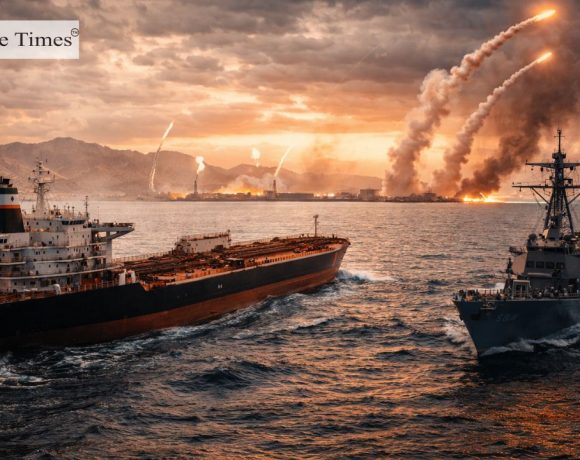
Tensions escalated sharply as Iran warned it would retaliate against Gulf ports following the U.S. military’s decision to impose a naval blockade on vessels linked to Iranian ports. The move comes after talks failed to secure a lasting ceasefire in the ongoing conflict, raising fears of renewed escalation. Tehran called the blockade illegal and warned that if its ports were targeted, no port in the Gulf region would remain safe.

The blockade, enforced across Iranian ports along the Arabian Gulf and Gulf of Oman, has already disrupted global oil flows. Iran has restricted passage through the Strait of Hormuz, allowing only controlled transit, while the U.S. has vowed to block ships paying Iranian tolls. Two Iranian-linked tankers departed just before the blockade began, underscoring the urgency among traders and operators.

Global markets reacted swiftly, with oil prices surging above $100 a barrel amid fears of prolonged supply disruption. With the fragile ceasefire at risk and negotiations stalled, both sides remain entrenched, raising concerns of further economic fallout and instability in global energy markets.

Pic courtesy: google/ images are subject to copyright