featured News Trending

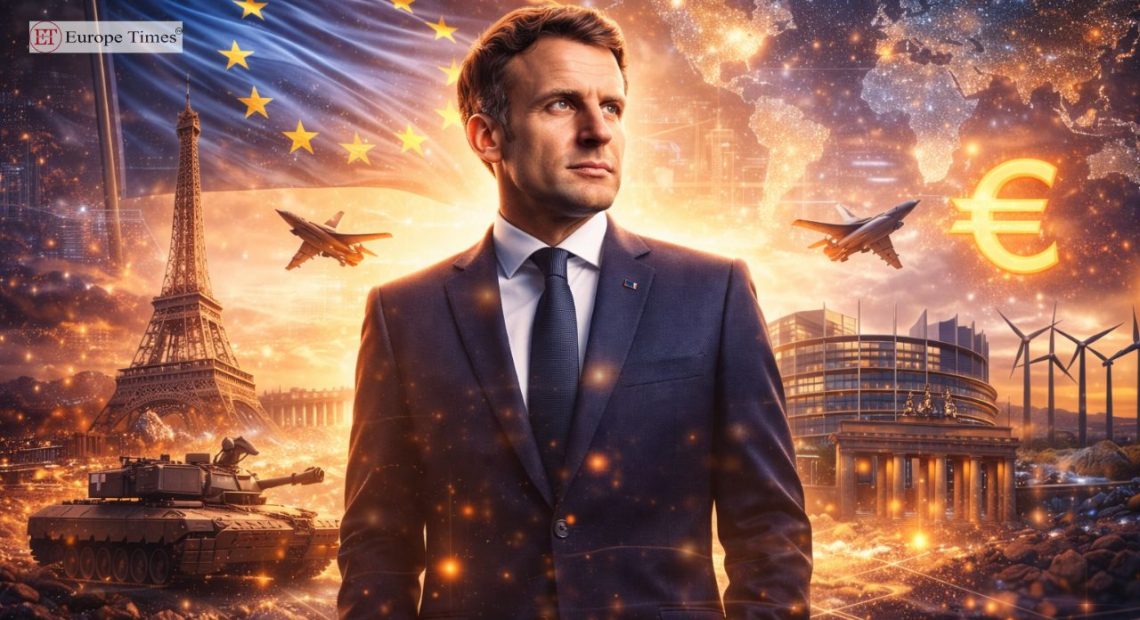
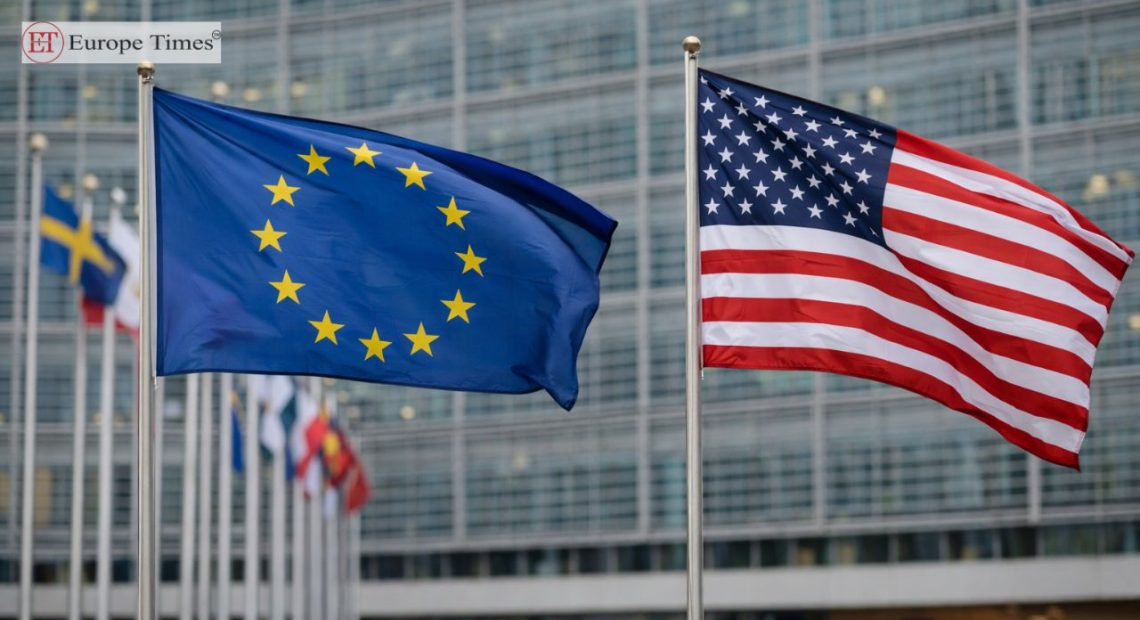
French President Emmanuel Macron has called on Europe to step up as a global power, warning that the continent faces a “wake-up call” amid rising challenges from China, Russia, and the United States. Speaking to European media ahead of an EU summit in Brussels, Macron emphasized the need for the EU to strengthen its economy, defense, and democratic systems, arguing that Europe must act cohesively to secure its strategic interests.

Macron proposed EU-wide mutualized loans, or “eurobonds for the future,” to fund industrial and technological investment. He highlighted the growing global demand for such shared European debt, while urging member states to protect key industries like security, clean energy, and artificial intelligence without resorting to protectionism.

The French leader stressed Europe’s vulnerability in a changing world order, citing climate change, dwindling U.S. security guarantees, and China’s rising influence. Macron urged the 27-member EU to embrace its collective strength of 450 million people, insisting that becoming a global power is the natural continuation of the European project to maintain peace and build a robust market.

Pic courtesy: google/ images are subject to copyright

featured News Trending

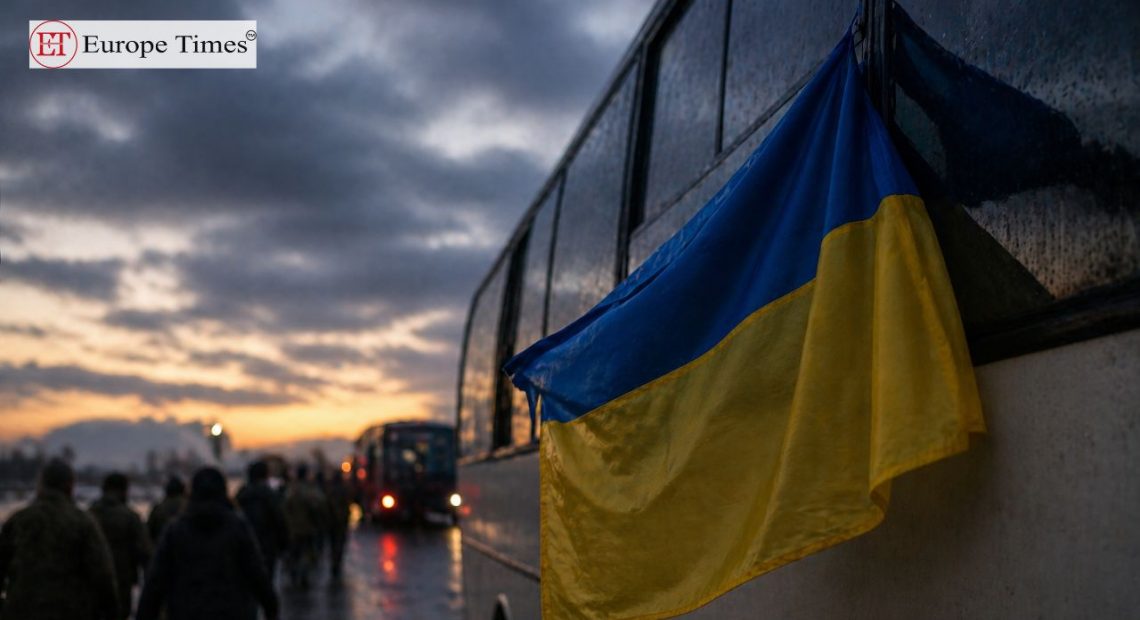
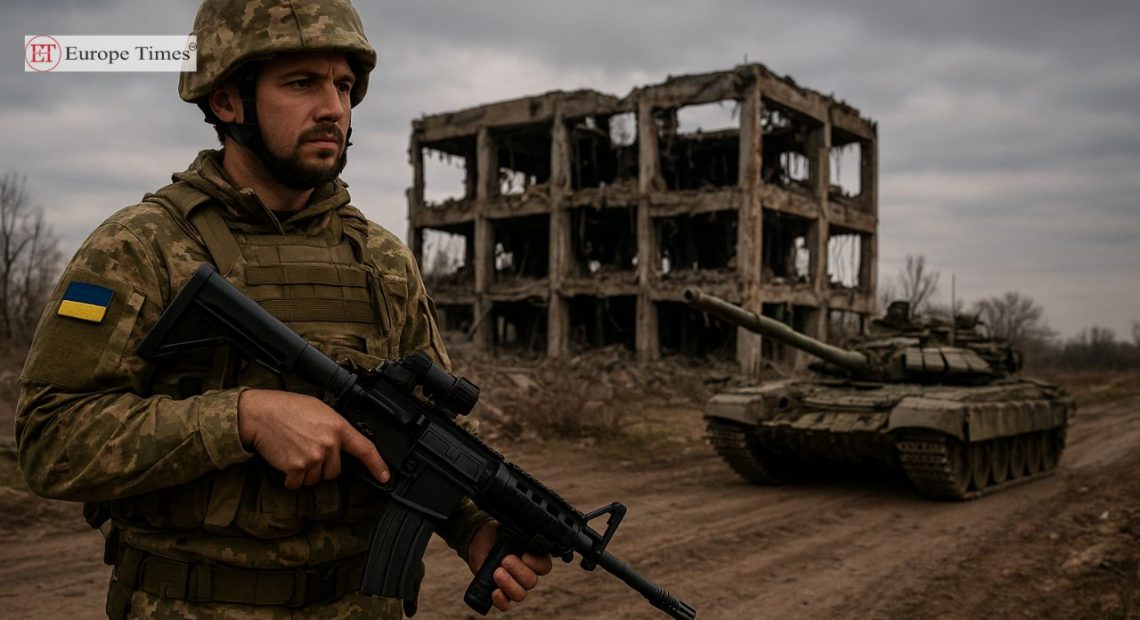
Ukrainian President Volodymyr Zelensky announced that the US aims to end the war with Russia by June, inviting both sides to hold talks in the United States next week, likely in Miami. Zelensky confirmed Ukraine’s participation but noted that difficult issues, including territorial concessions, remain unresolved. For the first time, leaders may be involved in trilateral discussions, though preparatory steps are required before this can happen.

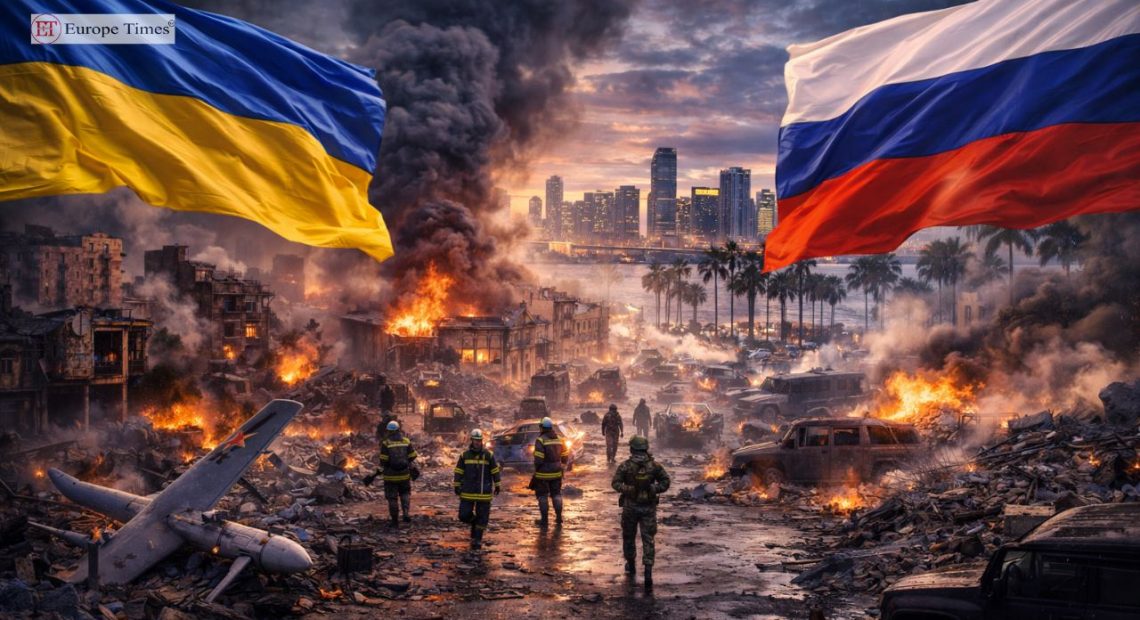
Meanwhile, Russia continues to target Ukraine’s energy infrastructure, causing widespread blackouts amid freezing temperatures. More than 400 drones and 40 missiles struck power plants, substations, and transmission lines, affecting regions such as Lviv, Ivano-Frankivsk, and Rivne. Thousands of Ukrainians remain without electricity, forcing many to take shelter in metro stations. Ukraine has also retaliated with strikes on Russian military and industrial facilities in Tver and Saratov regions.

Since Russia’s full-scale invasion nearly four years ago, more than 55,000 Ukrainian soldiers have been killed, with nearly 160,000 Russian military casualties confirmed. Zelensky emphasized that Moscow should not be allowed to leverage the harsh winter to pressure Ukraine. Despite ongoing diplomacy, the conflict continues to inflict severe humanitarian and infrastructural damage.

Pic courtesy: google/ images are subject to copyright

featured News Trending

The European Union, along with France and Germany, strongly condemned U.S. visa bans on five European citizens, including former EU commissioner Thierry Breton, who have been involved in combating online hate and disinformation. Washington accused them of censoring free speech and imposing undue restrictions on U.S. tech companies, a move that European officials described as unjustified and an infringement on Europe’s legislative autonomy. French President Emmanuel Macron emphasized the importance of protecting Europe’s independence and the freedom of its citizens.

Breton, who helped design the EU’s Digital Services Act (DSA), faced particular scrutiny from the Trump administration. The DSA requires tech companies to tackle illegal content such as hate speech and child sexual abuse material, but the U.S. argued it unfairly targets American platforms and citizens. Previous disputes, including fines against Elon Musk’s X platform, have heightened tensions between Brussels and Washington over internet regulation and freedom of expression.

The visa bans also affected activists from the U.K. and Germany, with both countries expressing support and solidarity. German authorities called the bans unacceptable, noting that digital rules are determined in Europe, not Washington. British and international organizations described the U.S. actions as authoritarian and an attack on free speech, while the EU signaled it may respond decisively to what it views as a coercive measure undermining democratic norms.

Pic courtesy: google/ images are subject to copyright

featured News

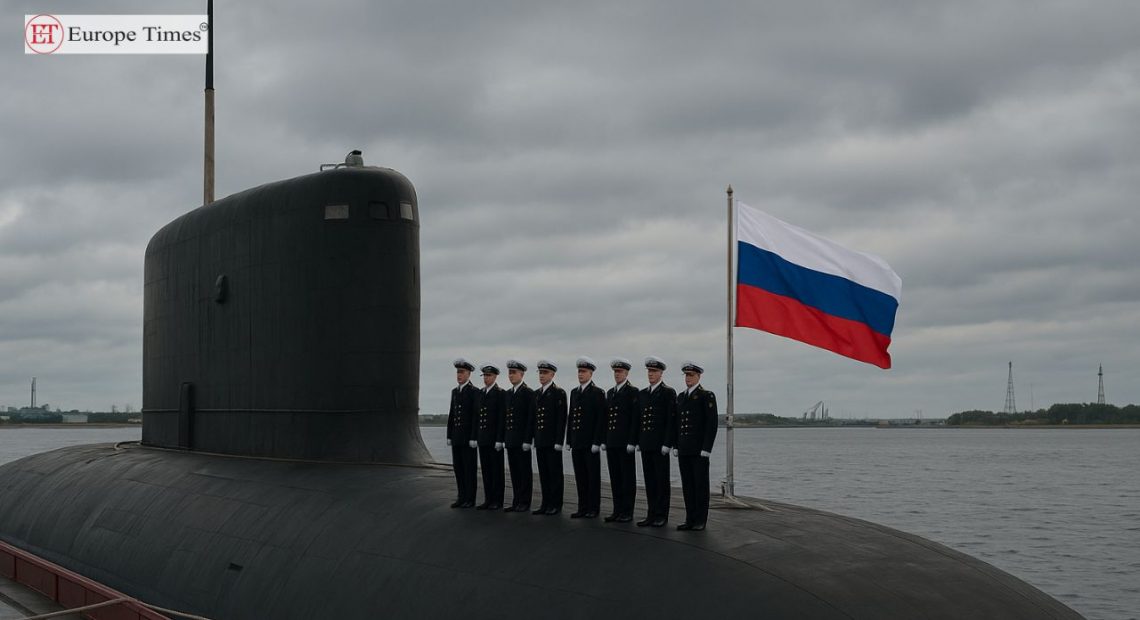
Russia said on Wednesday that it is still waiting for a formal response from the United States regarding President Vladimir Putin’s proposal to maintain the limits of the New START nuclear arms control treaty, which is set to expire on February 5. The treaty caps the number of strategic nuclear warheads and delivery systems, including land- and submarine-based missiles and bombers, for both countries. Putin had offered in September to voluntarily uphold the treaty limits for one year, a move that former U.S. President Trump described as “a good idea.”

Sergei Shoigu, head of Russia’s powerful Security Council, emphasized that fewer than 100 days remain before New START expires. He called Moscow’s proposal an opportunity to stop the “destructive movement” currently threatening nuclear arms control and urged Washington to respond soon. The treaty has historically aimed to enhance transparency and reduce the risk of miscalculation between the world’s largest nuclear powers.

With Russia and the U.S. together holding over 10,000 nuclear warheads, the vast majority of the global stockpile, arms control agreements have come under strain amid geopolitical tensions, NATO expansion, and Moscow’s war in Ukraine. Experts suggest maintaining New START could provide both nations more time to address China’s growing nuclear arsenal while preventing new Russian deployments, helping to preserve some measure of strategic stability.

Pic courtesy: google/ images are subject to copyright

featured News

Ukraine is set to present a revised peace proposal to the United States, aiming to avoid territorial concessions to Russia. President Volodymyr Zelensky reiterated that ceding land is not an option, citing Ukrainian law, the constitution, and international law. His comments came during meetings with European and NATO leaders, amid ongoing diplomatic efforts to secure a peace deal without compromising Ukraine’s sovereignty.

The revised plan follows intensive weekend talks between US and Ukrainian negotiators that failed to yield an agreement acceptable to Kyiv. Zelensky emphasized that sensitive issues like control of the Donbas region and the Zaporizhzhia nuclear power plant remain non-negotiable. The original US-backed draft, which proposed handing over full control of Donbas to Russia and splitting energy from Zaporizhzhia, has been trimmed from 28 to 20 points, with no compromise on territorial matters.

Meanwhile, fighting continues along the front line, including a drone attack on Sumy that cut power but caused no casualties. Zelensky’s European tour included meetings with leaders in London and Brussels to secure support and potential security guarantees for Ukraine. Talks with Moscow reportedly remain ongoing, though little progress has been publicly acknowledged, and the US seeks a resolution ahead of the 2024 presidential elections.

Pic courtesy: google/ images are subject to copyright

featured News

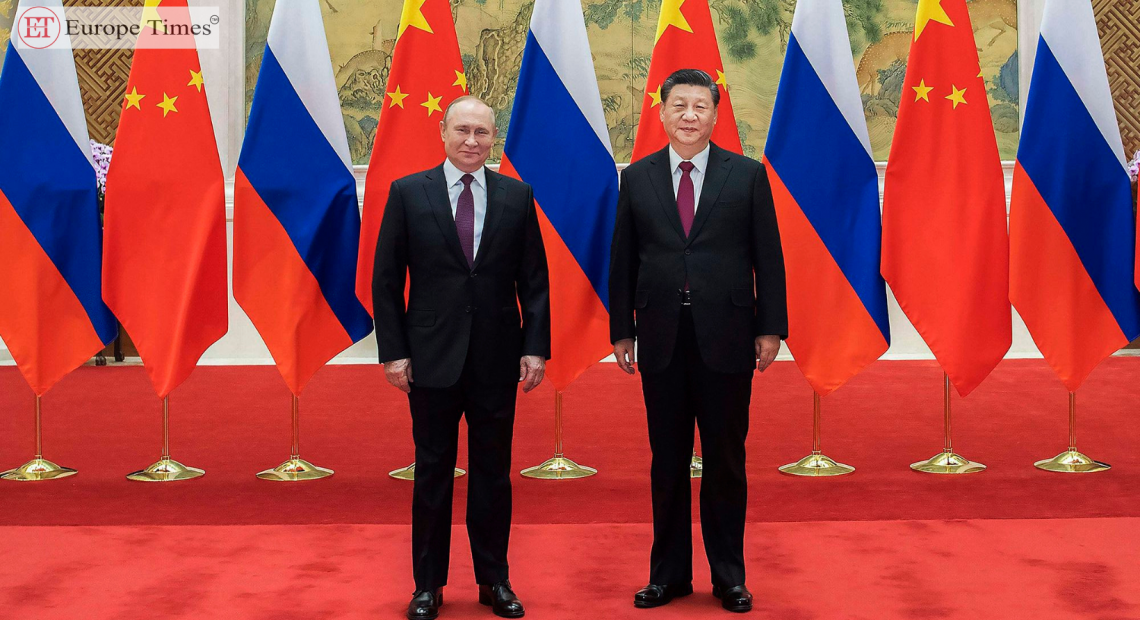
At a United Nations Security Council session on Ukraine, the United States directly called on China to cease enabling Russia’s military operations through the export of dual-use goods. Acting U.S. Ambassador to the U.N., Dorothy Shea, stated that Chinese-manufactured components are consistently found in Russian drones, weapons, and vehicles deployed against Ukraine, despite Beijing’s claims of strict export controls.

Responding to the accusations, China’s Deputy U.N. Ambassador Geng Shuang firmly denied any involvement in the conflict, emphasizing that China has neither supplied lethal weapons nor violated international controls on dual-use materials. Geng accused the U.S. of attempting to deflect responsibility and urged Washington to contribute more constructively to peace efforts rather than fueling confrontation.

The exchange followed a Reuters report revealing that Chinese-made drone engines are being secretly routed to Russia under the guise of “industrial refrigeration units,” allegedly in violation of Western sanctions. Shea asserted that if China genuinely supports peace, it must stop aiding Russia’s aggression, highlighting growing tensions between Washington and Beijing over the Ukraine war.

Pic Courtesy: google/ images are subject to copyright

News Trending

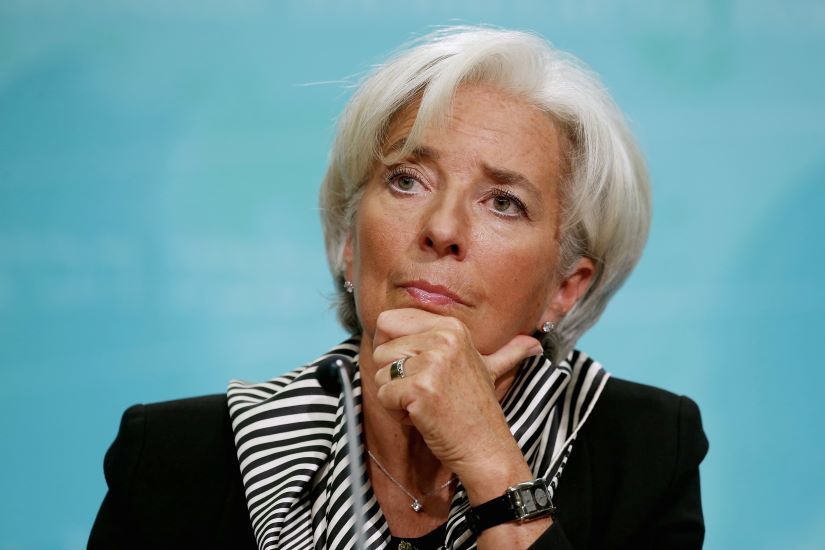
The G7 finance ministers are set to discuss whether Ukraine can receive an additional €30 billion loan from seized Russian assets totaling €270 billion. This proposal has sparked division within the G7, particularly between the US and Germany. While some advocate for full asset seizure, others, including Christine Lagarde, ECB president, raise legal and economic concerns.

The US and UK propose mobilizing the frozen assets to provide a substantial loan to Ukraine, with interest paid from the profits of the seized Russian assets. They argue this approach avoids the need for asset confiscation, which could disrupt the international legal order and financial stability.

Belgium, holding the largest share of Russia’s frozen assets within the G7, has already generated significant investment income from these assets. It has agreed to allocate a portion of this profit to a joint G7 fund for Ukraine.

Critics argue that using the assets as collateral for a loan effectively amounts to confiscation. However, some legal scholars suggest that under the doctrine of state countermeasures, seizure may be justified.

Overall, there is contention over whether to provide Ukraine with a substantial loan using the seized assets, with concerns about legal implications and potential repercussions for financial stability and international relations.

Picture Courtesy: Google/images are subject to copyright

News Trending

UK Foreign Secretary Lord Cameron, during his visit to Kyiv, reiterated the UK’s commitment to supporting Ukraine with £3 billion annually for defense purposes. He emphasized Ukraine’s sovereign right to defend itself and acknowledged the necessity of striking back at Russia in response to aggression. However, this stance was met with criticism from Russia, which condemned it as a dangerous escalation that could jeopardize European security. Despite this, Lord Cameron maintained the UK’s position in supporting Ukraine’s defensive actions.

The United States reportedly advised Ukraine against targeting Russian oil refineries out of concern that such actions could provoke further escalation in the conflict. This caution reflects broader international efforts to mitigate tensions and prevent the situation from deteriorating into a full-scale war. The delicate balance of power in the region underscores the importance of diplomatic dialogue and strategic restraint in managing the crisis.

Meanwhile, Russian advancements in eastern Ukraine have heightened fears of an impending summer offensive. Ukrainian intelligence officials warn of potential Russian offensives in the northeastern regions of Kharkiv and Sumy. The Ukrainian military remains vigilant, anticipating further incursions and preparing to defend key strategic positions. Despite these challenges, Ukraine maintains its determination to resist Russian aggression and safeguard its territorial integrity.

In response to Lord Cameron’s statements, Russian officials criticized what they perceive as Western involvement in a “hybrid war” against Moscow. This rhetoric underscores the deep-seated geopolitical tensions between Russia and the West, which continue to shape the dynamics of the conflict in Ukraine. As diplomatic exchanges intensify and military maneuvers unfold, the situation remains fluid, with the risk of escalation ever-present.

Amidst the ongoing conflict, Ukrainian Prime Minister Denis Shmyhal has sought assistance from Lord Cameron to help restore the country’s energy infrastructure, which has been severely damaged by repeated Russian missile strikes. This plea underscores the urgent humanitarian needs of the Ukrainian people and the importance of international support in rebuilding the country’s infrastructure and ensuring its long-term stability.

Picture Courtesy: Google/images are subject to copyright

News Trending

Hungary’s ambition in electric vehicle (EV) battery manufacturing has surged, with plans to become a significant player globally. Despite ranking third behind China and the US, Hungary aims to surpass the US soon, as articulated by Foreign Minister Peter Szijjarto during his visit to Beijing. This push aligns with Hungary’s broader strategy of strengthening economic ties with Eastern nations, particularly China and South Korea.

The influx of Chinese investment is evident, with numerous factories, including those of CATL and BYD, dotting the Hungarian landscape. However, this rapid industrial expansion has sparked environmental concerns and local opposition, particularly regarding water scarcity and potential health hazards. Critics worry that Hungary risks becoming overly reliant on foreign companies, potentially leading to stagnant domestic research and development.

The Hungarian government acknowledges these challenges, emphasizing the importance of not just attracting production but also integrating research efforts. Balazs Orban, from the Prime Minister’s Office, highlights the need to merge foreign investors’ research with Hungarian companies to ensure long-term economic sustainability. Despite the economic benefits of foreign investment, concerns persist regarding labor exploitation and Hungary’s evolving role in the global supply chain.

As Hungary’s industrial landscape transforms, balancing economic growth with environmental sustainability and domestic innovation remains a pressing concern. The government faces the delicate task of harnessing foreign investment while safeguarding Hungary’s long-term interests and preserving its environmental and social fabric.

Picture Courtesy: Google/images are subject to copyright

News Trending

The European Union has expanded sanctions on Iranian drone and missile producers in response to Iran’s recent attack on Israel. European Council President Charles Michel stressed the significance of further isolating Iran, highlighting the need for decisive action.

These new sanctions build upon existing measures implemented by the EU, including penalties for Iran’s involvement in supplying drones to Russia. The decision to escalate sanctions was reached during a summit in Brussels, marking the first gathering of the bloc’s leaders since the attack on Israel.

In the wake of Iran’s assault, which involved a barrage of over 300 missiles and drones from multiple countries, the international community has urged restraint to prevent the situation from spiraling into a wider conflict. Despite calls for caution, Israel has not ruled out a potential response to the aggression.

German Chancellor Olaf Scholz emphasized the importance of de-escalation following the summit, encouraging Israel to leverage diplomatic channels to strengthen its position in the region. Scholz’s remarks reflect a broader sentiment among global leaders to mitigate tensions in the volatile Middle East.

Meanwhile, Israel has appealed to its allies to take robust action against Iran, advocating for sanctions on Tehran’s missile program and the designation of the Islamic Revolutionary Guard Corps (IRGC) as a terrorist organization. However, the EU and UK have not yet followed the United States in designating the IRGC as such.

In addition to EU sanctions, the United States is also considering imposing new penalties on Iran. US Treasury Secretary Janet Yellen highlighted the potential for disrupting Iran’s terrorist financing and targeting its oil exports as areas of focus. Furthermore, US National Security Advisor Jake Sullivan affirmed that Iran’s missile and drone programs, alongside the IRGC and Iranian defense ministry, would be subject to forthcoming sanctions.

Picture Courtesy: Google/images are subject to copyright