
featured News Trending

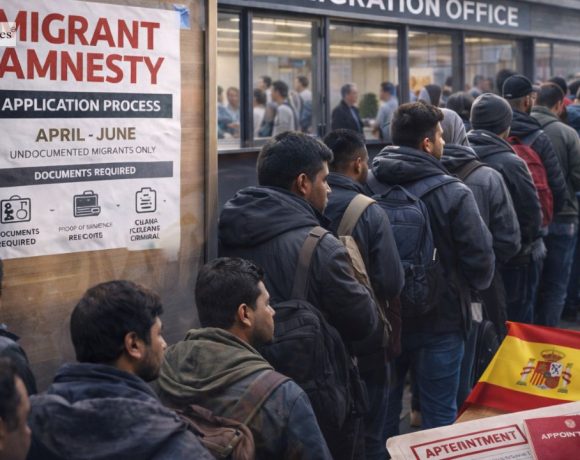
Spain’s upcoming migrant regularisation drive, aimed at granting legal status to around half a million undocumented migrants, has already strained immigration offices and sparked anxiety among applicants. The government announced the programme last month, but a lack of detailed guidance, funding, and staffing has left both migrants and frontline workers uncertain about the process and timeline. Union leaders warn that without additional resources, the initiative could face significant delays or fail at launch.

The Spanish government plans to run the programme from April to June, allowing migrants with clean criminal records and at least five months of residence or prior asylum applications to qualify. However, essential details on required documentation and procedures remain unclear. As a result, migrants have been queuing at immigration offices for information and, in some cases, paying intermediaries illegally to secure appointments, reflecting widespread fear and confusion.

Experts note that Spain’s inclusive migration policies have fueled economic growth but chronic administrative backlogs leave hundreds of thousands working off the books. Union officials and NGOs emphasize the need for additional staff, technological support, and extended office hours to handle the surge in applications, while the government explores involving non-governmental organisations and trade unions to manage the expected influx efficiently.

Pic courtesy: google/ images are subject to copyright
featured News

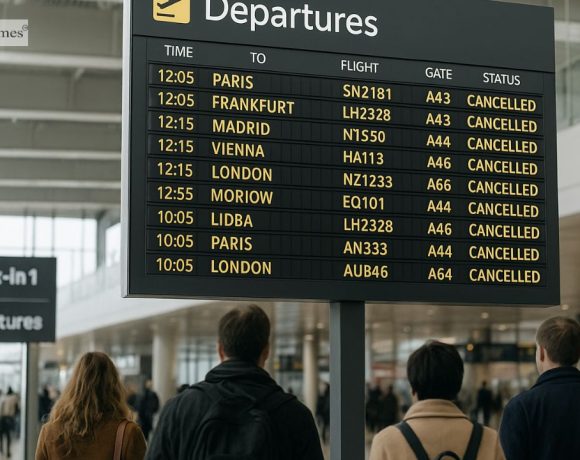
Belgium witnessed major nationwide disruption on Wednesday as the third and final day of a national strike brought much of the country to a standstill. The protest, driven by the country’s main labour unions, targeted Prime Minister Bart De Wever’s coalition government over proposed pension changes and labour market reforms. Brussels Airport cancelled all departing flights and more than half of its scheduled arrivals, while Charleroi Airport also warned of severe operational delays due to staff shortages.

The strike extended far beyond aviation, affecting schools, public transport, and several private-sector operations, making it the most disruptive day of the three-day action. Unions argue that the government’s reform plans will force Belgians to “work longer and harder” with less security regarding pensions, healthcare, and purchasing power. They also criticised the government for not involving unions in budget-related negotiations.

A large protest was planned in Brussels on Wednesday afternoon, following an October demonstration that drew around 80,000 people. Despite the government finalising next year’s budget earlier this week — which includes new taxes on banks, airline tickets, and natural gas — the agreements failed to prevent the strike. Belgium’s deficit is projected to reach 4.5% of GDP this year, with debt levels significantly above EU limits, prompting the government’s push for spending cuts and new revenue measures.

Pic Courtesy: google/ images are subject to copyright