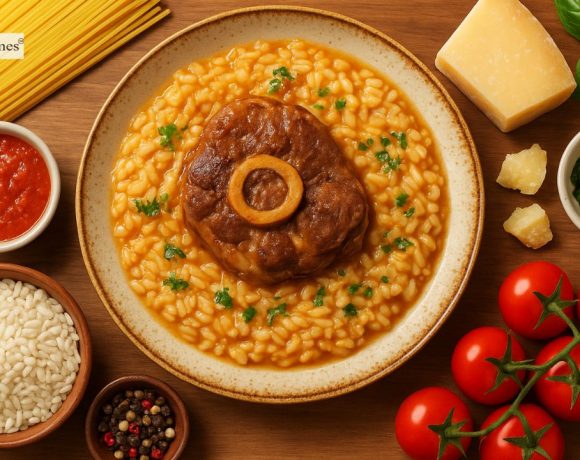
Italy’s iconic food culture, from pasta and pizza to regional dishes like risotto and orecchiette, is on the brink of global recognition as UNESCO’s “Intangible Cultural Heritage.” A UNESCO panel has recommended adding Italian cuisine to the prestigious list, with the final decision expected on Wednesday. The bid, launched in 2023 by Italy’s agriculture and culture ministries, highlights food as a social ritual that fosters community bonds, rather than merely a set of recipes.
Prime Minister Giorgia Meloni supports the move, calling Italian cuisine a symbol of national identity and strength. Industry experts say UNESCO recognition could boost Italy’s tourism by up to 8% within two years and reinforce its global culinary presence. Italian gastronomy not only connects 59 million residents but also up to 85 million people of Italian descent worldwide, despite the challenges posed by imitation products costing Italy billions each year.
However, critics argue the bid is more about marketing than cultural preservation. Food historian Alberto Grandi claims that many “traditional” Italian dishes are influenced by foreign cultures or are relatively modern inventions, sparking backlash from farmers’ groups defending the country’s culinary roots. For chefs and restaurateurs, however, a UNESCO nod would be a cherished tribute. As Michelin-starred chef Massimo Bottura puts it, “Italian cuisine is an ancient, daily, sacred ritual — the art of caring and loving without saying a word.”
Pic courtesy: google/ images are subject to copyright