featured News

Starting February 1, tourists who wish to step onto the stone steps surrounding Rome’s iconic Trevi Fountain will be required to pay a two-euro fee, Mayor Roberto Gualtieri announced on Friday. The new measure aims to manage tourist crowds more effectively while generating an estimated 6.5 million euros annually. Residents of Rome will continue to have free access, while the surrounding square offering views of the fountain will remain open to all.

The Trevi Fountain, completed in 1762, is a late Baroque masterpiece featuring Oceanus, the god of all water, and symbolises the moods of seas and rivers worldwide. Known for the tradition of tossing coins to ensure a return to Rome, the fountain has drawn millions of visitors each year, including world leaders. This year alone, it has already received nine million visitors, highlighting the challenge of overcrowding that the new fee aims to address.

The move is part of a broader trend in Italy to monetise cultural attractions. Alongside the Trevi Fountain, five lesser-known sites in Rome will begin charging five euros for entry starting February. Similar initiatives have been introduced in other Italian cities, including Venice, which charges peak-season entry fees, and Verona, where visitors must pay to access Juliet’s balcony, reflecting the growing effort to maintain and profit from the nation’s historic sites.

Pic courtesy: google/ images are subject to copyright

featured News

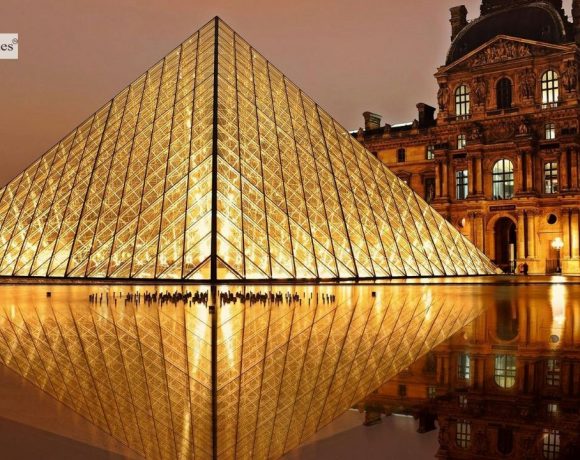
The Louvre Museum in Paris will raise ticket prices by 45% for most non-EU tourists starting 14 January, increasing the standard entry cost to €32. Visitors from countries such as the US, UK, and China will be affected, with guided group visitors paying €28. The measure aims to generate €15m–€20m annually to support major upgrades, including modernisation and improved visitor facilities.

The decision follows growing concerns over the museum’s outdated security and infrastructure, highlighted after a €102m jewellery heist in October that exposed serious vulnerabilities. An official audit revealed insufficient maintenance investment, despite the museum heavily prioritising art acquisitions in recent years.

With nearly 9 million visitors last year—many rushing to the Mona Lisa—crowding and long queues have long been a challenge. President Emmanuel Macron has backed plans to revamp the museum, move the Mona Lisa to a new space, and expand amenities such as restrooms and restaurants. Renovations will continue alongside closures of ageing sections, including a gallery of Greek ceramics flagged for structural issues.

Pic Courtesy: google/ images are subject to copyright