
featured News Trending

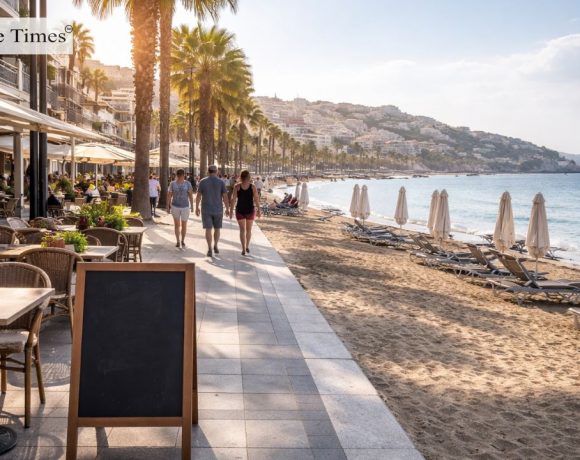
The ongoing Iran conflict has begun to impact tourism in Cyprus and Greece, with rising cancellations and a slowdown in new bookings ahead of the crucial summer season. The situation escalated after military strikes in late February and subsequent counterattacks, including a drone strike near a British base in Cyprus, triggering concerns among travellers and leading to a sharp drop in visitor interest.

In Cyprus, cancellations for short-term rentals surged dramatically, at one point reaching nearly 100% in the days following the escalation, before easing to around 45% by late March. The country’s hospitality sector has reported significant declines in bookings for March and April, prompting the central bank to cut its 2026 economic growth forecast. Airlines and travel operators have also noted reduced demand, with tourists shifting preferences to destinations like Spain.

Greece has also seen a slowdown, particularly in pre-bookings, although the impact has been less severe. Major carriers report declining demand from key markets such as Israel and Gulf countries, while tourism officials remain cautiously optimistic. Industry stakeholders warn that if the uncertainty continues into peak summer months, it could pose a serious risk to economies heavily reliant on seasonal tourism.

Pic courtesy: google/ images are subject to copyright
featured News Trending

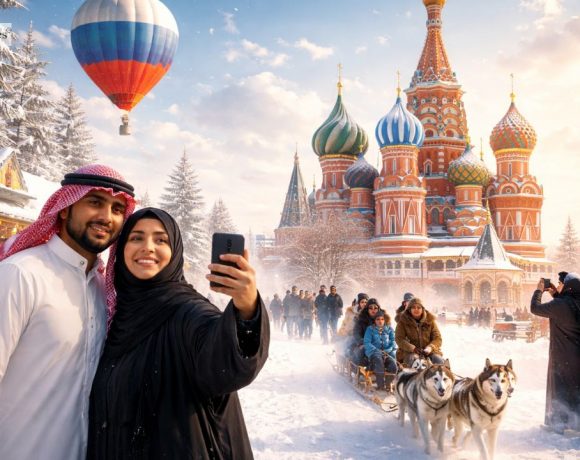
Russia is witnessing a sharp rise in visitors from Gulf nations as closer diplomatic and economic ties translate into a tourism boom. From husky sledding near Moscow to hot air balloon rides over snow-covered landscapes, tourists from Oman, the United Arab Emirates, Qatar and Saudi Arabia are embracing winter experiences unfamiliar in their desert homelands. Attractions around the capital have added Arabic signage and tailored services to cater to the growing influx.

The surge comes amid Moscow’s strategic pivot away from the West during its war in Ukraine, strengthening engagement with Gulf states that have played diplomatic roles in prisoner exchanges and humanitarian efforts. Increased direct flights, visa-free arrangements and warmer political ties have supported the growth. Saudi Arabia ranked second among foreign visitors last year with nearly 75,000 tourists — a 36% annual increase — while arrivals from the UAE exceeded 59,000. Tour operators say some markets, including Saudi Arabia, have expanded nearly fifteenfold compared with pre-pandemic levels.

Despite sanctions and logistical hurdles, including airport disruptions and cash payment limitations due to suspended Western card services, Gulf tourists are spending heavily on luxury hotels, shopping and premium experiences. Russia recorded 1.64 million foreign visitors in 2025, a modest increase from the previous year though still below pre-pandemic peaks. Industry leaders say demand from Arab countries continues to grow, even as security checks and geopolitical tensions present ongoing challenges.

Pic courtesy: google/ images are subject to copyright