featured

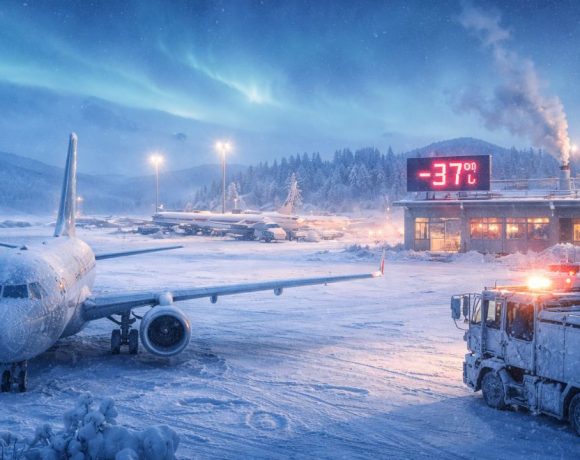
Thousands of tourists were left stranded in Finland’s Lapland after extreme cold forced the cancellation of flights at Kittila Airport, a major hub for winter travellers. Temperatures failed to rise above –35°C on Sunday, grounding flights bound for cities such as London, Manchester, Paris and Amsterdam. The situation is expected to continue as forecasts warn of lows reaching –39°C, leading to further cancellations.

The severe cold has made it difficult to de-ice aircraft and operate ground equipment such as refuelling and maintenance systems, which can freeze in such conditions. Finland’s airport operator Finavia said moisture in the air was worsening the problem by creating slippery frost on aircraft and runways. Although Lapland is known for harsh winters, its usual average temperature is around –14°C, making this cold snap unusually extreme.

The freezing weather has also made travel on the ground dangerous, with icy roads reported across the region. A bus carrying Ukrainian passengers slid into a ditch, though no serious injuries were reported. The cold spell is part of a wider winter storm affecting northern Europe, which has caused power cuts in France, travel disruption in several countries, and even a fatal accident in the UK.

Pic courtesy: google/ images are subject to copyright
featured News Trending

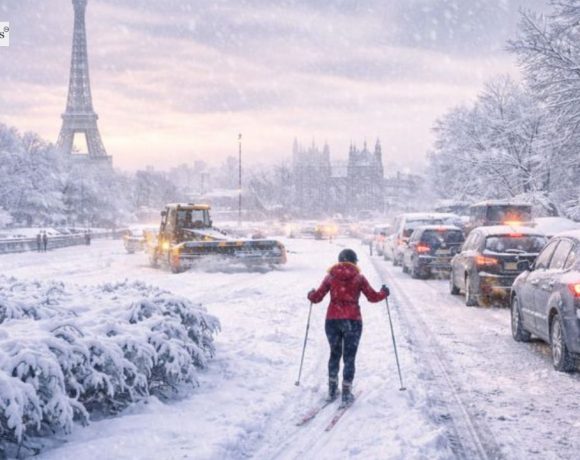
Western Europe prepared for another bout of severe winter weather on Wednesday as storm Goretti, the first named storm of the year, swept in from the Atlantic. Heavy snow fell across parts of France, including the Paris region, while cold weather and ice warnings covered large areas of France and Britain. Authorities warned that conditions were likely to worsen in the coming days, particularly in southern Britain.

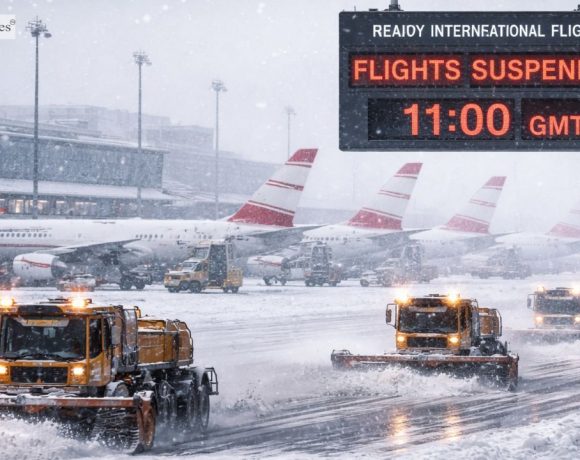
The storm triggered widespread transport disruptions, with flight cancellations, train delays and blocked roads reported across several countries. Dutch airline KLM cancelled around 600 flights at Amsterdam’s Schiphol airport, marking a sixth consecutive day of disruption, citing heavy snowfall and shortages of aircraft de-icing fluid. In France, bus services in Paris were suspended, and aviation authorities ordered airlines to significantly cut flights at the main Paris airports.

Governments urged caution as conditions affected daily life and supply chains. French officials banned trucks and school buses from roads in many northern regions, while Dutch authorities advised people to work from home if possible. Retailers warned of potential supply disruptions, especially for fresh produce, as snowfall heavier than usual for the region continued to strain transport networks.

Pic courtesy: google/ images are subject to copyright
News Trending

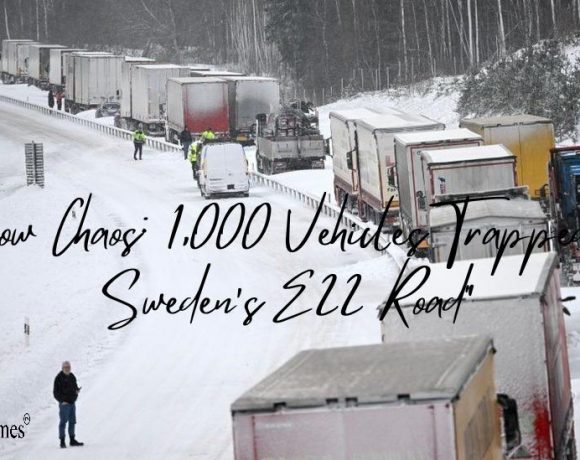
Over 1,000 individuals who found themselves trapped in heavy snow for more than 24 hours on the main E22 road in southern Sweden have been successfully evacuated, as announced by Swedish authorities. The rescue operation involved a coordinated effort of snow ploughs and emergency teams working through the night to free people stranded in their vehicles.

The travel chaos unfolded against the backdrop of plummeting winter temperatures across the Nordic countries, affecting Sweden, Finland, and Norway. In Denmark, snowstorms led to drivers being stranded on a motorway near Aarhus since Wednesday. The severity of the weather was exemplified by the Kvikkjokk-Arrenjarka weather station in northern Sweden, which recorded its coldest night in 25 years with temperatures plummeting to -43.6°C.

The disruption on the main E22 began around 09:00 local time on Wednesday when heavy snow made the road impassable in both directions between Horby and Kristianstad. Hundreds of cars came to a standstill in snowdrifts, leading to what police spokesperson Evelina Olsson described as “total chaos.”

Rescue efforts persisted throughout the night, with the army mobilized to deliver food and water to those stranded. While all individuals traveling by car were successfully evacuated, by Thursday morning, only lorry drivers remained in their vehicles.

Conditions were gradually improving on Thursday morning, with many cars cleared from the road. However, authorities cautioned that the road would not be fully cleared until 08:00 on Friday at the earliest. Meanwhile, buses and trains were canceled in the Skane region, and authorities urged people to avoid non-essential travel during this period of severe winter weather.

Picture Courtesy: Google/images are subject to copyright