featured News Trending

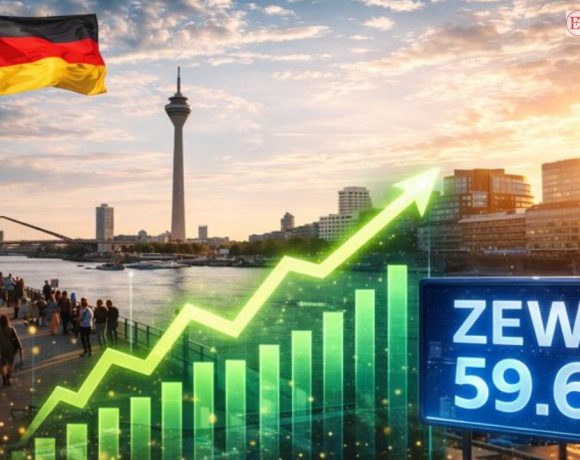
German investor confidence jumped sharply in January to its highest level since August 2021, according to the ZEW economic research institute, signalling rising optimism about Europe’s largest economy. The ZEW expectations index climbed to 59.6 points, far exceeding market forecasts of 50.0 and up from 45.8 in December, as investors grew more hopeful that 2026 could mark a turning point for Germany.

Economists attributed the improved sentiment partly to the government’s expansive fiscal package, which includes higher public spending on defence and infrastructure aimed at reversing the economic slowdown. While expectations improved, ZEW President Achim Wambach cautioned that reforms are still needed to enhance Germany’s attractiveness as a business location and ensure sustainable long-term growth.

Despite the upbeat mood, risks remain. Trade tensions, particularly concerns over potential U.S. tariffs on German and other European exports, could weigh on the outlook. The ZEW’s assessment of the current economic situation improved but stayed deeply negative, highlighting that while confidence is recovering, Germany’s economy is not yet out of the woods.

Pic courtesy: google/ images are subject to copyright
featured News

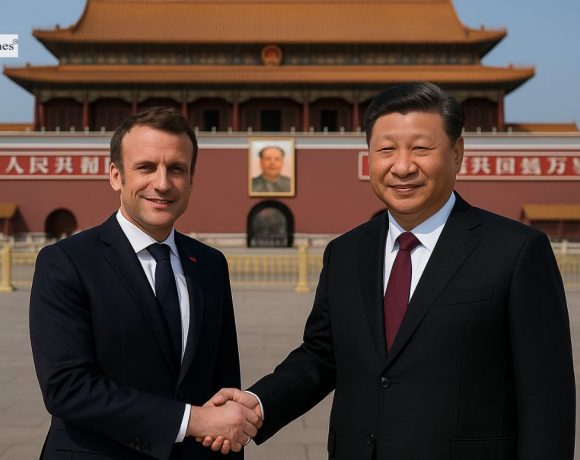
French President Emmanuel Macron will travel to China from December 3 to 5 as Europe attempts to navigate a complex balance between economic dependence and strategic rivalry with Beijing. His agenda includes meetings with President Xi Jinping in Beijing and Chengdu, where he is expected to push for fairer trade conditions, stronger market access, and more balanced technological cooperation. The visit comes as EU-China relations face growing strain, with Brussels warning that ties have reached a critical turning point.

Europe’s concerns centre on China’s surge of low-cost exports—especially steel—and its dominance in electric vehicles and rare earth processing, which pose risks to key European industries. As Washington’s tariffs reshape global trade, China is positioning itself as a business-friendly alternative, even as EU leaders remain wary of Beijing’s support for Russia and its heavily subsidised industrial model. Macron’s team says he will press for a rebalanced relationship that encourages Chinese domestic consumption and shared innovation benefits.

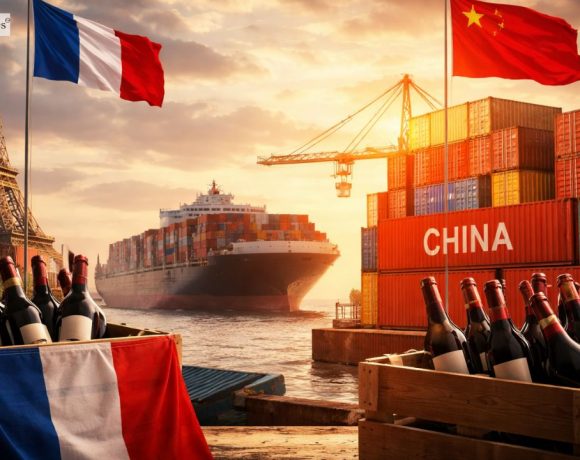
The European Union is preparing a tougher economic security strategy, considering more assertive trade measures against China. France has backed higher tariffs on Chinese EV imports, triggering a year-long Chinese investigation into French brandy in what many saw as retaliation. Despite Airbus expanding its presence in China, a major aircraft deal is not expected during Macron’s trip, reflecting Beijing’s strategic use of aviation purchases in its broader geopolitical negotiations.

Pic Courtesy: google/ images are subject to copyright